-
Shop
- Advanced Technologies
- Beauty
- Best-Sellers
- Car Accessories
- Dating & Social Skills
- Digital Resources
- AI & Technology
- AI Skills
- Car Buying & Ownership
- Cozy Feast Collection
- Electronics & Technology
- Emotional Intelligence
- Financial Education
- Hobbies
- Home Styling & Organization
- Kitchen & Recipes
- Mindfulness
- Mindset
- Online Business
- Parenting & Child Development
- Pet Lifestyle & Wellness
- Positive Thinking
- Productivity
- Self Confidence
- Sleep Improvement
- Smart Life with AI
- Stress Management & Relaxation
- Travel Planning
- Yoga & Fitness
- Yoga & Mind-Body Practices
- Education & Learning
- Family & Parenting
- Fashion
- Fashion Accessories
- Furniture
- Gadgets
- Health & Beauty
- Health & Wellness
- Home & Garden
- Home Supplies
- Kids & Babies
- Kitchen
- Kitchen Best-Sellers
- Lighting
- Patio, Lawn & Garden
- Personal Growth
- Personal Style & Fashion
- Pet Care
- Pet Supplies
- Pets
- Sport & Outdoors
- Super Deals
- TikTok Growth & Monetization Mastery
- Travel
- Wealth
- Wealth Building
- Budgeting & Saving
- Cryptocurrency Investing
- Debt Management
- Entrepreneurship & Business Growth
- Family Finance & Budgeting
- Financial Independence
- Financial Mindset & Psychology
- Financial Planning
- Frugal Living & Expense Hacks
- Goal Setting
- High-Income Skills
- Investing Basics
- Leadership
- Motivation
- Networking & Mentorship
- Passive Income Strategies
- Real Estate Investing
- Side Hustles
- Stock Market Investing
- Wellness
- Popular
- Best deals
Zipper-Neck Trench Coat for Dogs: Fit, Warmth & Care
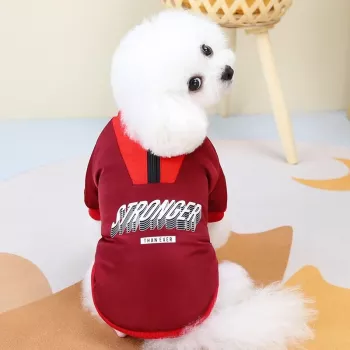
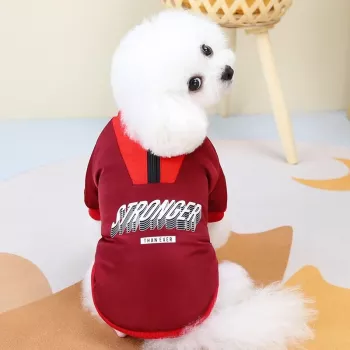
Zipper Neck Trench Coat for Dogs: Everyday Warmth with a Clean, Tailored Look
Cold walks and damp mornings call for a layer that’s easy to put on, comfortable to wear, and neat enough for everyday errands. Our team designed the Zipper Neck Trench Coat for Dogs for quick dressing and a polished trench-inspired style—so your dog stays cozy without the fuss. For more guidance, see The Best Dog Raincoats.
Why a zipper-neck coat earns a spot by the leash
When you’re heading out the door, the best dog coat is the one you’ll actually use. A zipper-neck design is a practical upgrade that can make daily walks smoother. For further reading, see VERY RARE‼️Burberry London Dogs Trench Coats LIKE ….
- Fast on/off: A zipper at the neck area helps simplify getting dressed, especially for dogs that dislike clothing pulled over the head.
- A more secure fit up top: A closeable neckline can help reduce drafts around the chest and throat during breezy walks.
- Less wardrobe wrestling: Fewer steps and less tugging can make coat time calmer for both pets and people.
- Street-ready style: Trench-coat styling looks tidy and intentional, turning a basic layer into an outfit.
What the trench-coat shape does well for dogs
A trench-inspired cut isn’t just about looks—done well, it supports comfort on everyday outings.
- Coverage where it counts: A coat that sits smoothly along the body helps reduce chill on short-haired dogs and seniors who cool down quickly.
- Comfort for movement: A good everyday coat should allow natural strides—aim for a fit that doesn’t bind at the shoulders.
- Better walk manners in wet weather: A top layer can help keep your dog’s coat cleaner on drizzly sidewalks and muddy paths, reducing cleanup back home.
- A neat silhouette: A structured look helps reduce bunching, which can help keep your dog focused instead of distracted by shifting fabric.
For general cold-weather safety reminders (like limiting exposure in very low temperatures), we also recommend reviewing guidance from the American Kennel Club and the ASPCA.
Sizing and fit: quick checks before heading out
Fit is what turns a coat from “cute” into “actually wearable.” A few quick checks help you avoid rubbing, restricted movement, and cold air sneaking in around the neckline.
- Measure the chest girth first: The chest is usually the deciding measurement for comfort and mobility.
- Check neck comfort: The zipper-neck area should close without pinching; leave room for natural head turns and easy breathing.
- Confirm back length: A good length covers the back without interfering with tail movement or bathroom breaks.
- Do a two-minute indoor trial: Let your dog walk, sit, and lie down. If there’s rubbing at the armpits or stiff movement, adjust or size up.
Quick fit checklist for a zipper-neck dog coat
| Fit point | What to look for | What to avoid |
|---|---|---|
| Neck closure | Zips smoothly, closes comfortably with a little breathing room | Pinching, hair snagging, or a tight closure that makes your dog back away |
| Chest and shoulders | Your dog can take full steps and turn easily | Restricted stride, rubbing at the armpits, or the coat riding up |
| Back length | Covers the back without crowding the tail | Too short (drafty) or too long (interferes with movement) |
| Calm wear test | Your dog can sit/lie naturally and stays relaxed | Constant pawing, biting at the coat, or stiff posture |
Care habits that keep a coat looking sharp
A trench-style coat looks best when it stays crisp—and the zipper works best when it stays clean.
- Brush off debris after walks: A quick shake-out or wipe-down keeps the coat looking neat between washes.
- Check the zipper track: Remove fur or grit so it slides cleanly and closes without tugging.
- Dry fully after wet outings: Hang to air-dry before storing to help prevent odors and keep the fabric feeling fresh.
- Store near the leash: Keeping it by the door makes it easier to use on sudden cold snaps.
When a coat is especially helpful
- Chilly mornings and windy evenings: The neckline closure can help reduce that first blast of cold air at the start of a walk.
- Short-haired dogs and smaller breeds: They often lose heat faster and may benefit from a daily layer when temperatures drop.
- Senior dogs: Older pets may appreciate extra warmth to stay comfortable on slower, longer strolls.
- After grooming: Freshly clipped coats can leave dogs more sensitive to cool air until regrowth.
Product picks from our team
If you’re refreshing your cool-weather routine, here are a couple of in-stock favorites we keep ready for everyday use:
- Zipper Neck Trench Coat for Dogs — A practical everyday layer built around quick dressing and a cleaner neckline closure, with a tidy trench-inspired finish.
- Versace Reversible Jacket with Iconic Barocco Pattern — A reversible outerwear option for you when the weather calls for a warmer layer and you want versatility.
FAQ
How do dogs act if a coat is too tight?
You may notice a restricted stride, rubbing at the armpits, reluctance to walk, frequent pawing or biting at the coat, or a stiff posture. Re-measure chest and neck, then size up if your dog can’t move freely and relax.
Is a zipper-neck coat better for dogs that dislike getting dressed?
Often, yes—zipping at the neckline can reduce the “over-the-head” moment that many dogs resist and shorten dressing time. Introduce it gradually with treats and short indoor sessions so your dog builds comfort.
How should a dog coat sit around the neck and chest?
The neck should feel close but comfortable, with breathing room and easy head turns—never pinching. The chest and shoulders should allow full movement without the coat riding up or pressing into the armpits.













Leave a comment