-
Shop
- Advanced Technologies
- Beauty
- Best-Sellers
- Car Accessories
- Dating & Social Skills
- Digital Resources
- AI & Technology
- AI Skills
- Car Buying & Ownership
- Cozy Feast Collection
- Electronics & Technology
- Emotional Intelligence
- Financial Education
- Hobbies
- Home Styling & Organization
- Kitchen & Recipes
- Mindfulness
- Mindset
- Online Business
- Parenting & Child Development
- Pet Lifestyle & Wellness
- Positive Thinking
- Productivity
- Self Confidence
- Sleep Improvement
- Smart Life with AI
- Stress Management & Relaxation
- Travel Planning
- Yoga & Fitness
- Yoga & Mind-Body Practices
- Education & Learning
- Family & Parenting
- Fashion
- Fashion Accessories
- Furniture
- Gadgets
- Health & Beauty
- Health & Wellness
- Home & Garden
- Home Supplies
- Kids & Babies
- Kitchen
- Kitchen Best-Sellers
- Lighting
- Patio, Lawn & Garden
- Personal Growth
- Personal Style & Fashion
- Pet Care
- Pet Supplies
- Pets
- Sport & Outdoors
- Super Deals
- TikTok Growth & Monetization Mastery
- Travel
- Wealth
- Wealth Building
- Budgeting & Saving
- Cryptocurrency Investing
- Debt Management
- Entrepreneurship & Business Growth
- Family Finance & Budgeting
- Financial Independence
- Financial Mindset & Psychology
- Financial Planning
- Frugal Living & Expense Hacks
- Goal Setting
- High-Income Skills
- Investing Basics
- Leadership
- Motivation
- Networking & Mentorship
- Passive Income Strategies
- Real Estate Investing
- Side Hustles
- Stock Market Investing
- Wellness
- Popular
- Best deals
Adopting a Senior Pet: Home Setup, Trust, Vet Tips
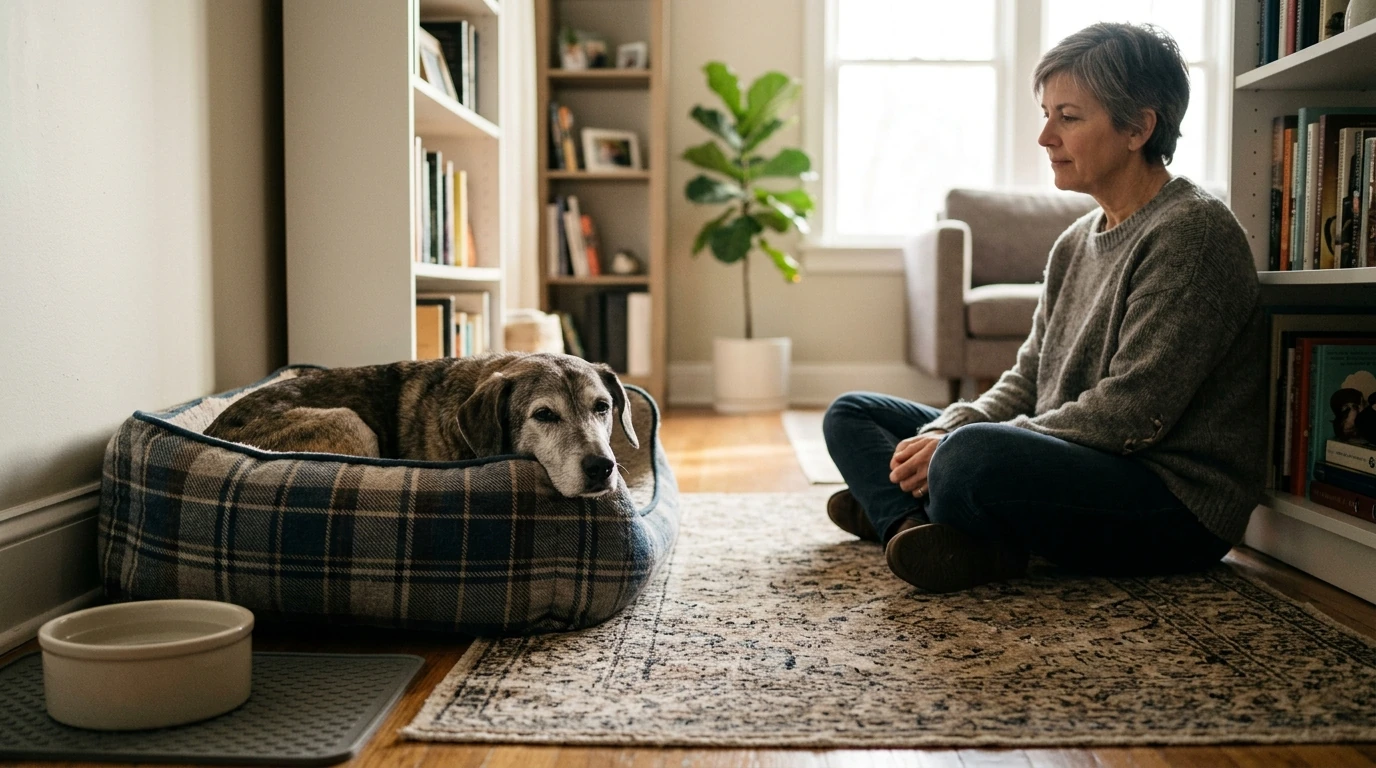
Essential Tips for Adopting Older Pets: A Practical Guide to Creating a Loving Forever Home
Older pets make exceptional companions—often calmer, already house-trained, and deeply grateful for stability. The key is setting them up for success from day one: choosing the right match, planning a gentle transition, scheduling smart vet care, and building trust at your pet’s pace. Our team put together the practical steps that help senior dogs and cats settle in, feel safe, and thrive in a true forever home.
Start with the right match: lifestyle, energy, and support needs
Before you fall in love with a sweet gray muzzle, ask the shelter or rescue for a clear snapshot of day-to-day life with that pet: energy level, comfort around strangers, noise sensitivity, and how they handle being alone. Matching routines first (not looks) is what keeps everyone relaxed once the “new home” excitement fades.
Clarify care needs up front so there are no surprises: long-term medications, special diets, mobility limitations, hearing/vision changes, dental history, and any recent lab work. Then zoom out to the “whole picture” cost—baseline vet visit, preventatives, grooming, ramps/steps, and ongoing meds—so your plan is realistic from day one.
If you already have pets at home, compatibility matters more with seniors because stress can hit harder. Ask about prior pet-to-pet interactions, feeding behavior (including resource guarding), and whether the older pet has lived with dogs/cats before.
Prepare the home: comfort, safety, and easy access
A senior-friendly home is less about buying a lot of stuff and more about removing friction. Start with a decompression zone: a quiet room or corner with a bed, water, and a few toys; add a litter box for cats. Keep it low-traffic and predictable so your new pet has a place where nothing “happens” unless they choose it.
Make movement easier with non-slip rugs on slick floors, night lights in dim areas, and ramps/steps for favorite spots if jumping is uncomfortable. Reduce early stress triggers by keeping volumes low, limiting guest introductions, and skipping the full-house tour.
Senior-Pet Home Setup Checklist
| Area | What to set up | Why it helps |
|---|---|---|
| Resting spot | Orthopedic or supportive bed in a quiet area | Improves sleep quality and reduces joint strain |
| Traction | Runners/rugs on slippery floors | Builds confidence and prevents slips |
| Access | Ramps/steps for furniture; block unsafe stairs | Reduces impact on hips, knees, and spine |
| Lighting | Soft night lights near water/litter areas | Helps pets with vision changes navigate safely |
| Feeding | Consistent location and schedule; slow feeder if needed | Supports digestion and reduces anxiety |
The first 72 hours: decompression beats instant bonding
The first three days are about stability, not “best friends” moments. Early wins look like eating, drinking, toileting, and resting. Affection may come later, and that’s normal—especially for older pets who’ve had changes in their lives.
Start with a predictable routine: same feeding times, the same potty/walk route, and a consistent bedtime environment. Introduce rooms gradually; calm exploration is more valuable than quick exposure. Limit handling and let your pet initiate contact—avoid hugging, leaning over them, or long petting sessions when they’re still unsure.
Gentle enrichment helps confidence without overwhelming: sniff-focused walks for dogs, food puzzles, and quiet play for cats. Keep sessions short, end before they’re tired, and allow plenty of breaks.
The first 30 days: build trust, habits, and confidence (at a senior pace)
Vet care and wellness: set the baseline early
Schedule a post-adoption veterinary visit promptly to establish a baseline and confirm vaccines, parasite prevention, and any chronic-condition management. Ask about senior screenings such as a dental exam, bloodwork, thyroid testing (often important for cats), a mobility/joint assessment, and weight/nutrition guidance. The AVMA’s senior pet care recommendations are a helpful reference point for what to discuss with your veterinarian: https://www.avma.org/resources-tools/pet-owners/petcare/senior-pets.
Common senior-pet challenges—and practical solutions that work
Fearful behavior: Slow down, protect quiet zones, and lean on predictable routines. If fear persists, a certified trainer can help you build a gentle, senior-appropriate behavior plan. For general transition guidance, the ASPCA’s new-dog resources are useful: https://www.aspca.org/pet-care/dog-care/general-dog-care.
Make “forever” feel real: the routines that deepen the bond
If you want a step-by-step plan you can keep on the counter, our team recommends Essential Tips for Adopting Older Pets | Practical Guide with Proven Tips for Adopting Older Pets & Creating a Loving Forever Home. If your household includes kids who are also adjusting to a new family member, Understanding Attachment Theory for Parents – A Practical Parenting Guide (Digital Download) can help you build consistent, reassuring routines that support everyone’s sense of safety.
FAQ
How long does it take an older pet to adjust to a new home?
Many seniors settle noticeably within days to a few weeks, but full confidence can take a couple of months. Focus on decompression in the first 72 hours and steady routines through the first 30 days, and let trust build in stages.
What should be purchased before bringing home a senior dog or cat?
Start with basics that reduce stress: a supportive bed, bowls, leash/harness (or a secure carrier), litter box setup for cats, enzymatic cleaner, and a few gentle enrichment options. Add non-slip rugs and ramps/steps if mobility is limited, plus simple grooming essentials and an ID tag.
What are early signs that a senior pet needs a vet check after adoption?
Contact your veterinarian promptly for appetite loss, vomiting/diarrhea, coughing, limping, sudden accidents, excessive thirst/urination, hiding, confusion, or signs of pain. Any major behavior change—especially when paired with physical symptoms—deserves a timely medical evaluation.
















Leave a comment