


Is Feeling Brave an Emotion? A Guide for Parents
Is feeling brave an emotion?
Feeling brave can feel like an emotion, but bravery is more accurately described as a response to a challenge. You can feel fear, worry, or uncertainty and still choose to do something that matters to you. That willingness to act, even when you feel nervous, is what we often call courage.
For young children, “I feel brave” is a useful way to describe a moment of confidence or readiness. You do not need to correct the phrase. Instead, you can help your child notice the feelings underneath it and celebrate the effort they made.
What does bravery feel like?
Bravery can come with a mix of emotions and physical sensations. A child might feel excited about joining a game while also feeling shy. Their heart might beat faster before they speak in front of a group, or they might need a deep breath before trying a new activity.
Courage does not require those uncomfortable feelings to disappear. A child who asks for help, takes a small first step, or decides to try again may be showing bravery in a way that suits the situation.
How can you help a child practice bravery?
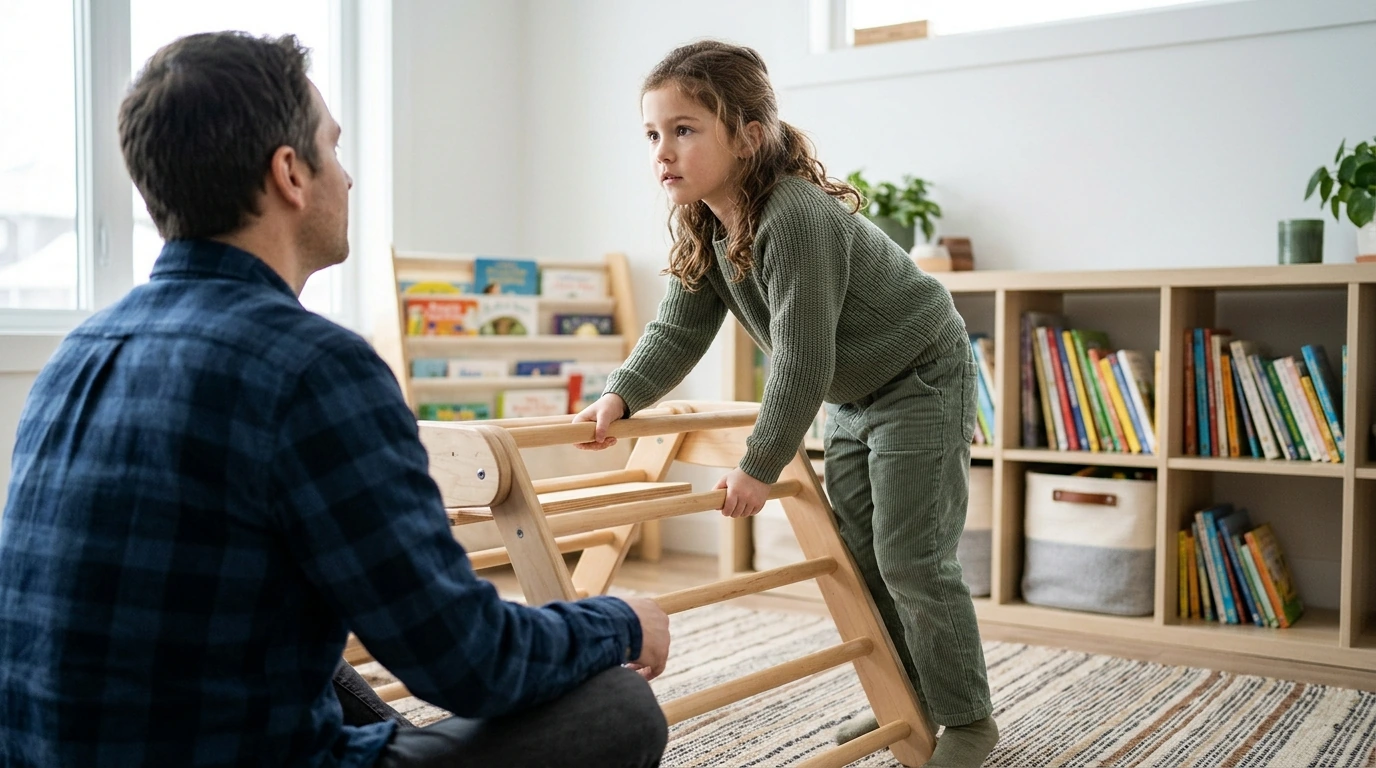
Start with manageable challenges rather than pushing a child into something overwhelming. Let them choose a small action, such as saying hello to one new classmate or trying one turn on unfamiliar playground equipment while you stay nearby.
Put words to the experience: “You felt nervous, and you asked to join anyway.” This acknowledges both the emotion and the action. Praise the effort without suggesting that being scared is a failure.
Play can make these conversations easier. You might use puppets to act out a character meeting someone new, then ask your child what the character could say or who could help. For more playful ways to build confidence, explore our preschool self-esteem activities and confidence games.
Can a child be brave and ask for help?
Absolutely. Asking a trusted adult for support can take courage, especially when a child feels embarrassed or unsure. Remind your child that bravery is not about handling everything alone or ignoring danger. It can mean speaking up, setting a boundary, or stepping away when something feels unsafe.
FAQ
How can you help a child who is afraid to try something new?
Acknowledge the fear and offer a small, manageable first step. Stay nearby, let your child ask for help, and recognize their effort rather than focusing only on the outcome.
















Leave a comment