-
Shop
- Advanced Technologies
- Beauty
- Best-Sellers
- Car Accessories
- Dating & Social Skills
- Digital Resources
- AI & Technology
- AI Skills
- Car Buying & Ownership
- Cozy Feast Collection
- Electronics & Technology
- Emotional Intelligence
- Financial Education
- Hobbies
- Home Styling & Organization
- Kitchen & Recipes
- Mindfulness
- Mindset
- Online Business
- Parenting & Child Development
- Pet Lifestyle & Wellness
- Positive Thinking
- Productivity
- Self Confidence
- Sleep Improvement
- Smart Life with AI
- Stress Management & Relaxation
- Travel Planning
- Yoga & Fitness
- Yoga & Mind-Body Practices
- Education & Learning
- Family & Parenting
- Fashion
- Fashion Accessories
- Furniture
- Gadgets
- Health & Beauty
- Health & Wellness
- Home & Garden
- Home Supplies
- Kids & Babies
- Kitchen
- Kitchen Best-Sellers
- Lighting
- Patio, Lawn & Garden
- Personal Growth
- Personal Style & Fashion
- Pet Care
- Pet Supplies
- Pets
- Sport & Outdoors
- Super Deals
- TikTok Growth & Monetization Mastery
- Travel
- Wealth
- Wealth Building
- Budgeting & Saving
- Cryptocurrency Investing
- Debt Management
- Entrepreneurship & Business Growth
- Family Finance & Budgeting
- Financial Independence
- Financial Mindset & Psychology
- Financial Planning
- Frugal Living & Expense Hacks
- Goal Setting
- High-Income Skills
- Investing Basics
- Leadership
- Motivation
- Networking & Mentorship
- Passive Income Strategies
- Real Estate Investing
- Side Hustles
- Stock Market Investing
- Wellness
- Popular
- Best deals
Preschool Self-Esteem Boosters: 7 Quick Confidence Games
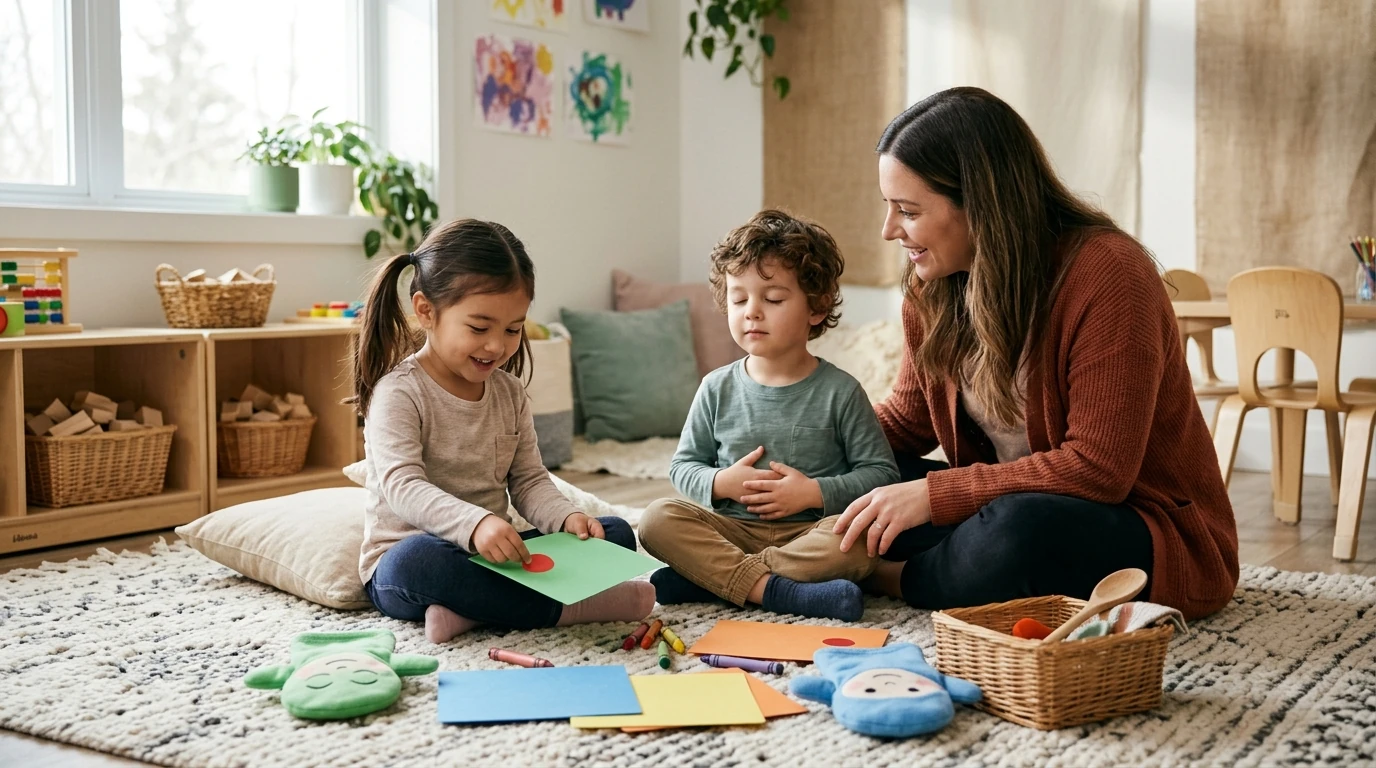
Big Feelings, Brave Hearts: Simple Self-Esteem Activities for Preschoolers (Ages 3–5)
Big emotions can feel overwhelming for preschoolers, and confidence can wobble when they face new routines, friendships, or mistakes. Gentle, play-based self-esteem activities help children name feelings, practice calming skills, and build a steady sense of “I can try.” This guide shares easy ways to nurture brave, kind, capable hearts at home or in the classroom—plus a ready-to-use digital activity pack for ages 3–5.
What self-esteem looks like in ages 3–5
For preschoolers, self-esteem isn’t about being cheerful all day. It’s more about willingness to try, recover, and re-engage—even if tears or frustration show up along the way. At ages 3–5, kids learn best through repetition, movement, pretend play, and quick conversations tied to real moments.
Some children may need extra support if you notice frequent “I can’t,” avoiding new tasks, big reactions to small mistakes, or harsh self-talk they’ve picked up from adults or older kids. A helpful north star is building “effort pride” (proud of trying) more than “outcome pride” (proud only when it’s perfect).
The “feelings first” approach: why naming emotions builds bravery
When a child can label a feeling—“mad,” “worried,” “left out”—that feeling becomes less mysterious and easier to manage. Naming feelings also makes it simpler to choose a next step: breathe, ask for help, take a break, or try again.
Pair emotion words with body cues to strengthen self-awareness: tight tummy, hot face, fast heart, clenched hands. Then use short validating phrases that don’t escalate the moment: “That was scary,” “You’re disappointed,” “You wanted a turn.” After validation, guide toward one small action the child can do right now.
Keeping emotional language neutral helps kids stay open. Instead of “good/bad feelings,” try “comfortable/uncomfortable” or “big/small feelings.” For more evidence-based parenting tools and routines, see the CDC’s Essentials for Parenting and the American Academy of Pediatrics preschool tips.
7 confidence-building activities that take 5–10 minutes
1) Brave Try Jar
Write or draw tiny challenges on slips of paper (say hi, taste a new food, try one puzzle piece). When your child does the try, celebrate the effort with a sticker or check mark—no need to judge the result.
2) Feelings Faces Mirror
Stand together and make faces for happy/sad/mad/worried/proud. Then match each face to “what helps”: hug, breathe, ask for help, drink water, quiet corner. This turns emotions into a doable plan.
3) Two Choices Practice
Offer two acceptable options to build agency: “Blue cup or red cup?” “Hop to the bath or tiptoe?” It’s a small way to give control without handing over the whole routine.
4) Mistake Magic
Make a tiny mistake on purpose while drawing and narrate: “Oops! I can fix it or try again.” Invite your child to repeat the phrase and “repair” the mistake with you.
5) Kindness Spotting
At bedtime, share one kind thing your child did and one kind thing someone did for them. Keep it specific: “You held the door,” “Grandpa helped you zip your coat.”
6) My Helper Role
Assign a predictable job (napkin helper, plant waterer, sock sorter). Competence grows when kids contribute to real routines and see that their effort matters.
7) Proud Page
| Moment | Activity | What it builds | Simple phrase to use |
|---|---|---|---|
| Morning | Two Choices Practice | Agency and cooperation | “You get to choose.” |
| Before school/daycare | Brave Try Jar | Courage and willingness to attempt | “Trying counts.” |
| After a conflict | Feelings Faces Mirror | Emotion naming and calming | “Show me your face.” |
| During play | My Helper Role | Competence and responsibility | “You’re a good helper.” |
| After a mistake | Mistake Magic | Resilience and flexibility | “Oops—try again.” |
| Bedtime | Kindness Spotting + Proud Page | Warm connection and positive self-story | “I noticed…” |
Scripts that grow self-esteem (without overpraising)
When emotions are big, lead with connection first: “I’m here,” “You’re safe.” Then coach one skill: “Let’s breathe together.” Avoid sticky labels that can backfire later. Swap “You’re so smart” for “You worked hard,” and replace “You’re shy” with “You’re warming up.” (For a helpful framework on self-awareness and self-management skills, see CASEL’s SEL fundamentals.)
Using printable activities to keep practice consistent
Digital download spotlight: Big Feelings, Brave Hearts (Ages 3–5)
If you’d like ready-to-go pages that reinforce feelings, bravery, kindness, and “I can try” thinking, the Big Feelings, Brave Hearts: Self-Esteem Activities for Little Kids (Ages 3–5) digital download is designed specifically for preschoolers. Use it for home routines, preschool centers, therapy-inspired practice, or quiet time—print what you need, when you need it.
For families also exploring connection and secure-base support, Understanding Attachment Theory for Parents (digital download) can complement confidence work by strengthening everyday relationship habits that help kids feel safe enough to try.
Simple weekly plan (no overwhelm required)
FAQ
What are good self-esteem activities for 3–5 year olds?
Fast, playful options include a Brave Try Jar, a weekly Proud Page, Two Choices practice, and Mistake Magic. Preschoolers learn through short repetition, so rotating a few favorites each week tends to work better than constantly introducing new activities.
How can a preschooler build confidence when they get upset easily?
Start with naming the feeling and doing one calming step (like breathing together or squeezing hands), then offer a tiny retry: one puzzle piece, one greeting, one small request. Consistent routines and short coaching moments usually help more than long talks during a meltdown.
Should self-esteem activities focus on praise or skills?
Skills plus specific, process-based praise builds sturdier confidence than outcome praise. Highlight effort and strategies (“You kept going,” “You tried a new way”) and treat mistakes as normal practice opportunities.
















Leave a comment