-
Shop
- Advanced Technologies
- Beauty
- Best-Sellers
- Car Accessories
- Dating & Social Skills
- Digital Resources
- AI & Technology
- AI Skills
- Car Buying & Ownership
- Cozy Feast Collection
- Electronics & Technology
- Emotional Intelligence
- Financial Education
- Hobbies
- Home Styling & Organization
- Kitchen & Recipes
- Mindfulness
- Mindset
- Online Business
- Parenting & Child Development
- Pet Lifestyle & Wellness
- Positive Thinking
- Productivity
- Self Confidence
- Sleep Improvement
- Smart Life with AI
- Stress Management & Relaxation
- Travel Planning
- Yoga & Fitness
- Yoga & Mind-Body Practices
- Education & Learning
- Family & Parenting
- Fashion
- Fashion Accessories
- Furniture
- Gadgets
- Health & Beauty
- Health & Wellness
- Home & Garden
- Home Supplies
- Kids & Babies
- Kitchen
- Kitchen Best-Sellers
- Lighting
- Patio, Lawn & Garden
- Personal Growth
- Personal Style & Fashion
- Pet Care
- Pet Supplies
- Pets
- Sport & Outdoors
- Super Deals
- TikTok Growth & Monetization Mastery
- Travel
- Wealth
- Wealth Building
- Budgeting & Saving
- Cryptocurrency Investing
- Debt Management
- Entrepreneurship & Business Growth
- Family Finance & Budgeting
- Financial Independence
- Financial Mindset & Psychology
- Financial Planning
- Frugal Living & Expense Hacks
- Goal Setting
- High-Income Skills
- Investing Basics
- Leadership
- Motivation
- Networking & Mentorship
- Passive Income Strategies
- Real Estate Investing
- Side Hustles
- Stock Market Investing
- Wellness
- Popular
- Best deals
Deep Calm Bundle: 5-in-1 Digital Mindfulness for Stress
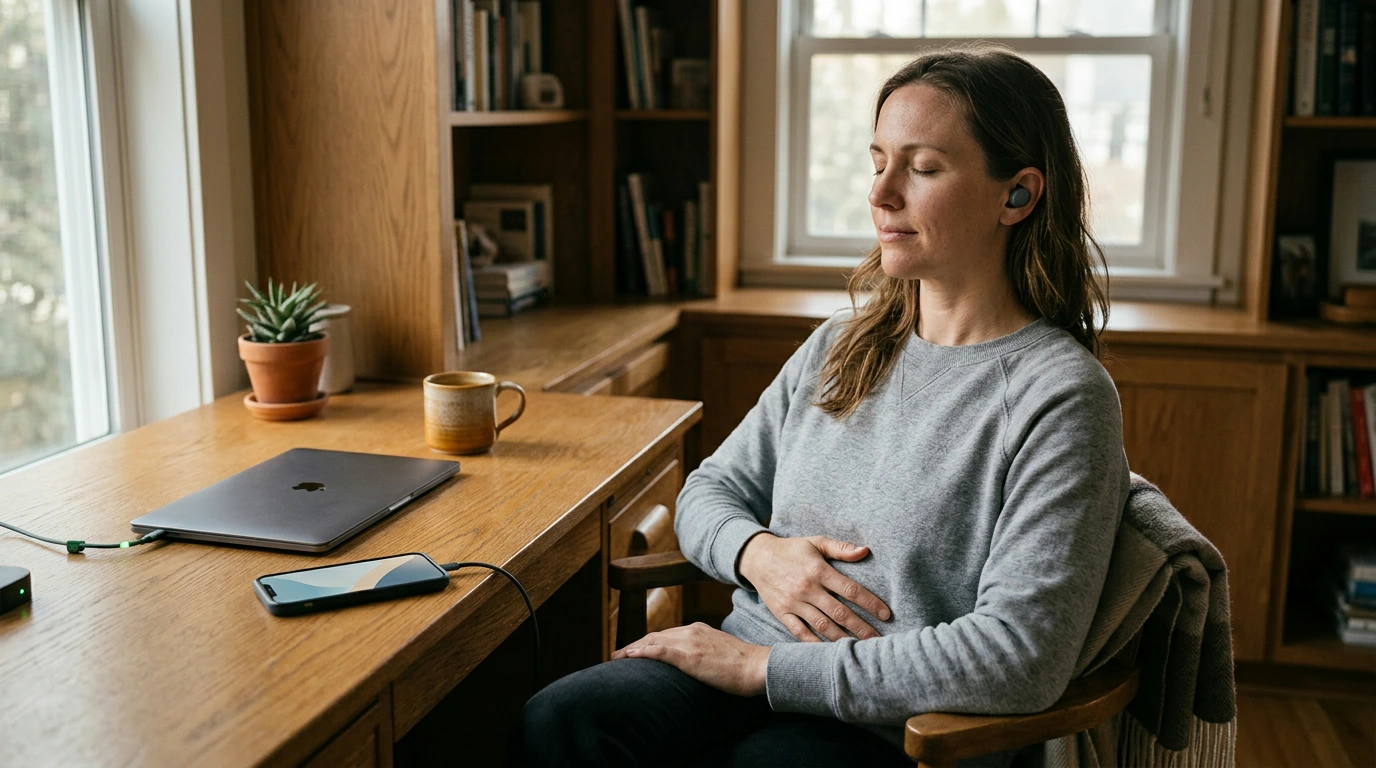
The Deep Calm Bundle for Stress Relief: a 5-in-1 digital toolkit for steadier days
Stress can build quickly in a screen-saturated day—notifications, multitasking, and constant context switching keep the nervous system on alert. A structured set of short, repeatable mindfulness practices can create reliable “downshift” moments without requiring a retreat or hour-long sessions. The The Deep Calm Bundle for Stress Relief: 5-in-1 Digital Mindfulness Guides is designed as a digital toolkit that fits into real routines, offering multiple approaches so calming practice can match different moods, schedules, and stress triggers.
What the bundle is and who it fits
The Deep Calm Bundle is a 5-in-1 set of digital mindfulness guides aimed at stress relief and emotional steadiness. Instead of relying on a single method, it’s built for flexible use—quick resets during the day, deeper wind-downs at night, and steady habits that feel more natural over weeks.
This format tends to work especially well for people who prefer structured prompts over open-ended meditation, or who want variety to avoid “practice fatigue.” It’s a practical match for desk workers, students, caregivers, and anyone managing digital overload, racing thoughts, or that “always on” feeling between tasks.
How digital mindfulness guides support stress relief
Mindfulness doesn’t have to mean sitting perfectly still for long stretches. With guided, repeatable practices, the benefit often comes from creating a predictable pause—brief, intentional breaks that can reduce physiological arousal and interrupt spiraling thoughts. Over time, these pauses help train attention and awareness: noticing tension, breath, and mental chatter can reduce automatic reactivity.
Digital guides also support self-regulation skills you can use on demand, such as grounding, labeling emotions, and gentle reframing. When the format stays consistent, it lowers friction—making it easier to practice even on busy days, which is where habit formation really happens. For a research-grounded overview of how mindfulness practices can support mental well-being, see the American Psychological Association’s mindfulness meditation resource.
Common stress moments and a matching practice style
| Stress moment | What it feels like | Practice that often helps | When to use it |
|---|---|---|---|
| Inbox overload | Rushed, scattered, tense shoulders | 2–5 minute grounding + breath pacing | Before opening email; between tasks |
| Afternoon slump | Low energy, restless scrolling | Mindful movement + sensory reset | Midday; after meetings |
| Evening rumination | Replay of conversations, worry loops | Guided body scan + thought labeling | After dinner; before bed |
| Social media spirals | Comparison, irritability, tight chest | Values check-in + compassion practice | Right after noticing the urge to keep scrolling |
| Pre-sleep tension | Jaw clenching, racing mind | Progressive relaxation + slow exhale focus | 10–20 minutes before sleep |
What’s inside a 5-in-1 approach (and why variety matters)
A simple weekly routine using the bundle
Example 7-day rhythm
| Day | Daytime (2–5 min) | Evening (10–20 min) | Focus |
|---|---|---|---|
| Monday | Grounding reset | Body scan | Start steady; reduce tension |
| Tuesday | Breath pacing | Compassion practice | Lower irritability; soften self-criticism |
| Wednesday | Sensory check-in | Guided unwind | Interrupt midweek overload |
| Thursday | Thought labeling | Relaxation sequence | Reduce rumination; support sleep |
| Friday | Mindful movement | Short wind-down | Transition out of work mode |
| Saturday | Mini reset as needed | Longer session | Recovery and restoration |
| Sunday | Values check-in | Prepare-for-week practice | Plan calm cues for the week |
Practical tips to get better results
- Reduce friction: save the guides where they’re easy to open (home screen, favorites, or a dedicated folder).
- Anchor to an existing habit: pair a session with coffee, lunch, or brushing your teeth so it becomes automatic.
- Use one-sense grounding for screen fatigue: name one color you see, one sound you hear, or one sensation you feel to re-center attention.
- Keep expectations gentle: the goal is changing your relationship to stress, not eliminating stress entirely.
- Know when to add support: if stress is severe or persistent, mindfulness can complement professional care rather than replace it. The World Health Organization’s overview of stress is a helpful baseline for understanding common signs and impacts.
Product details and where to get it
If a flexible, guided approach fits your routine, the bundle is available as a digital download: The Deep Calm Bundle for Stress Relief: 5-in-1 Digital Mindfulness Guides. It’s designed for repeatable use across different stress scenarios, with enough variety to support both quick resets and longer wind-downs.
Quick product snapshot
| Item | Details |
|---|---|
| Name | The Deep Calm Bundle for Stress Relief: 5-in-1 Digital Mindfulness Guides |
| Type | Digital mindfulness guides (bundle) |
| Best for | Stress relief, emotional regulation, daily calm routines |
| Price | $382.99 USD |
| Availability | In stock |
Related digital guides that pair well with a calmer routine
- Understanding Attachment Theory for Parents – A Practical Parenting Guide Explaining what attachment theory means for parents | Digital Download
- The Ultimate Employee Motivation Checklist: Spark Your Team’s Drive in 7 Easy Steps! | Books on How to Motivate Employees | Printable PDF Download | Workplace Culture Guide
FAQ
How much time per day is needed to feel benefits?
Many people notice a difference with 2–5 minutes for quick resets and 10–20 minutes for deeper calm, especially when practice is consistent. A simple one-week trial—short sessions on weekdays and a longer wind-down a few nights—often makes the benefits easier to spot.
Can mindfulness guides help with sleep-related stress?
Yes—wind-down practices like a body scan, progressive relaxation, and slow exhales can reduce the “revved up” feeling that keeps the mind active at bedtime. Try a 10-minute sequence (slow breathing, brief body scan, then relaxation) and keep it consistent; persistent insomnia may still require clinical support.
Is this suitable for beginners who struggle to meditate?
It’s a strong fit for beginners because guided prompts remove guesswork and make it easier to start. Begin with the easiest-feeling practice for just 2 minutes, then build gradually as it becomes more familiar.















Leave a comment