


Wireless Water Heater: Your Buying Checklist
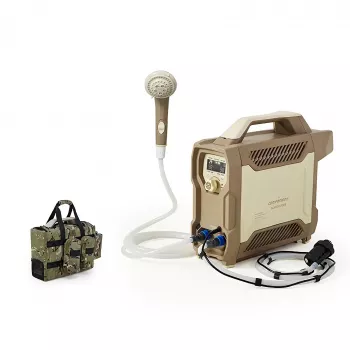
A new water heater should fit more than the space where you plan to install it. It also needs to suit your household’s hot-water routines, available power, and plumbing. Our Wireless Water Heater is an option to explore as you compare those details and plan your purchase. For more guidance, see Water Heaters with Built-In Wifi.
Before ordering, take a little time to understand your household’s demand and the work an installation may involve. The right choice is one that fits your home and can be installed and maintained according to applicable requirements. For further reading, see Rinnai vs Navien tankless water heater.
Start With Your Household’s Hot-Water Needs
Think about how many people use hot water in your home and when they need it. A household with several back-to-back morning showers may have different requirements from one where hot-water use is spread throughout the day. Also consider whether showers, laundry, and dishwashing tend to happen at the same time.
Your intended location matters, too. Measure the available space and note nearby plumbing and power connections. Leave room for any required clearances, as well as access for installation, inspection, and maintenance. A unit that fits within the basic dimensions of a space may still need additional room around it.
If you are replacing an existing heater, its performance can offer a useful starting point. Consider whether you routinely ran short of hot water or had more capacity than you needed. For a new installation or a change in household size, a qualified installer can help you assess demand and placement.
Check the Details That Matter
Before you buy, confirm the heater’s capacity and how it relates to your expected use. Depending on the type of heater, relevant measurements may include storage capacity or the rate at which it can supply hot water. Compare the manufacturer’s specifications with your peak demand rather than relying on household size alone.
Power requirements are equally important. Verify the required power source and electrical specifications, then discuss compatibility with a qualified professional. The word “wireless” does not necessarily mean a water heater operates without a power connection. Confirm what the wireless function refers to on this model and whether it requires any additional equipment.
Use the checklist below to organize the questions you want answered before ordering.
Water Heater Buying Checklist
| Consideration | What to confirm |
|---|---|
| Hot-water demand | Whether the capacity suits the intended household use |
| Power | The required power source and electrical compatibility |
| Placement | Dimensions, clearance, and access for installation |
| Wireless function | What operates wirelessly and whether additional equipment is needed |
| Installation | Whether a qualified installer and any permits are required |
Keep your measurements and questions together when comparing options. If any specification is unclear, our team can help you find the information you need before you make a decision.
Plan for Installation and Everyday Use
Water heater installation involves more than placing a unit in an open spot. Check local requirements and consult a qualified professional about the proposed location, plumbing connections, and electrical compatibility. Ask whether a permit or inspection is required and what preparation must be completed before installation day.
An installer can also help identify whether your existing connections are suitable or need changes. Include those potential costs in your budget, along with removal of an old heater if applicable. This gives you a more useful picture of the total purchase than the unit price alone.
Once the manufacturer’s instructions are available, follow them for operation and maintenance. Keep the instructions accessible and arrange any recommended service at the intervals specified. Maintaining clear access to the unit can make routine checks and future repairs easier.
Energy use is another part of the long-term cost. Compare available efficiency information alongside purchase and installation expenses. The U.S. Department of Energy’s water heating guide offers an overview of factors that affect energy use and ways to reduce hot-water costs.
Explore the Wireless Water Heater
Our Wireless Water Heater is in stock at $878.80 USD, with price and availability subject to change. Visit the product page to review the available information, and confirm its specifications and installation suitability before purchasing.
Consider your expected hot-water use, the space you have measured, and any advice from your installer together. If the unit meets those needs and works with your home’s connections, you can shop with a clearer plan for what comes next.
If your project also includes organizing nearby storage, our storage areas maintenance checklist is a separate digital resource. Keep any storage arrangements consistent with the heater’s required clearances and access.
FAQ
Does a wireless water heater need an electrical connection?
Wireless features do not necessarily eliminate the need for a power connection. Confirm this model’s power requirements before purchasing.
How do I choose the right water heater for my home?
Consider your household’s hot-water demand, available space, power compatibility, installation requirements, and expected energy use. A qualified installer can help you assess your home’s connections and placement.
Should a professional install a water heater?
Check local requirements and consult a qualified installer about safe plumbing and electrical connections. Ask whether your installation requires a permit or inspection.














Leave a comment