-
Shop
- Advanced Technologies
- Beauty
- Best-Sellers
- Car Accessories
- Dating & Social Skills
- Digital Resources
- AI & Technology
- AI Skills
- Car Buying & Ownership
- Cozy Feast Collection
- Electronics & Technology
- Emotional Intelligence
- Financial Education
- Hobbies
- Home Styling & Organization
- Kitchen & Recipes
- Mindfulness
- Mindset
- Online Business
- Parenting & Child Development
- Pet Lifestyle & Wellness
- Positive Thinking
- Productivity
- Self Confidence
- Sleep Improvement
- Smart Life with AI
- Stress Management & Relaxation
- Travel Planning
- Yoga & Fitness
- Yoga & Mind-Body Practices
- Education & Learning
- Family & Parenting
- Fashion
- Fashion Accessories
- Furniture
- Gadgets
- Health & Beauty
- Health & Wellness
- Home & Garden
- Home Supplies
- Kids & Babies
- Kitchen
- Kitchen Best-Sellers
- Lighting
- Patio, Lawn & Garden
- Personal Growth
- Personal Style & Fashion
- Pet Care
- Pet Supplies
- Pets
- Sport & Outdoors
- Super Deals
- TikTok Growth & Monetization Mastery
- Travel
- Wealth
- Wealth Building
- Budgeting & Saving
- Cryptocurrency Investing
- Debt Management
- Entrepreneurship & Business Growth
- Family Finance & Budgeting
- Financial Independence
- Financial Mindset & Psychology
- Financial Planning
- Frugal Living & Expense Hacks
- Goal Setting
- High-Income Skills
- Investing Basics
- Leadership
- Motivation
- Networking & Mentorship
- Passive Income Strategies
- Real Estate Investing
- Side Hustles
- Stock Market Investing
- Wellness
- Popular
- Best deals
Vibration Plate Routine for Pain Relief, Sleep & Fat Loss
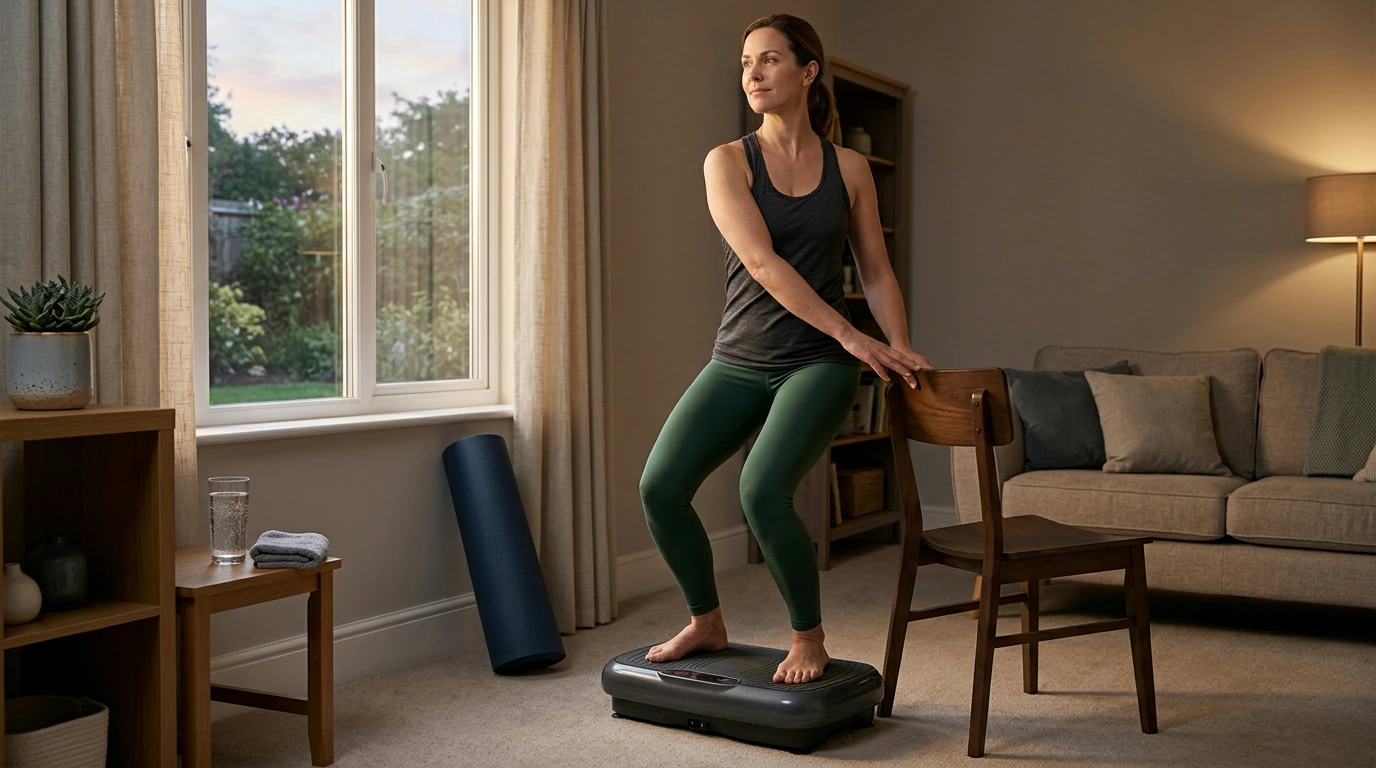
Vibration Plate Exercise Machine for Pain Relief, Better Sleep, and Fat-Burning Support
A vibration plate can add low-impact movement to a busy day, helping wake up stiff muscles, support circulation, and build a short routine that may also make it easier to unwind at night. The most helpful results typically come from a simple approach: safe settings, consistent sessions, and easy positions that match the goal—relief, recovery, or metabolic support.
How a Vibration Plate Fits Into Pain Relief, Sleep, and Body Composition Goals
Whole-body vibration works by sending small, rapid vibrations through the platform. When you stand, sit, or brace in certain positions, those vibrations can stimulate muscles to contract reflexively, increasing muscle activation even during basic holds.
For pain relief and stiffness, gentle sessions often feel like a “warm-up shortcut.” The goal isn’t to blast intensity—it’s to encourage blood flow, reduce that stuck feeling in tight calves/hips/back, and make walking, mobility work, or strength training feel smoother afterward.
For body composition, short bouts of vibration work can add light-to-moderate activity to otherwise sedentary days. On its own, it’s not a magic fat-loss tool, but paired with nutrition, regular walking, and resistance training, it can support a higher overall activity level—one of the fundamentals of sustainable fat loss (see the CDC’s physical activity basics).
For sleep, the biggest value is routine. A calmer, lower-intensity evening session paired with mobility and breathing can help shift from “wired” to “ready for bed.” If sleep challenges persist, it can help to review broader sleep habits and stress inputs (the NCCIH overview on sleep problems is a practical starting point).
Who It’s For (and When to Check With a Clinician First)
A home vibration plate is often a good fit for people who want low-impact movement, desk workers with tight hips/back, beginners easing into exercise, and anyone who benefits from quick, structured mini-sessions that are easy to repeat.
Check with a clinician first if you’re pregnant, use a pacemaker or implantable device, have acute thrombosis or severe cardiovascular disease, are recovering from recent surgery, have uncontrolled hypertension, severe neuropathy, or are dealing with acute disc issues. These situations can change what “safe” means for vibration exposure and exercise in general.
During use, stop and reassess if you notice numbness, sharp pain, dizziness, headache, or unusual joint pain. Most people do better by reducing intensity, shortening sessions, and focusing on stable, supported positions.
Footwear and stance matter: keep knees soft, maintain a neutral spine, and use stable footing to reduce vibration transfer into joints and up into the head.
Key Features to Look For in a Home Vibration Plate
Stability and confidence underfoot
A stable base and a non-slip surface reduce wobble so you can relax into holds and light movements rather than constantly “catching” your balance.
Enough intensity levels to separate recovery from conditioning
Multiple speed/intensity levels let you keep a true low setting for recovery days and a moderate setting for more athletic work. Progress is easier (and safer) when you can adjust in small steps.
Platform size that matches real-life stances
Simple controls and noise that won’t break consistency
Simple Programs: Choose One Based on Today’s Need
Quick-Start Routines by Goal (Adjust Intensity to Comfort)
| Goal | Session Length | Intensity Feel | Example Moves | Frequency |
|---|---|---|---|---|
| Pain relief & stiffness reset | 6–10 minutes | Low, comfortable | Relaxed stance (soft knees), gentle calf raise holds, supported quarter-squat hold, seated feet-on-plate for circulation | 4–6 days/week |
| Fat-burning support | 10–15 minutes | Moderate, controlled | Alternating squat holds, calf raises, glute bridge (feet on plate), short work/rest intervals | 3–5 days/week |
| Wind-down for sleep | 5–8 minutes | Low and calming | Easy stance + shoulder/neck mobility off-plate between sets, gentle hamstring stretch after, slow nasal breathing | Most evenings as tolerated |
Technique Cues That Make Sessions Safer and More Effective
Scheduling for fat-loss support: Use the plate as an “adder,” not a replacement—combine it with regular walking and 2–3 weekly strength sessions. For deeper reading on how vibration exercise is studied, browse summaries and abstracts via PubMed’s whole-body vibration research listings.
Using a Vibration Plate as Part of a Sleep-Friendly Routine
Product Picks for Quick, At-Home Consistency
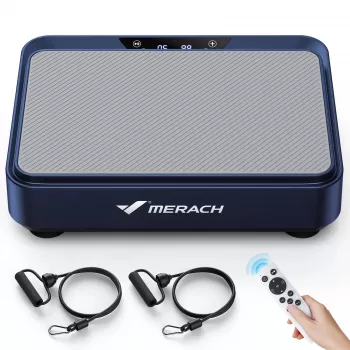
Vibration Plate Exercise Machine for Pain Relief, Sleep Aid & Fat Burning is built for fast setup and adjustable intensity, making it easier to keep sessions low-impact and repeatable. A simple plan is 5–8 minutes at low intensity for the first week, then add time or a second short session on training days.
Sticking with any routine is the hard part. If a straightforward checklist helps you stay consistent across workouts, steps, and recovery habits, the The Ultimate Employee Motivation Checklist: Spark Your Team’s Drive in 7 Easy Steps! (Printable PDF) can also be repurposed as a simple habit tracker for weekly targets (sessions completed, bedtime consistency, daily walk, and strength days).
FAQ
How long should a vibration plate session be for beginners?
Start with 5–10 minutes total at a low intensity you can tolerate comfortably. Use soft knees and simple holds, then increase duration first before increasing intensity.
Can a vibration plate help with back or joint pain?
It may help reduce stiffness and support circulation for some people, but it isn’t a cure for diagnosed conditions. Keep intensity low, prioritize good posture, and check with a clinician if you have acute pain or a specific medical diagnosis.
Is it okay to use a vibration plate at night to help sleep?
Yes, if you keep it low-intensity and short as part of a wind-down routine. Avoid high-intensity intervals right before bed if they feel energizing, and pair your session with consistent sleep habits.











Leave a comment