-
Shop
- Advanced Technologies
- Beauty
- Best-Sellers
- Car Accessories
- Dating & Social Skills
- Digital Resources
- AI & Technology
- AI Skills
- Car Buying & Ownership
- Cozy Feast Collection
- Electronics & Technology
- Emotional Intelligence
- Financial Education
- Hobbies
- Home Styling & Organization
- Kitchen & Recipes
- Mindfulness
- Mindset
- Online Business
- Parenting & Child Development
- Pet Lifestyle & Wellness
- Positive Thinking
- Productivity
- Self Confidence
- Sleep Improvement
- Smart Life with AI
- Stress Management & Relaxation
- Travel Planning
- Yoga & Fitness
- Yoga & Mind-Body Practices
- Education & Learning
- Family & Parenting
- Fashion
- Fashion Accessories
- Furniture
- Gadgets
- Health & Beauty
- Health & Wellness
- Home & Garden
- Home Supplies
- Kids & Babies
- Kitchen
- Kitchen Best-Sellers
- Lighting
- Patio, Lawn & Garden
- Personal Growth
- Personal Style & Fashion
- Pet Care
- Pet Supplies
- Pets
- Sport & Outdoors
- Super Deals
- TikTok Growth & Monetization Mastery
- Travel
- Wealth
- Wealth Building
- Budgeting & Saving
- Cryptocurrency Investing
- Debt Management
- Entrepreneurship & Business Growth
- Family Finance & Budgeting
- Financial Independence
- Financial Mindset & Psychology
- Financial Planning
- Frugal Living & Expense Hacks
- Goal Setting
- High-Income Skills
- Investing Basics
- Leadership
- Motivation
- Networking & Mentorship
- Passive Income Strategies
- Real Estate Investing
- Side Hustles
- Stock Market Investing
- Wellness
- Popular
- Best deals
Mindful Daily Routines for Emotional Balance & Calm
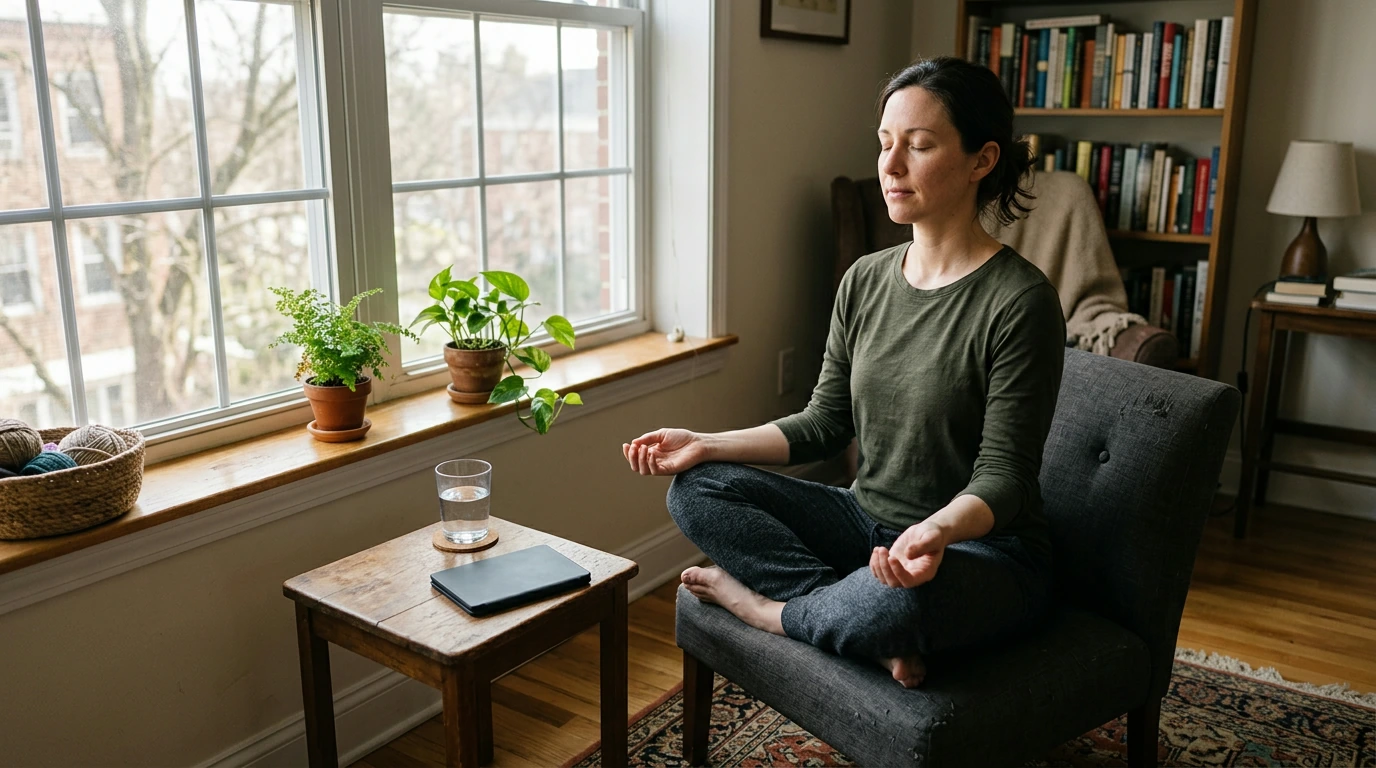
Mindful Routines for Emotional Balance: Daily Calm, Emotional Clarity, and Sustainable Habits
Emotional balance rarely comes from one big breakthrough—it’s usually built through small, repeatable routines that steady the nervous system and create space between a trigger and a reaction. A few minutes in the morning, a brief reset at midday, and a simple wind-down at night can reduce emotional whiplash and make responses feel more intentional. The goal isn’t to feel good all the time; it’s to feel grounded enough to meet real life with steadier attention, clearer choices, and kinder self-talk.
What emotional balance looks like in daily life
Emotional balance doesn’t mean never getting stressed or upset. It looks more like a flexible “return to center” that gets easier with practice.
- Not the absence of stress: emotions still rise and fall, but recovery becomes faster and less disruptive.
- More “response room”: the pause between feeling and doing gets slightly wider, even on hard days.
- Better signal detection: recognizing early signs of overwhelm (tight chest, racing thoughts, irritability) before they spill over.
- Self-trust increases: routines become reliable anchors when circumstances are not.
Research summaries from the American Psychological Association and the National Center for Complementary and Integrative Health describe mindfulness as a skill that can support stress regulation over time—especially when practiced consistently, even in small doses.
The building blocks of a sustainable mindfulness routine
The best routine is the one that actually gets repeated. Instead of relying on willpower, build a system that makes mindful moments easier to start and easier to finish.
- Keep it small: start with 1–3 minutes so the habit forms before motivation fades.
- Make it specific: attach practices to existing cues (after brushing teeth, before opening email, when the kettle boils).
- Aim for “often,” not “perfect”: consistency over intensity prevents all-or-nothing burnout.
- Include the body: breath, posture, and sensation tracking help regulate emotion faster than analysis alone.
- Use compassion as a baseline: noticing “this is hard” reduces the secondary stress of self-criticism.
Core routine elements and what they support
| Element | Example | Emotional benefit |
|---|---|---|
| Cue | After morning coffee | Reduces decision fatigue; makes habits automatic |
| Practice | 60 seconds of slow breathing | Downshifts stress response; steadies attention |
| Name it | Label the emotion: “anxiety,” “sadness,” “frustration” | Improves clarity; reduces reactivity |
| Value-based action | One small next step aligned with priorities | Builds agency and self-trust |
| Closure | A brief phrase: “Enough for now” | Prevents rumination; creates mental boundaries |
A simple 3-part daily rhythm: morning, midday, evening
A steady rhythm works because it meets you where you are: it starts the day on purpose, interrupts stress buildup, and reduces emotional carryover into sleep.
Morning (2–5 minutes): orient + intention
Try one minute of slower breathing, then ask: “What matters today?” and “How do I want to show up when things feel tense?” Keep it practical—choose one quality (patient, steady, direct, kind) and one small action.
Midday (1–3 minutes): reset before the pile-up
Use this before meetings, caregiving tasks, messages, errands, or any moment you tend to rush. A short reset is less about “calming down” and more about preventing emotional momentum from taking over the afternoon.
Evening (3–7 minutes): downshift + release
To signal safety to the body, pick a gentle practice: a brief body scan, a slow walk around the home, or writing two lines—one thing that felt hard, and one thing you handled better than before. If time is tight, keep the rhythm but shorten each block; frequency matters more than duration.
Micro-practices for emotional clarity when feelings are loud
When emotions spike, complex strategies can feel impossible. Micro-practices work because they’re simple, physical, and fast—giving the nervous system a chance to settle enough for clearer choices.
Handling common obstacles without quitting
Putting it together: a 7-day starter plan that stays realistic
A guided resource for building daily calm and sustainable habits
- Mindful Routines for Emotional Balance – A Practical eBook Guide to Daily Calm, Emotional Clarity, and Sustainable Mindfulness Habits is designed to turn mindfulness into repeatable daily routines rather than occasional attempts.
- For emotional regulation inside family life and close relationships, Understanding Attachment Theory for Parents – A Practical Parenting Guide pairs well with mindfulness by helping you notice patterns, triggers, and repair moments more clearly.
- If stress shows up most at work (deadlines, difficult conversations, disengagement), a practical companion for building momentum is The Ultimate Employee Motivation Checklist: Spark Your Team’s Drive in 7 Easy Steps!, which supports simple follow-through habits you can align with calmer daily routines.
FAQ
How long does it take to feel more emotionally balanced with mindfulness routines?
Small changes often show up within days to weeks, such as faster recovery after stress and fewer emotional spirals. Consistency matters more than longer sessions, so brief daily practice tends to work better than occasional longer attempts.
What’s the best mindfulness routine for someone who gets overwhelmed easily?
Use short, eyes-open, body-anchored practices like feet-on-floor grounding or lengthening the exhale for 30–60 seconds. Give yourself permission to stop early and return later; the aim is safety and steadiness, not pushing through.
Can mindfulness help with emotional triggers in relationships?
Yes—mindfulness helps by creating a pause, labeling what you feel, noticing body cues, and choosing a response aligned with your values. A quick reset before responding and a brief reflection afterward can reduce escalation and support repair.















Leave a comment