


Learn Smarter, Not Harder: Study Strategies That Stick

Learning can be rewarding, but finding time for it is not always easy. Between classes, work, and everything else on your calendar, a long study session may feel unrealistic. A more manageable approach is to decide what matters most, practice it actively, and return to it regularly.
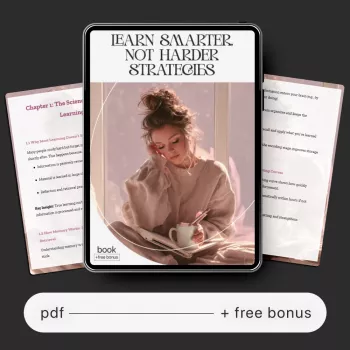
Our Learn Smarter, Not Harder eBook is a digital study guide for students, professionals, and lifelong learners who want a resource focused on smarter learning strategies. You can also use the ideas below to start building a routine that fits your goals and schedule.
Make Learning Fit Your Goal
Before you open a textbook or start a course, name what you want to understand or be able to do. A goal such as “learn more about accounting” gives you a direction, but “explain the difference between revenue and profit” gives you something specific to practice.
Break a larger goal into sessions you can realistically complete. If you are preparing for an exam, you might choose one topic and work through a few questions at a time. If you are learning a workplace skill, you could practice one task and note where you need help. For a personal interest, you might focus on understanding one idea before moving to the next.
At the end of each session, ask yourself whether you can do the thing you set out to do. Your answer does not have to be perfect. It simply helps you decide whether to move forward, revisit the topic, or make the next goal smaller.
Choose Strategies That Keep You Engaged
Reading and highlighting can help you become familiar with material, but it is also useful to practice bringing ideas to mind without looking. With active recall, you close your notes, answer a question, and then check your response. Any missing details become a useful guide for what to revisit.
Spaced practice means returning to a topic across multiple sessions instead of relying on one long session. You might review a concept today, revisit it later in the week, and return to it again as your schedule allows. The aim is to give yourself more than one opportunity to work with the material.
Application adds another way to engage. Try using a concept in an example, or explain it in plain language as if you were talking to someone new to the subject. If your explanation gets tangled, that can show you which part needs another look.
These are general suggestions you can try whether you are studying independently or using a guide. For more study ideas, the University of North Carolina Learning Center’s study guide offers practical advice on active studying and planning your time.
Ways to Put Smarter Study Into Practice
| Strategy | How to try it | Useful for |
|---|---|---|
| Active recall | Answer a question without looking at your notes, then check your answer. | Checking what you remember |
| Spaced practice | Revisit a topic in several shorter sessions over time. | Keeping earlier material fresh |
| Application | Use a concept in an example or explain it in your own words. | Connecting ideas to practical use |
Build a Repeatable Study Routine
A useful routine does not need to fill an entire afternoon. Start with a session length that fits your day, then adjust it as you learn what works for you. A short, focused session can give you a clear next step even when your schedule is full.
- Set one goal. Choose a question to answer, a concept to explain, or a skill to practice.
- Study actively. Work through an example, answer questions, or explain the material without relying on your notes.
- Check your understanding. Compare your answer with your source material and identify any gaps.
- Schedule a revisit. Choose a later time to return to the topic, even if it is only for a brief review.
Keep a short list of questions or concepts to revisit rather than trying to master everything at once. You can use that list to choose the goal for your next session. If you repeatedly run out of time, shorten the task or spread it over more sessions. If you have more room in your week, add practice gradually.
Explore Our Study Smarter Guide
Our Learn Smarter, Not Harder Strategies eBook is a digital download intended for students, professionals, and lifelong learners. It is listed at $13.99 USD and may be worth considering if you want a resource focused on smarter learning strategies.
You can pair your learning plan with a practical space for your materials. If keeping that space organized is also a goal, our How to Maintain Your Storage Areas Checklist is a separate printable digital download. Choose the study guide for its learning focus, or consider the checklist if you also want an organization resource.
FAQ
Who is the Learn Smarter, Not Harder eBook for?
It is presented as a study smarter guide for students, professionals, and lifelong learners.
Is the guide a physical book?
No. The guide is listed as an eBook and digital download.
How can I make a study routine easier to maintain?
Start with a manageable goal, practice actively, and plan a later session to revisit the material. Adjust the length and frequency of your sessions to fit your schedule.















Leave a comment