-
Shop
- Advanced Technologies
- Beauty
- Best-Sellers
- Car Accessories
- Dating & Social Skills
- Digital Resources
- AI & Technology
- AI Skills
- Car Buying & Ownership
- Cozy Feast Collection
- Electronics & Technology
- Emotional Intelligence
- Financial Education
- Hobbies
- Home Styling & Organization
- Kitchen & Recipes
- Mindfulness
- Mindset
- Online Business
- Parenting & Child Development
- Pet Lifestyle & Wellness
- Positive Thinking
- Productivity
- Self Confidence
- Sleep Improvement
- Smart Life with AI
- Stress Management & Relaxation
- Travel Planning
- Yoga & Fitness
- Yoga & Mind-Body Practices
- Education & Learning
- Family & Parenting
- Fashion
- Fashion Accessories
- Furniture
- Gadgets
- Health & Beauty
- Health & Wellness
- Home & Garden
- Home Supplies
- Kids & Babies
- Kitchen
- Kitchen Best-Sellers
- Lighting
- Patio, Lawn & Garden
- Personal Growth
- Personal Style & Fashion
- Pet Care
- Pet Supplies
- Pets
- Sport & Outdoors
- Super Deals
- TikTok Growth & Monetization Mastery
- Travel
- Wealth
- Wealth Building
- Budgeting & Saving
- Cryptocurrency Investing
- Debt Management
- Entrepreneurship & Business Growth
- Family Finance & Budgeting
- Financial Independence
- Financial Mindset & Psychology
- Financial Planning
- Frugal Living & Expense Hacks
- Goal Setting
- High-Income Skills
- Investing Basics
- Leadership
- Motivation
- Networking & Mentorship
- Passive Income Strategies
- Real Estate Investing
- Side Hustles
- Stock Market Investing
- Wellness
- Popular
- Best deals
Italian Minimalist Ceiling Light for Bedroom & Study
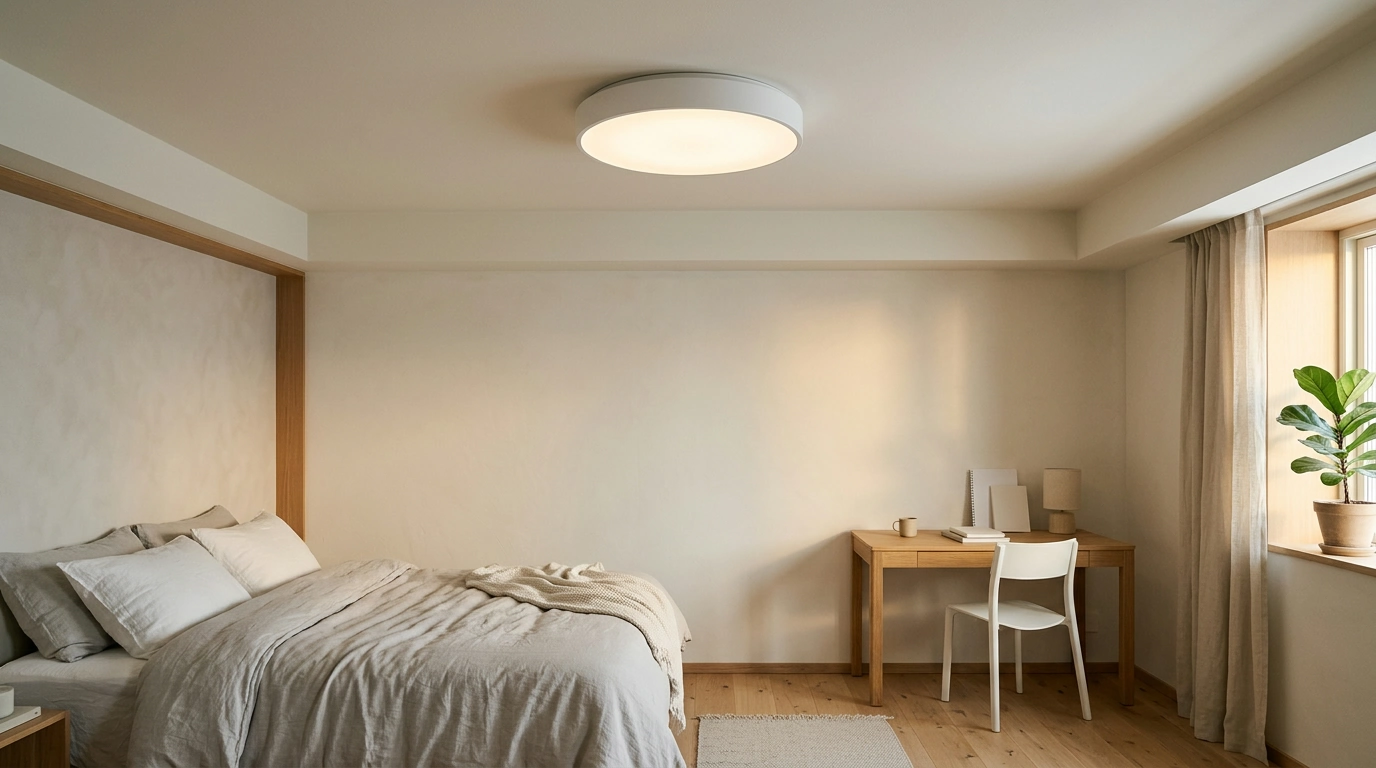
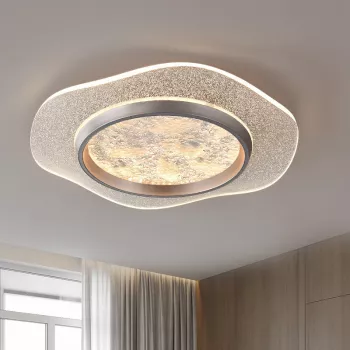
Modern Italian Minimalist Ceiling Light – Elegant Bedroom & Study Illumination
A ceiling light should do more than “light the room.” It should calm visual noise, flatter finishes, and make daily routines—winding down in the bedroom or focusing at a desk—feel effortless. Our team chose this modern Italian minimalist ceiling light for clean geometry and a refined, elegant presence that blends into the architecture while delivering comfortable, everyday illumination. For more guidance, see Kuranda Dog Beds® | Elevated, Chew Proof, Easy to Clean.
The look: modern Italian minimalism that feels intentional
Minimalist ceiling lighting works best when it reads as part of the ceiling plane—quiet lines, balanced proportions, and no visual clutter. That’s the strength of a modern Italian-inspired approach: it prioritizes restraint, giving you a composed silhouette that sits comfortably in contemporary spaces, transitional rooms, and softly classic interiors. For further reading, see Does Your Dog Need an Orthopedic Bed? | Joint Support & ….
The payoff is “elegant, not loud” light—ideal for bedrooms and studies where calm matters as much as brightness. This style also plays well with the materials most people live with every day: warm woods, stone textures, matte paint, and brushed metal accents. Instead of competing with those finishes, it lets them look more intentional.
How it supports bedroom comfort and study focus
Bedrooms benefit from even, glare-controlled ceiling light that keeps the space soothing rather than harsh—especially for those last few minutes before sleep. A minimalist ceiling fixture is especially helpful here because it doesn’t visually “activate” the room the way busy fixtures can; it keeps the ceiling quiet and the mood steady.
In a study or home office, the needs shift from soothing to clear. You want consistent illumination that reduces shadows on your work surface and helps the room feel awake—without turning clinical. A clean, modern ceiling light provides that dependable base layer so your desk lamp can focus on task details instead of trying to light the whole room.
If you’re working with a mixed-use space (guest room + office), a minimalist ceiling fixture is one of the simplest ways to keep the ceiling visually clean while still giving you reliable ambient light. Our favorite layering approach: use the ceiling light as ambient lighting, then add a bedside lamp or desk lamp for task-level precision.
Choosing the right light tone and brightness for everyday living
Light tone (warm vs. neutral) shapes the mood more than most people expect. Bedrooms typically lean warmer for a relaxed feel, while studies often prefer neutral light for crispness and focus. Glare control matters, too—especially in lower-ceiling rooms and near reflective surfaces. A well-chosen ceiling light should feel comfortable both from the bed and from a seated desk position.
If your room needs to flex across the day (work, reading, winding down), dimming can be the easiest mood switch—when your bulb/driver and wall control are compatible. To keep the room feeling cohesive, aim for similar color temperatures across the space (ceiling light, lamps, and any wall lights) so you don’t end up with mismatched “pools” of light.
| Room / Zone | Placement focus | Recommended light tone | Why it works |
|---|---|---|---|
| Bedroom (general) | Centered for even spread | Warm (around 2700K–3000K) | Keeps the room restful and flattering to finishes |
| Bedroom (with reading corner) | Centered + add a reading lamp | Warm (2700K–3000K) | Ambient comfort with targeted task light |
| Study / office | Centered over main circulation area | Neutral-warm to neutral (3000K–4000K) | Sharper visibility for focus without feeling harsh |
| Hybrid guest room + office | Centered + dimming (if compatible) | 3000K is a versatile middle ground | Shifts easily from work mode to wind-down mode |
Styling notes: making a minimalist ceiling light look elevated
Minimalism looks best when the ceiling line stays clean. If possible, avoid piling competing elements around the fixture—busy medallions, oversized vents, or cluttered track systems can steal the calm this style is meant to create. Instead, let the ceiling light sit as a quiet anchor.
For a cohesive result, repeat that simplicity elsewhere: streamlined curtain rods, simple hardware, and restrained wall decor amplify the modern minimalist feel. Contrast is also your friend. Minimalist lighting reads especially sophisticated against matte ceilings, soft plaster textures, or subtly toned paint. And if the room is monochrome, add depth with textiles—linen bedding, wool rugs, and layered curtains—so the space feels intentional rather than stark.
Installation and care: the everyday practical side
Before installation, confirm your ceiling junction box compatibility and your switch type. If you’re adding a dimmer, verify it matches the light’s electrical requirements and any included driver or bulb type. For bedrooms and studies, a stable mount matters—these are frequently used spaces, and subtle vibrations from doors and daily movement can add up over time.
Shop our picks
- Modern Italian Minimalist Ceiling Light – Elegant Bedroom & Study Illumination
- Versace Reversible Jacket with Iconic Barocco Pattern
A simple plan for a better-lit bedroom or study
FAQ
Is this ceiling light better for a bedroom or a study?
It works well in both. In a bedroom, it creates calm, even ambient light; in a study, it provides a clear base layer that supports focus—then you can add a bedside lamp or desk lamp for true task lighting.
What color temperature works best for a minimalist bedroom ceiling light?
Warm white (typically 2700K–3000K) suits bedrooms because it feels relaxing and flattering. If you want a versatile middle ground, 3000K often blends well with both evening comfort and daytime routines.
Can a minimalist ceiling light be used with a dimmer switch?
Often, yes, but compatibility depends on the bulb/driver and the dimmer type on your wall. If you’re unsure, a qualified installer can confirm the correct pairing so dimming stays smooth and flicker-free.











Leave a comment