-
Shop
- Advanced Technologies
- Beauty
- Best-Sellers
- Car Accessories
- Dating & Social Skills
- Digital Resources
- AI & Technology
- AI Skills
- Car Buying & Ownership
- Cozy Feast Collection
- Electronics & Technology
- Emotional Intelligence
- Financial Education
- Hobbies
- Home Styling & Organization
- Kitchen & Recipes
- Mindfulness
- Mindset
- Online Business
- Parenting & Child Development
- Pet Lifestyle & Wellness
- Positive Thinking
- Productivity
- Self Confidence
- Sleep Improvement
- Smart Life with AI
- Stress Management & Relaxation
- Travel Planning
- Yoga & Fitness
- Yoga & Mind-Body Practices
- Education & Learning
- Family & Parenting
- Fashion
- Fashion Accessories
- Furniture
- Gadgets
- Health & Beauty
- Health & Wellness
- Home & Garden
- Home Supplies
- Kids & Babies
- Kitchen
- Kitchen Best-Sellers
- Lighting
- Patio, Lawn & Garden
- Personal Growth
- Personal Style & Fashion
- Pet Care
- Pet Supplies
- Pets
- Sport & Outdoors
- Super Deals
- TikTok Growth & Monetization Mastery
- Travel
- Wealth
- Wealth Building
- Budgeting & Saving
- Cryptocurrency Investing
- Debt Management
- Entrepreneurship & Business Growth
- Family Finance & Budgeting
- Financial Independence
- Financial Mindset & Psychology
- Financial Planning
- Frugal Living & Expense Hacks
- Goal Setting
- High-Income Skills
- Investing Basics
- Leadership
- Motivation
- Networking & Mentorship
- Passive Income Strategies
- Real Estate Investing
- Side Hustles
- Stock Market Investing
- Wellness
- Popular
- Best deals
Girls Waterproof Windproof Hooded Jacket: Fit & Layers
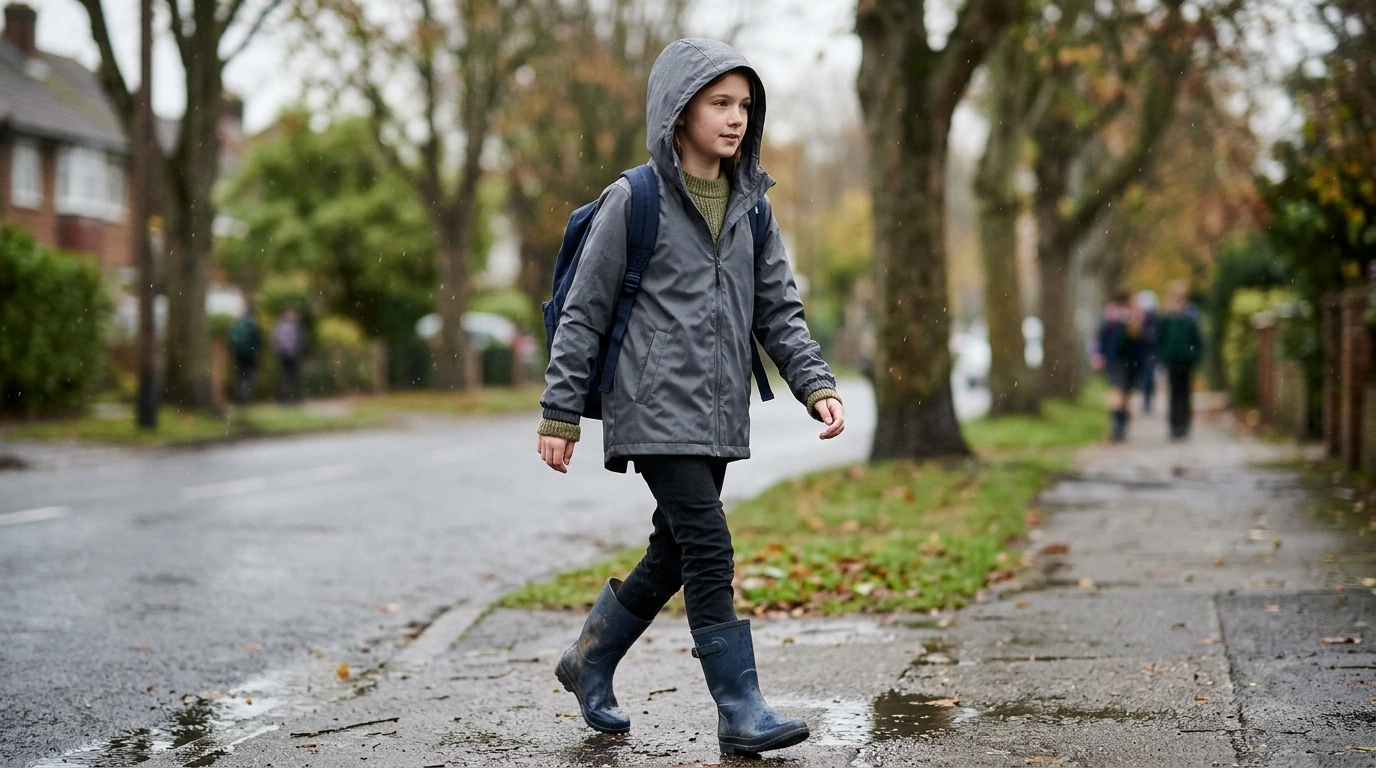
A rainy forecast does not have to cancel the walk to school or every outdoor plan. When rain and wind are both on the calendar, a hooded outer layer gives you one less thing to juggle on the way out the door. Our Girls Waterproof Windproof Hooded Jacket is an option to consider for those changeable days. The best way to plan around it is to look at the whole outfit—not just the jacket—before your child heads outside.
A Practical Layer for Rainy, Windy Days
A waterproof, windproof hooded jacket makes sense when a hood and protection from rain and wind are priorities. Think of the trip to school, a weekend walk, or the time spent outside between activities. Conditions can change during each of those outings, so it helps to decide what goes underneath the jacket based on the temperature and how long your child will be out.
The words “waterproof” and “windproof” do not tell you everything about how warm an outfit will feel. A jacket worn over a T-shirt on a mild day serves a different purpose from one worn over a warm layer when the temperature drops. Nor should any single jacket be your entire plan for extended time in severe weather.
Plan an Outfit Around the Forecast
| Conditions | What to wear underneath | What to check before heading out |
|---|---|---|
| Mild and rainy | A comfortable everyday top | Make sure the hood sits comfortably and the jacket allows easy movement. |
| Cool and windy | A suitable warm layer | Check that the full outfit feels comfortable when zipped and during play. |
| Cold with a chance of rain | Weather-appropriate layers | Consider the temperature, time outdoors, and whether extra cold-weather gear is needed. |
This is a starting point, not a fixed dress code. A short walk from the car may call for a different outfit than an afternoon outdoors. If your child tends to get warm while running around, consider the activity as well as the number on the thermometer. Before leaving, ask whether the full outfit feels comfortable; the answer may be more useful than judging the jacket on its own.
Make Room for Movement and Layers
For a jacket your child will reach for regularly, fit matters as much as the forecast. Before ordering, use the current size chart and take your child’s measurements rather than choosing by age alone. Children of the same age can need different sizes, and the clothing they will wear underneath affects how a jacket feels.
When the jacket arrives, try it on over the layers your child is likely to wear. Have them reach forward, lift their arms, and bend to pick something up. The sleeves should provide suitable coverage without getting in the way, and the hem should stay comfortably in place during ordinary movement. Then have your child put the hood up and turn their head. It should feel comfortable for the outing you have in mind.
Try the jacket both open and closed. If a warm layer makes it difficult to move or uncomfortable to close, that outfit may not work well together. On the other hand, choosing a much larger size just to make room for layers can leave excess fabric that gets in the way of play. Our team recommends judging the complete outfit your child will actually wear, rather than relying on how an empty jacket fits on a hanger.
Match the Jacket to the Day
Rain and wind are only part of the forecast. Check the temperature, expected changes during the outing, and how much time your child will spend outside. On cold days, appropriate layers and other cold-weather gear may matter just as much as the outer layer. The National Weather Service’s cold weather safety guidance is a useful resource when temperatures or wind chill raise concerns.
For especially wet days, a dry change of clothes can make the trip home or the next activity more comfortable. It is worth packing one when travel is lengthy, outdoor activities will last a while, or changing conditions could leave clothing underneath damp. If severe weather is expected, follow local guidance and be willing to shorten, postpone, or move plans indoors. A jacket can be part of getting dressed for the day; it is not a reason to stay out when conditions become unsafe.
It also helps to plan for the transitions around an outing. Your child may walk outside, spend hours indoors, and then head back into a different forecast. Layers that are comfortable to remove and put back on can make those transitions simpler. Before the return trip, take another look at the weather rather than assuming morning conditions will hold.
Keep It Ready for the Next Outing
After a wet day, follow the garment’s care label for washing and drying. Let the jacket dry as directed before putting it away, and check that any layers packed alongside it are dry, too. A little time spent caring for outerwear after an outing helps keep it ready for the next school morning or weekend plan.
If this is the kind of layer your child needs, visit the Girls Waterproof Windproof Hooded Jacket product page for current sizing, price, and ordering details. If you are browsing jackets for another member of the household as well, we also carry the Versace Reversible Jacket with Iconic Barocco Pattern; it is a separate style, not a substitute for choosing a girls’ rain-ready layer by fit and forecast.
FAQ
What should a child wear under a waterproof windproof jacket?
Choose layers based on the temperature and activity. Start with comfortable clothing, add warmth when needed, and make sure the complete outfit still allows easy movement.
How should a girls hooded jacket fit?
Use the current size chart, then check for comfortable arm movement, suitable sleeve and hem coverage, a comfortable hood, and room for the layers your child will wear.
Recommended for you


Are Plaid Trench Coats in Style? How to Wear One
Oct 25, 2026













Leave a comment