-
Shop
- Advanced Technologies
- Beauty
- Best-Sellers
- Car Accessories
- Dating & Social Skills
- Digital Resources
- AI & Technology
- AI Skills
- Car Buying & Ownership
- Cozy Feast Collection
- Electronics & Technology
- Emotional Intelligence
- Financial Education
- Hobbies
- Home Styling & Organization
- Kitchen & Recipes
- Mindfulness
- Mindset
- Online Business
- Parenting & Child Development
- Pet Lifestyle & Wellness
- Positive Thinking
- Productivity
- Self Confidence
- Sleep Improvement
- Smart Life with AI
- Stress Management & Relaxation
- Travel Planning
- Yoga & Fitness
- Yoga & Mind-Body Practices
- Education & Learning
- Family & Parenting
- Fashion
- Fashion Accessories
- Furniture
- Gadgets
- Health & Beauty
- Health & Wellness
- Home & Garden
- Home Supplies
- Kids & Babies
- Kitchen
- Kitchen Best-Sellers
- Lighting
- Patio, Lawn & Garden
- Personal Growth
- Personal Style & Fashion
- Pet Care
- Pet Supplies
- Pets
- Sport & Outdoors
- Super Deals
- TikTok Growth & Monetization Mastery
- Travel
- Wealth
- Wealth Building
- Budgeting & Saving
- Cryptocurrency Investing
- Debt Management
- Entrepreneurship & Business Growth
- Family Finance & Budgeting
- Financial Independence
- Financial Mindset & Psychology
- Financial Planning
- Frugal Living & Expense Hacks
- Goal Setting
- High-Income Skills
- Investing Basics
- Leadership
- Motivation
- Networking & Mentorship
- Passive Income Strategies
- Real Estate Investing
- Side Hustles
- Stock Market Investing
- Wellness
- Popular
- Best deals
Build Confidence in Shy Pets: Gentle Training Steps
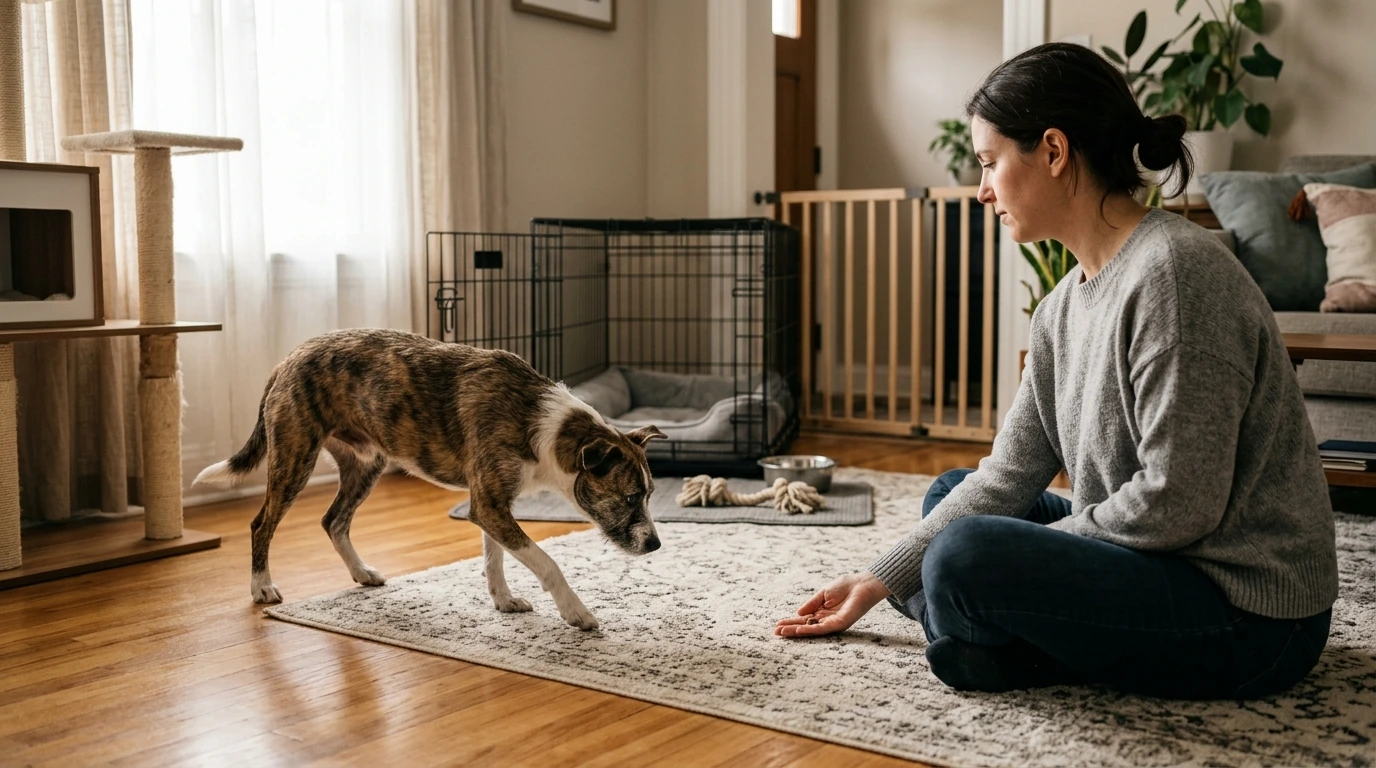
Confidence Building for Shy and Timid Pets: Gentle Steps Toward Calm, Brave Behavior
Shy and timid pets aren’t being stubborn or “difficult”—they’re coping with uncertainty in the only way they know. With the right environment, clear routines, and reward-based training, many pets can learn to feel safer, explore more, and recover faster from surprises. The goal isn’t to create a “bold” personality overnight; it’s to create predictable safety and stack up small, repeatable successes that turn into calm, brave behavior.
Shy, timid, fearful, or reactive: why the label matters
Different behavior patterns benefit from different training starting points. Getting the label roughly right helps set fair expectations and prevents pushing too fast.
- Shy: slow to approach new people or places, but can warm up with time and choice.
- Timid: consistently hesitant, easily startled, may freeze or retreat quickly.
- Fearful: shows strong stress signals (trembling, hiding, panting, tucked tail) and may avoid or defend.
- Reactive: big outward responses (barking, lunging, swatting) often rooted in fear and limited coping skills.
Confidence building works best when you first make life feel predictable and safe, then teach tiny wins your pet can repeat daily.
Body language: early stress signals to catch before your pet shuts down
Many pets signal discomfort long before a growl, hiss, or bolt. Catching the “quiet” signs lets you lower the difficulty before fear takes over.
- Subtle signals: lip licking, yawning, head turns, “whale eye,” pinned ears, low posture, slow movement, crouching, tail tucked, hiding behind furniture or legs.
- Escalation signs: freezing, growling/hissing, baring teeth, snapping, swatting, bolting, excessive shedding, frantic panting.
When signals appear, reduce pressure immediately: increase distance, lower noise, stop reaching, and make sure your pet has an easy escape route. If you track patterns (time, place, trigger intensity), it becomes much easier to train at the right difficulty level.
Set the stage: home setup that makes bravery easier
Training is faster when the environment supports calm choices. Set up “default safety” so your pet doesn’t need to be on guard all day.
- Create a safe base: a bed or crate (door open), water nearby, a chew/toy, and predictable quiet time.
- For cats, add control: vertical spaces like a cat tree or shelves, plus covered beds to help them observe without feeling exposed.
- Prevent forced interactions: baby gates, pens, or closed doors keep visitors and other pets from rushing in.
- Manage sound and motion: curtains for street triggers, white noise for sudden sounds, tidy walkways to reduce slipping.
- Consent-based handling: pause, invite approach, and reward voluntary contact rather than restraining.
For more structured, step-by-step support, consider Confidence Building for Shy and Timid Pets – Practical eBook Guide, which organizes these ideas into manageable stages you can follow consistently.
The confidence ladder: tiny wins that compound
A “confidence ladder” is a simple way to break one goal into micro-steps your pet can handle without panic.
- Pick one skill at a time: approaching, settling, leash confidence, handling tolerance, or carrier comfort.
- Work below threshold: learning happens when your pet can still eat, blink, and respond; panic blocks progress.
- Keep it short: 1–5 minute sessions prevent emotional fatigue and keep your pet successful.
- Make it predictable: same cue, same reward, same easy starting context before adding distractions.
- Change one variable at a time: distance OR duration OR distraction—never all three at once.
A simple log can help spot what’s working (and what’s too hard). If you like having a printable checklist format for tracking routines and small goals, The Ultimate Employee Motivation Checklist can be repurposed as a daily “tiny wins” tracker for pet training sessions.
Gentle training tools: rewards, enrichment, and calm routines
Confidence grows when calm behavior pays off and scary moments become manageable.
Reward-based approaches are widely supported in veterinary behavior guidance. Helpful references include the American Veterinary Society of Animal Behavior (AVSAB) position statements and the American Animal Hospital Association (AAHA) Behavior Management Guidelines.
Practical scenarios: visitors, handling, and new places
Visitors
Handling and grooming
Carrier or crate comfort
Outdoor confidence
Quick reference: common signs and what to do next
| What you notice | What it may indicate | Gentle response to try |
|---|---|---|
| Freezing or refusing to move | Over threshold; conflict or fear | Increase distance, pause the session, reward any small movement, exit calmly |
| Hiding behind furniture/legs | Seeking safety; low confidence | Provide a safe base, avoid coaxing by reaching, reward when they reappear voluntarily |
| Lip licking/yawning/head turns | Early stress; discomfort | Reduce intensity, slow down, let them choose approach, switch to easy tasks |
| Barking/lunging (or swatting/hissing) | Fear-driven reactivity; too close | Create space, block visual access, reward calm glances from farther away, avoid punishment |
| Pacing/panting in low heat | Anxiety; inability to settle | Lower stimulation, offer lick/sniff enrichment, practice mat settle in a quiet room |
| Taking treats roughly or spitting them out | Stress affecting appetite | Back up to easier distance, use higher value rewards, shorten sessions |
When to involve a professional (and what “qualified” looks like)
A structured plan to follow day by day
FAQ
How long does it take to build confidence in a shy pet?
Many pets show meaningful improvement in a few weeks, but deeper confidence can take months depending on history, genetics, and how consistent the routine is. Look for measurable changes like faster recovery after surprises and more voluntary exploration.
Is it okay to comfort a scared dog or cat, or does it reward fear?
Fear is an emotion, not a behavior your pet is choosing for “attention,” so gentle reassurance is fine if it helps them settle. Avoid forcing contact, and focus on reducing the trigger while rewarding calm, voluntary choices.
What should be avoided when training a timid pet?
Avoid punishment, flooding (forced exposure), cornering, and reaching over the head, along with inconsistent routines or moving too fast. Ignoring early stress signals often leads to bigger reactions later.
















Leave a comment