-
Shop
- Advanced Technologies
- Beauty
- Best-Sellers
- Car Accessories
- Dating & Social Skills
- Digital Resources
- AI & Technology
- AI Skills
- Car Buying & Ownership
- Cozy Feast Collection
- Electronics & Technology
- Emotional Intelligence
- Financial Education
- Hobbies
- Home Styling & Organization
- Kitchen & Recipes
- Mindfulness
- Mindset
- Online Business
- Parenting & Child Development
- Pet Lifestyle & Wellness
- Positive Thinking
- Productivity
- Self Confidence
- Sleep Improvement
- Smart Life with AI
- Stress Management & Relaxation
- Travel Planning
- Yoga & Fitness
- Yoga & Mind-Body Practices
- Education & Learning
- Family & Parenting
- Fashion
- Fashion Accessories
- Furniture
- Gadgets
- Health & Beauty
- Health & Wellness
- Home & Garden
- Home Supplies
- Kids & Babies
- Kitchen
- Kitchen Best-Sellers
- Lighting
- Patio, Lawn & Garden
- Personal Growth
- Personal Style & Fashion
- Pet Care
- Pet Supplies
- Pets
- Sport & Outdoors
- Super Deals
- TikTok Growth & Monetization Mastery
- Travel
- Wealth
- Wealth Building
- Budgeting & Saving
- Cryptocurrency Investing
- Debt Management
- Entrepreneurship & Business Growth
- Family Finance & Budgeting
- Financial Independence
- Financial Mindset & Psychology
- Financial Planning
- Frugal Living & Expense Hacks
- Goal Setting
- High-Income Skills
- Investing Basics
- Leadership
- Motivation
- Networking & Mentorship
- Passive Income Strategies
- Real Estate Investing
- Side Hustles
- Stock Market Investing
- Wellness
- Popular
- Best deals
Classic Kibbe Outfit Formulas: Polished Looks Made Easy
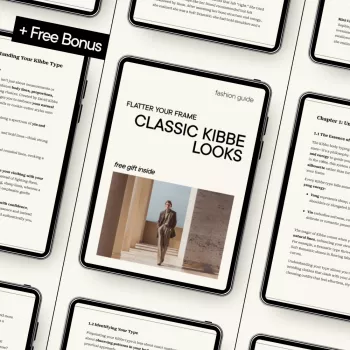
Flatter Your Frame: Classic Kibbe Looks That Make Getting Dressed Effortless
A Classic approach to Kibbe styling is about clean lines, balanced proportions, and outfits that feel polished without feeling fussy. Our team built this guide around simple outfit formulas you can repeat, then adjust for your Kibbe Image ID so your clothes echo your natural shape instead of fighting it. If you want a ready-to-use version you can keep on your phone, we made Flatter Your Frame: Classic Kibbe Looks Guide – Classic Kibbe Outfit Ideas for Every Body Type as a quick-reference download you can use while you shop and style. For more guidance, see Jennifer Kibbe.
What “Classic” styling means in Kibbe terms
“Classic” isn’t a single body type—it’s a styling level: balanced, refined, and intentional. When you lean Classic in your outfits, you’re dialing up harmony. For further reading, see Melina Kibbe (@kibbemr) / X.
- Aim for balance: outfits look best when no single element overwhelms the whole—think moderate shapes, tidy finishes, and coordinated details.
- Choose structure over slouch: light tailoring, smooth fabrics, and clean hems keep the look intentional.
- Keep the focus on line first, trend second: select silhouettes that match your proportions, then add personality with color, pattern, or accessories.
- Repeatable polish: a Classic-leaning wardrobe relies on a few strong outfit “templates” you can mix and match.
If you’re new to Kibbe, the best background source is David Kibbe’s original book (find library listings via WorldCat), and for a quick overview you can reference Kibbe body types.
Start here: quick steps to identify your strongest lines
You don’t need perfect certainty to dress better tomorrow. You just need a clearer sense of your dominant “line” so you can stop buying pieces that fight your proportions.
- Check your overall impression in a full-length mirror: do you read as more rounded (yin) or more angular (yang), or fairly balanced?
- Note your vertical line: do long, unbroken outfits look natural, or do you shine in moderate, segmented proportions?
- Look at your bone structure: shoulders, hands, and jawline—sharper and longer suggests more yang; softer and smaller suggests more yin.
- Notice flesh and curve: prominent curve benefits from shaping and drape; straighter frames often benefit from crisp structure.
- Use these observations to choose outfit formulas: respect your outline first, then add statement pieces.
Outfit formulas that flatter every Kibbe family (with Classic polish)
Think of these as “uniforms,” not rules. Pick one base, repeat it, and only change one variable at a time (shoe, hem, neckline, or fabric) so you can see what actually improves harmony.
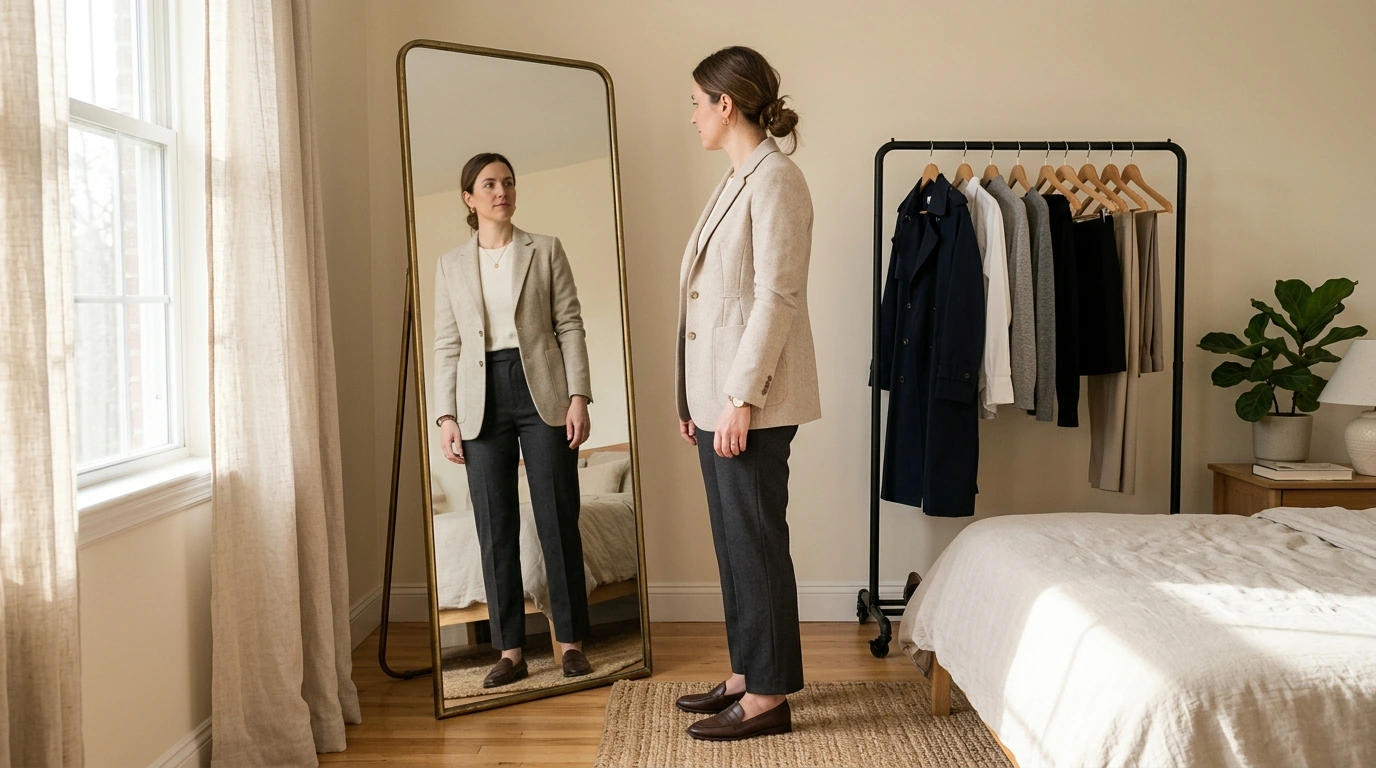
- The balanced blazer set: a softly tailored blazer + a smooth top + a straight or gently tapered bottom (swap fabrics to suit your yin/yang).
- The refined dress formula: knee to midi length + defined waist (or subtle shaping) + clean neckline—adjust sleeve/hem details for your ID.
- The elevated knit look: fine-gauge knit + streamlined trousers or skirt + sleek shoes; keep the head-to-toe effect tidy.
- The coordinated column: matching top and bottom tones for an easy vertical, then add a Classic-friendly topper (cardigan, jacket, trench).
- Accessory rule of thumb: choose fewer, better details—one hero element at a time (bag, shoe, belt, or jewelry).
Classic outfit ideas by Kibbe direction
| Kibbe direction | What to emphasize | Easy Classic outfit idea |
|---|---|---|
| Dramatic / Flamboyant Dramatic | Vertical, sleek geometry | Monochrome column + long, clean coat + pointed-toe flats/heels |
| Natural / Flamboyant Natural | Relaxed structure, slightly oversized ease | Straight-leg trousers + crisp tee + unstructured blazer + low-profile sneaker/loafer |
| Classic / Dramatic Classic / Soft Classic | Symmetry, moderation, refined finish | Tailored blazer + silk-like blouse + ankle-length cigarette pant + simple belt |
| Gamine / Flamboyant Gamine / Soft Gamine | Compact proportions, crisp detail, contrast | Cropped jacket + high-waist short skirt or ankle pant + sharp collar/top + neat boot |
| Romantic / Theatrical Romantic | Curve, waist emphasis, soft drape | Wrap-style midi dress + delicate jewelry + refined heel or sleek ballet flat |
Make it wearable: capsule pieces that support Classic Kibbe looks
A small, reliable capsule is what makes Classic styling effortless. When your “core” pieces already match your lines, getting dressed becomes quick.
If you want an instant “polish lever” for your closet, a statement outer layer can do it—especially when the silhouette is clean. For a bold option that still reads intentional as a topper, you can explore our Versace Reversible Jacket with Iconic Barocco Pattern and pair it with a simple column underneath so the jacket stays the hero without creating visual clutter.
Fit and fabric upgrades that change everything
Common styling pitfalls (and the simple fixes)
Use the guide as a daily dressing system
If you want those templates already mapped out, our team put them into Flatter Your Frame: Classic Kibbe Looks Guide – Classic Kibbe Outfit Ideas for Every Body Type so you can build outfits quickly, then customize details for your ID.
FAQ
Do Classic Kibbe looks work if the Kibbe Image ID isn’t Classic?
Yes—use the “Classic” approach as the polish level (clean, balanced, refined), then adjust silhouette, scale, and detail to match your Image ID: vertical for Dramatic, ease for Natural, contrast for Gamine, and curve emphasis for Romantic.
What’s the fastest way to make an outfit feel more flattering and “Kibbe-correct”?
Correct the main line first (overall length + shape), then refine fit at the shoulders and waist/hip. Finish with one coherent accessory story so your shoe, bag, and metal tone read as a set.
How should a beginner use outfit ideas without getting overwhelmed?
Start with one outfit formula and repeat it three ways by changing a single element (color, shoe, or topper). Note what looks harmonious on you, then expand to a second formula.










Leave a comment