-
Shop
- Advanced Technologies
- Beauty
- Best-Sellers
- Car Accessories
- Dating & Social Skills
- Digital Resources
- AI & Technology
- AI Skills
- Car Buying & Ownership
- Cozy Feast Collection
- Electronics & Technology
- Emotional Intelligence
- Financial Education
- Hobbies
- Home Styling & Organization
- Kitchen & Recipes
- Mindfulness
- Mindset
- Online Business
- Parenting & Child Development
- Pet Lifestyle & Wellness
- Positive Thinking
- Productivity
- Self Confidence
- Sleep Improvement
- Smart Life with AI
- Stress Management & Relaxation
- Travel Planning
- Yoga & Fitness
- Yoga & Mind-Body Practices
- Education & Learning
- Family & Parenting
- Fashion
- Fashion Accessories
- Furniture
- Gadgets
- Health & Beauty
- Health & Wellness
- Home & Garden
- Home Supplies
- Kids & Babies
- Kitchen
- Kitchen Best-Sellers
- Lighting
- Patio, Lawn & Garden
- Personal Growth
- Personal Style & Fashion
- Pet Care
- Pet Supplies
- Pets
- Sport & Outdoors
- Super Deals
- TikTok Growth & Monetization Mastery
- Travel
- Wealth
- Wealth Building
- Budgeting & Saving
- Cryptocurrency Investing
- Debt Management
- Entrepreneurship & Business Growth
- Family Finance & Budgeting
- Financial Independence
- Financial Mindset & Psychology
- Financial Planning
- Frugal Living & Expense Hacks
- Goal Setting
- High-Income Skills
- Investing Basics
- Leadership
- Motivation
- Networking & Mentorship
- Passive Income Strategies
- Real Estate Investing
- Side Hustles
- Stock Market Investing
- Wellness
- Popular
- Best deals
Baby Teeth Grinding at Night: Causes, Red Flags, Help
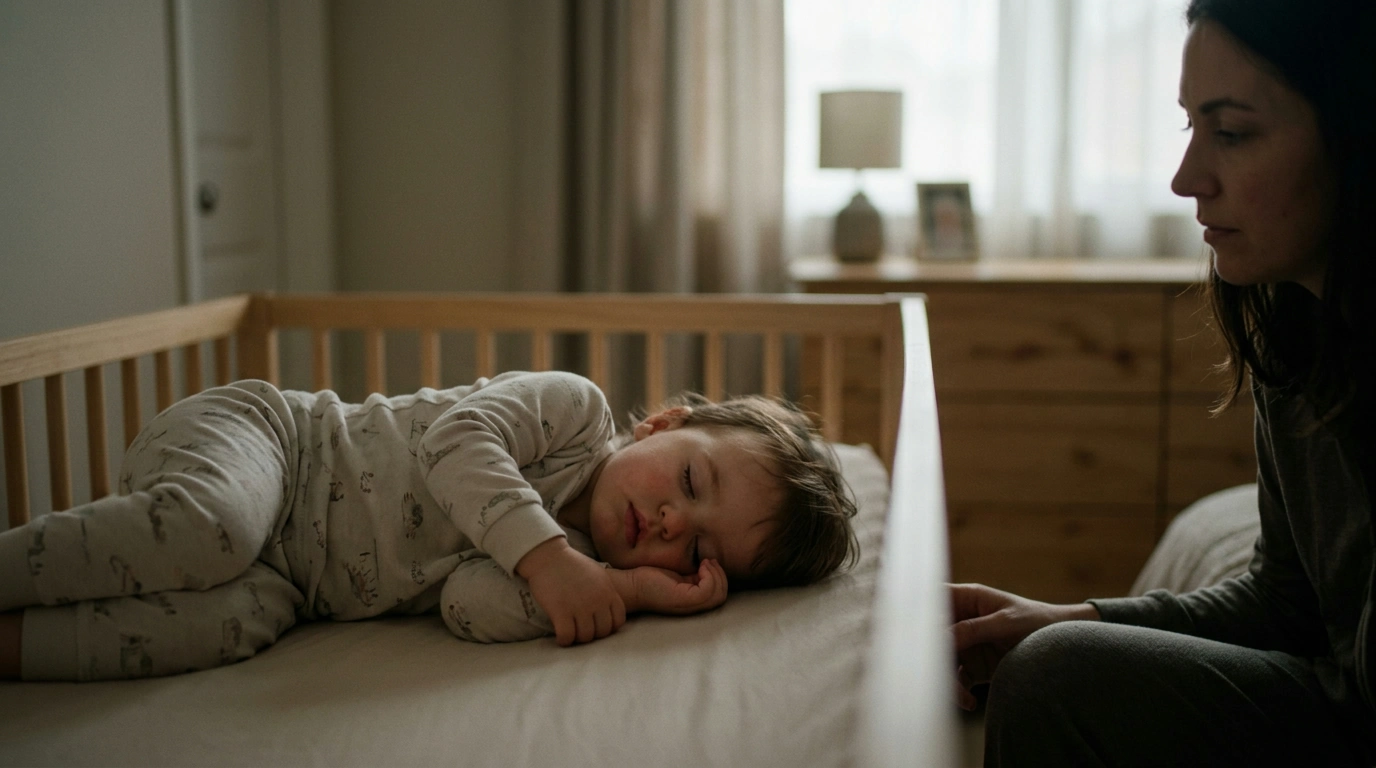
Why Babies Grind Their Teeth at Night: A Parent’s Guide to Understanding Common Reasons
Hearing that gritty, scraping sound from the crib can be unsettling. Nighttime teeth grinding (also called bruxism) is common in babies and toddlers, especially during phases of teething and rapid development. Most of the time it’s temporary and not harmful—but it helps to know what’s normal, what might be triggering it, and when it’s worth checking in with a pediatrician or pediatric dentist.
What Teeth Grinding Can Look and Sound Like
Baby bruxism doesn’t always look dramatic. Often it’s a brief, half-asleep behavior that comes and goes in phases.
- Rhythmic clicking or scraping sounds during light sleep or while settling
- Jaw clenching during naps or bedtime routines
- Brief episodes that stop on their own without fully waking
- Mild morning fussiness that improves after breakfast and hydration
- New grinding behaviors that show up when new teeth erupt or routines change
The Most Common Reasons Babies Grind Their Teeth at Night
Grinding is usually a “body learning something new” moment rather than a sign something is wrong. These are the most common triggers our team hears from parents:
- Teething and gum discomfort: Pressure changes can lead to jaw movements that become grinding, especially when molars are on the move.
- Exploring a new sensation: Once teeth touch, some babies rub them together out of curiosity—like discovering a new button they can press.
- Sleep transitions: Grinding often happens in lighter sleep stages, during regressions, or when nap schedules shift.
- Ear, nose, and throat congestion: Mouth breathing, blocked nasal passages, or allergies can change jaw posture and make grinding more likely.
- Misaligned bite during growth: As teeth erupt and shift, the bite changes quickly; temporary contact points can trigger short-term grinding.
- Overtiredness and overstimulation: Busy days, late bedtimes, or lots of bright light/screen exposure close to bedtime can make settling harder.
- Big feelings in a small body: Separation anxiety, new childcare, travel, or household changes can show up as tension during sleep.
When Teeth Grinding Is Usually No Big Deal (and When to Get Help)
Most baby grinding phases resolve on their own. The goal is to watch the pattern and respond to any signs of discomfort, disrupted sleep, or tooth damage.
- Usually not urgent if: episodes are brief, your baby sleeps through, appetite is normal, and there’s no sign of pain.
- Check in with a clinician if: grinding is nightly for weeks, your baby seems uncomfortable, or sleep is repeatedly disrupted.
- Make a pediatric dental visit a priority if: teeth look chipped, there are cracks, gums bleed without an obvious cause, or you notice jaw swelling.
- Seek medical guidance if: snoring, gasping, consistent mouth breathing, or frequent wake-ups suggest a breathing or airway issue.
- Trust pattern changes: a sudden spike in grinding plus fever, ear tugging, or new irritability can point to illness or ear discomfort.
| What you notice | Likely meaning | What to do |
|---|---|---|
| Grinding only during teething weeks | Gum pressure and new-tooth sensation | Offer teething-safe comfort, keep bedtime calm, mention at next checkup |
| Grinding plus frequent wake-ups | Overtiredness, routine disruption, or discomfort | Tighten bedtime routine, track triggers for 7–10 days, ask pediatrician if it persists |
| Grinding with snoring or mouth breathing | Possible congestion or airway irritation | Address nasal comfort (humidifier, saline if appropriate), talk with pediatrician |
| Visible tooth wear, chips, or sensitivity | Enamel wear or bite pressure | Schedule a pediatric dentist visit |
| Grinding with fever/ear pulling | Possible ear infection or illness | Contact pediatrician promptly |
Gentle, Practical Steps That Can Reduce Nighttime Grinding
You don’t need to overhaul everything at once. Small, consistent changes tend to help more than “throwing the whole toolbox” at sleep.
How to Talk to Your Pediatrician or Pediatric Dentist (So You Get Clear Answers)
A Simple Home Plan for the Next 14 Nights
Helpful Resources from Our Shop
If you want a structured way to sort “normal phase” from “time to ask for help,” our team created a parent-friendly download: Why Babies Grind Their Teeth at Night – A Parent’s Guide to Understanding Teeth Grinding at Night Reasons. It walks you through common triggers, what to monitor by age, and how to document patterns so you can talk with your child’s clinician confidently.
If grinding seems tied to separation anxiety, transitions, or big bedtime feelings, you may also like Understanding Attachment Theory for Parents – A Practical Parenting Guide (Digital Download). Many families find that an attachment-informed bedtime approach lowers tension, which can reduce nighttime clenching and grinding over time.
Trusted, Parent-Friendly References
- American Academy of Pediatrics (HealthyChildren.org): Dental health and first dental visit guidance
- American Dental Association: Children’s oral health topics
- NHS: Teething and looking after your baby’s teeth
FAQ
Is it normal for a baby to grind their teeth while sleeping?
Yes—many babies and toddlers grind during teething and sleep transitions, and it often fades on its own. It’s usually more of a phase than a problem unless you’re seeing pain, disrupted sleep, tooth damage, or breathing symptoms like persistent mouth breathing.
Can teething cause teeth grinding at night?
It can. Gum discomfort and the new sensation of teeth touching can trigger jaw movements that turn into grinding, especially when new teeth are erupting. If your baby seems very uncomfortable or the grinding coincides with fever, ear symptoms, or significant sleep disruption, check in with your pediatrician or pediatric dentist.
When should a parent worry about nighttime teeth grinding?
Get help sooner if you notice chips, cracks, visible wear, bleeding gums without a clear cause, or jaw swelling. Also reach out if grinding is happening nightly for weeks with worsening sleep, or if you hear snoring/gasping and see ongoing mouth breathing, since those can signal an airway or illness issue.
Recommended for you



Are AI Masters Worth It? A Clear Buyer’s Checklist
Oct 13, 2026













Leave a comment