-
Shop
- Advanced Technologies
- Beauty
- Best-Sellers
- Car Accessories
- Dating & Social Skills
- Digital Resources
- AI & Technology
- AI Skills
- Car Buying & Ownership
- Cozy Feast Collection
- Electronics & Technology
- Emotional Intelligence
- Financial Education
- Hobbies
- Home Styling & Organization
- Kitchen & Recipes
- Mindfulness
- Mindset
- Online Business
- Parenting & Child Development
- Pet Lifestyle & Wellness
- Positive Thinking
- Productivity
- Self Confidence
- Sleep Improvement
- Smart Life with AI
- Stress Management & Relaxation
- Travel Planning
- Yoga & Fitness
- Yoga & Mind-Body Practices
- Education & Learning
- Family & Parenting
- Fashion
- Fashion Accessories
- Furniture
- Gadgets
- Health & Beauty
- Health & Wellness
- Home & Garden
- Home Supplies
- Kids & Babies
- Kitchen
- Kitchen Best-Sellers
- Lighting
- Patio, Lawn & Garden
- Personal Growth
- Personal Style & Fashion
- Pet Care
- Pet Supplies
- Pets
- Sport & Outdoors
- Super Deals
- TikTok Growth & Monetization Mastery
- Travel
- Wealth
- Wealth Building
- Budgeting & Saving
- Cryptocurrency Investing
- Debt Management
- Entrepreneurship & Business Growth
- Family Finance & Budgeting
- Financial Independence
- Financial Mindset & Psychology
- Financial Planning
- Frugal Living & Expense Hacks
- Goal Setting
- High-Income Skills
- Investing Basics
- Leadership
- Motivation
- Networking & Mentorship
- Passive Income Strategies
- Real Estate Investing
- Side Hustles
- Stock Market Investing
- Wellness
- Popular
- Best deals
AI Styling on a Budget: Build Outfits That Actually Fit

Smart Style on Any Budget: Using AI to Match Clothes to Your Look and Your Price Range
Finding outfits that feel like “you” can get expensive fast—unless the process is guided. AI styling tools can narrow choices by budget, fit preferences, and lifestyle, then turn scattered outfit inspiration into a repeatable shopping system that reduces impulse buys. The goal isn’t to let software “dress you.” It’s to use it like a filter: fewer, better options that make sense for your closet and your wallet.
What “AI styling” actually does (and what it doesn’t)
AI styling is best viewed as a recommendation engine that organizes decisions you already make—price, comfort, color, and occasion—then produces outfit ideas and shopping lists that fit those rules.
- Uses inputs (budget, sizes, color preferences, occasions, comfort needs) to generate outfit ideas and item checklists.
- Spots patterns in what you like (silhouettes, necklines, color palettes) and recommends similar pieces at different price points.
- Helps compare value by surfacing alternatives (similar cuts, fabrics, or features) rather than pushing a single brand.
- Doesn’t guarantee perfect fit—final decisions still depend on measurements, fabric stretch, and return policies.
When you’re using any AI tool, it’s worth keeping basic risk and privacy practices in mind—especially if you’re uploading photos or saving profiles. Two useful references are the NIST AI Risk Management Framework and the FTC’s guidance on privacy & data security.
Set the rules: budget boundaries that still feel stylish
A budget works best when it’s specific enough to guide decisions mid-scroll. Instead of “spend less,” give the AI boundaries it can actually follow.
- Pick a monthly or per-haul limit, then split it into “core basics,” “statement pieces,” and “shoes/accessories.”
- Create price ceilings by category (tops, denim, outerwear) so recommendations stay realistic.
- Decide where to spend vs. save: spend on high-wear items (shoes, jeans, coats), save on trend items (prints, novelty cuts).
- Add “total outfit cost” as a requirement so one expensive item doesn’t quietly blow the plan.
Simple budget map AI can follow
| Category | Spend | Save | Reason it works |
|---|---|---|---|
| Jeans/Everyday pants | Higher | — | Fit and fabric quality affect comfort and longevity |
| Tops and tees | — | Lower | Easy to rotate; frequent sales and multipacks |
| Outerwear | Higher | — | High use; structure and warmth matter |
| Accessories | — | Lower | Style impact without large spend; easy to swap |
| Trend pieces | — | Lower | Shorter lifecycle; avoid sunk costs |
Give AI better inputs for better outfit suggestions
If AI outputs feel generic, the issue is usually missing constraints. Strong inputs reduce “cute but not me” recommendations and increase outfits that fit your actual schedule.
- Start with 3 style words (for example: “minimal, polished, comfortable” or “bold, retro, playful”).
- List real-life situations: work dress code, weekends, gym, events, weather, and travel frequency.
- Use measurements and fit preferences: rise (high/mid/low), inseam range, sleeve length, shoe width, and preferred silhouettes.
- Add “no-go” constraints: itchy fabrics, clingy cuts, dry-clean-only, certain colors, neckline limits, etc.
- Include what’s already in your closet so suggestions fill gaps instead of duplicating items.
Input checklist to copy into any AI styling tool
| Input | Example | Why it improves results |
|---|---|---|
| Budget cap | $150 per month | Keeps suggestions aligned with reality |
| Best colors | navy, cream, olive | Reduces mismatches and unworn items |
| Fit priority | comfort at waist; relaxed shoulders | Prevents “looks good online” purchases |
| Lifestyle | hybrid office 3 days + casual weekends | Balances polished and casual needs |
| Hard no’s | wool, low-rise jeans, dry-clean only | Avoids deal-breaker recommendations |
A practical workflow: from AI suggestions to a real cart
Use AI to generate options, then apply a simple “shopping logic” so every purchase earns its place.
- Step 1: Generate 10–15 outfit ideas using your rules, then highlight repeated items (those repeats are your “core needs”).
- Step 2: Convert outfits into a capsule-style list (for example: 2 bottoms, 4 tops, 1 layer, 1 shoe).
- Step 3: Ask for a low-cost substitute for every item, plus one “upgrade pick” to compare value.
- Step 4: Add guardrails: require at least 3 outfit combinations per item before buying.
- Step 5: Validate with reality checks—fabric content, care instructions, reviews mentioning fit, and return windows.
This workflow also makes “splurge vs. save” clearer. If the AI flags one hero piece that works across multiple outfits (like a statement jacket), it’s easier to justify spending more—especially when you’ve already priced out the budget alternatives.
How to avoid common budget-style traps
Recommended digital guides and standout pieces (in stock)
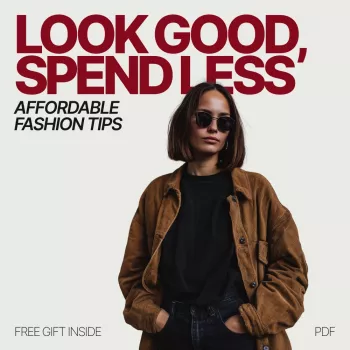
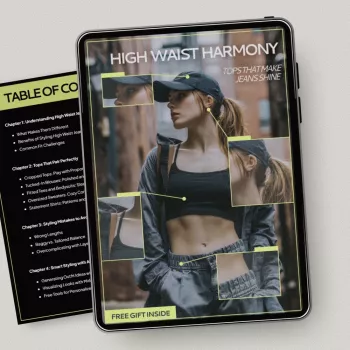
If you want a structured way to turn AI suggestions into repeatable outfits, Smart Style on Any Budget – AI Fashion Guide is designed as a step-by-step system: define your preferences, set spending rules, and build outfit formulas for work and weekends.
For a “spend” example that can anchor multiple outfits, consider a high-impact outerwear piece like the Versace Reversible Jacket with Iconic Barocco Pattern—the kind of item an AI tool might identify as a wardrobe multiplier if it matches your palette and can be styled both casually and dressed up.
If you’re also shopping for practical digital reading beyond fashion, Understanding Attachment Theory for Parents is available as a digital download.
FAQ
Can AI really help if the budget is tight?
Yes—when you set firm price ceilings and request substitutions, AI can prioritize versatile basics and propose lower-cost alternatives that still match your preferred silhouettes and colors.
How do you make AI recommendations work for your body shape and comfort needs?
Provide measurements, fit preferences (rise, inseam, sleeve length), and comfort constraints (stretch, waist pressure), then require options that meet those rules and ask for styling tweaks that balance proportions.
Is it safe to share personal details with AI styling tools?
Share only what’s necessary (sizes and preferences), avoid sensitive personal data, and review the tool’s privacy policy so you understand what’s stored and how it’s used.













Leave a comment