-
Shop
- Advanced Technologies
- Beauty
- Best-Sellers
- Car Accessories
- Dating & Social Skills
- Digital Resources
- AI & Technology
- AI Skills
- Car Buying & Ownership
- Cozy Feast Collection
- Electronics & Technology
- Emotional Intelligence
- Financial Education
- Hobbies
- Home Styling & Organization
- Kitchen & Recipes
- Mindfulness
- Mindset
- Online Business
- Parenting & Child Development
- Pet Lifestyle & Wellness
- Positive Thinking
- Productivity
- Self Confidence
- Sleep Improvement
- Smart Life with AI
- Stress Management & Relaxation
- Travel Planning
- Yoga & Fitness
- Yoga & Mind-Body Practices
- Education & Learning
- Family & Parenting
- Fashion
- Fashion Accessories
- Furniture
- Gadgets
- Health & Beauty
- Health & Wellness
- Home & Garden
- Home Supplies
- Kids & Babies
- Kitchen
- Kitchen Best-Sellers
- Lighting
- Patio, Lawn & Garden
- Personal Growth
- Personal Style & Fashion
- Pet Care
- Pet Supplies
- Pets
- Sport & Outdoors
- Super Deals
- TikTok Growth & Monetization Mastery
- Travel
- Wealth
- Wealth Building
- Budgeting & Saving
- Cryptocurrency Investing
- Debt Management
- Entrepreneurship & Business Growth
- Family Finance & Budgeting
- Financial Independence
- Financial Mindset & Psychology
- Financial Planning
- Frugal Living & Expense Hacks
- Goal Setting
- High-Income Skills
- Investing Basics
- Leadership
- Motivation
- Networking & Mentorship
- Passive Income Strategies
- Real Estate Investing
- Side Hustles
- Stock Market Investing
- Wellness
- Popular
- Best deals
6 Examples of Emotional Connection With Your Child

Can you give me some examples of emotional connection?
Emotional connection is the feeling that you and your child understand, value, and can turn to each other. It often grows through ordinary moments: listening after a hard day, sharing a laugh, or offering comfort without rushing to solve a problem.
You don’t need a perfect conversation or a full afternoon together. Small, consistent gestures can help your child feel seen and supported.
Listening without immediately fixing
If your child says a friend was unkind, you might put down your phone and say, “That sounds hurtful. Do you want to tell me what happened?” Giving them room to talk shows that their feelings matter, even when you can’t change the situation.
Sharing a few minutes of focused attention
Let your child choose a short activity, such as drawing, building, or telling you about a game they enjoy. Follow their lead and notice what interests them. Ten attentive minutes can feel more connecting than a longer stretch spent multitasking.
Naming and accepting feelings
When your child is frustrated, try saying, “You’re disappointed that we have to leave.” You can acknowledge the feeling while keeping a boundary: “It’s time to go, and I’ll help you put your shoes on.”
Creating a small ritual
A morning high-five, a walk after school, or a question you ask at dinner can become a dependable point of connection. You might use a notebook to exchange notes or keep a few art supplies handy for drawing together. Choose simple materials your child can use comfortably, and keep small pieces away from young children who might put them in their mouths.
Repairing after a difficult moment
Connection also includes coming back together after a disagreement. If you raised your voice, you could say, “I’m sorry I yelled. You didn’t deserve that. Let’s try again.” A sincere apology shows your child that relationships can recover when someone makes a mistake.
Noticing what your child shares
When your child proudly shows you a drawing or remembers a detail from their day, pause and respond with interest. “You used so many colors—tell me about this part” invites conversation without judging the result.
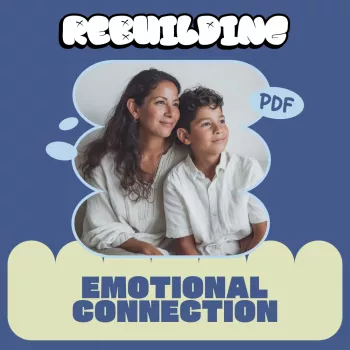
For more ways to make connection part of your routine, explore our guide to rebuilding emotional connection with your child.
FAQ
What can I do when my child doesn’t want to talk?
Give your child space and let them know you’re available when they’re ready. Sitting nearby, taking a walk, or doing an activity together can offer companionship without pressure to talk.
Recommended for you


Vintage Cotton Velvet Rug for Kitchens and Hallways
Oct 28, 2026
How to Style Women’s Floral Print Casual Sneakers
Oct 28, 2026













Leave a comment