


What Does Brave Hearts Mean? Courage for Kids
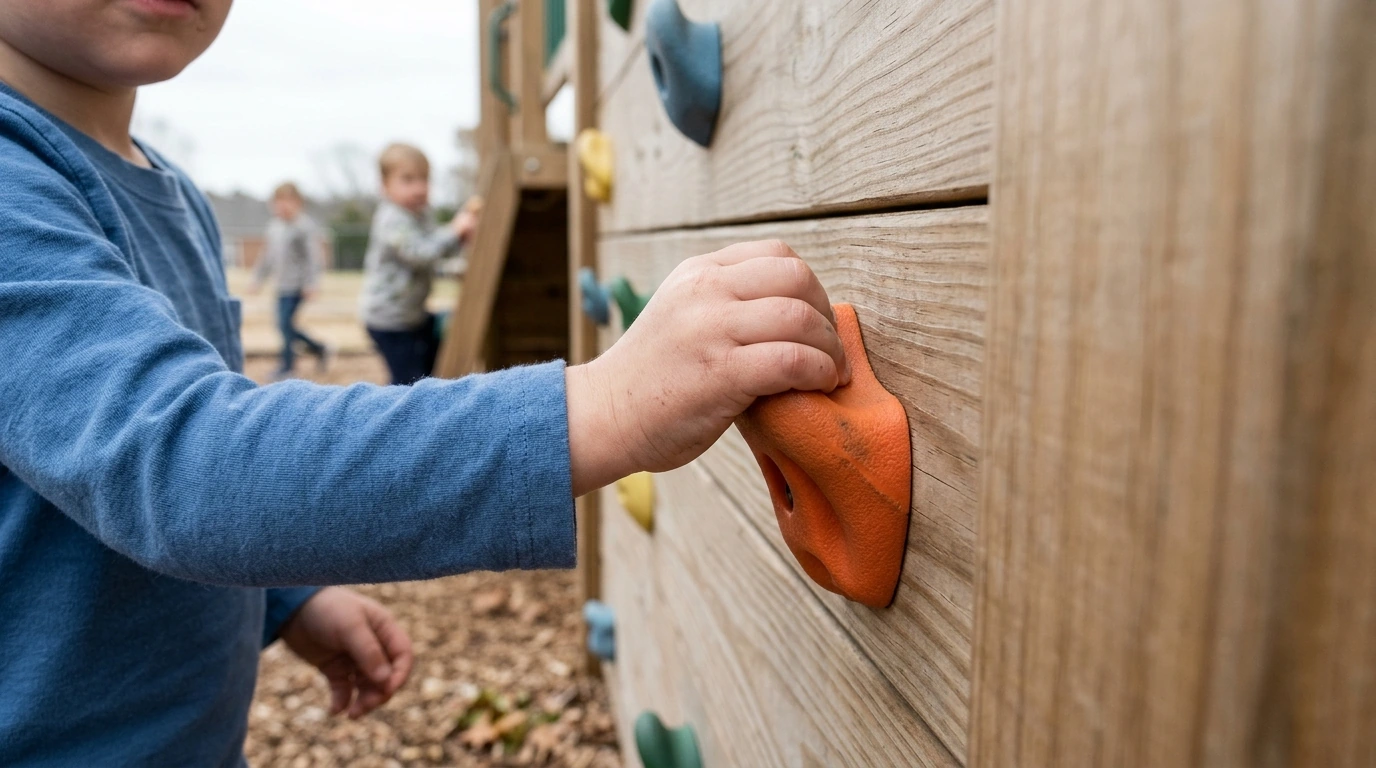
What is the meaning of brave hearts?
“Brave hearts” describes people who show courage when something feels difficult, unfamiliar, or frightening. A brave heart is not someone who never feels afraid. It is someone who recognizes those feelings and still takes a helpful step forward.
For a child, that step might be joining a new game, asking for help, or trying again after a mistake. For an adult, it might mean having a hard conversation or supporting someone else through a challenge. The phrase can celebrate both big acts of courage and the quiet, everyday kind.
How can you explain a brave heart to a child?
Keep the idea simple: “A brave heart means you can feel nervous and still try.” Children do not have to solve every problem alone to be brave. Taking a break, asking a trusted adult for support, or saying no to something unsafe can be brave choices, too.
Give your child examples they can recognize. Walking into a new classroom with your hand to hold is one kind of courage. Telling a friend, “I don’t like that,” is another. Naming these moments helps children see bravery as a skill they can practice rather than a trait they either have or lack.
How can you encourage a brave heart?
Start with small challenges that match your child’s comfort level. If speaking in a group feels overwhelming, your child might first practice sharing an idea with you. Celebrate the effort without demanding a perfect result.
Here are a few ways our team recommends making courage part of your routine:
- Play pretend: Use dolls or stuffed animals to practice meeting someone new or asking for help.
- Name the feeling: Say, “It looks like you felt nervous, and you tried anyway.”
- Offer a choice: Let your child pick one manageable first step, such as watching a game before joining.
- Model courage: Share an age-appropriate moment when you felt unsure and kept going.
For more playful ways to build confidence, explore our guide to preschool self-esteem activities and confidence games.
FAQ
Is asking for help a sign of courage?
Yes. Asking for help means recognizing what you need and reaching out, which can take courage. For children, it also reinforces that support is part of learning.











Leave a comment