-
Shop
- Advanced Technologies
- Beauty
- Best-Sellers
- Car Accessories
- Dating & Social Skills
- Digital Resources
- AI & Technology
- AI Skills
- Car Buying & Ownership
- Cozy Feast Collection
- Electronics & Technology
- Emotional Intelligence
- Financial Education
- Hobbies
- Home Styling & Organization
- Kitchen & Recipes
- Mindfulness
- Mindset
- Online Business
- Parenting & Child Development
- Pet Lifestyle & Wellness
- Positive Thinking
- Productivity
- Self Confidence
- Sleep Improvement
- Smart Life with AI
- Stress Management & Relaxation
- Travel Planning
- Yoga & Fitness
- Yoga & Mind-Body Practices
- Education & Learning
- Family & Parenting
- Fashion
- Fashion Accessories
- Furniture
- Gadgets
- Health & Beauty
- Health & Wellness
- Home & Garden
- Home Supplies
- Kids & Babies
- Kitchen
- Kitchen Best-Sellers
- Lighting
- Patio, Lawn & Garden
- Personal Growth
- Personal Style & Fashion
- Pet Care
- Pet Supplies
- Pets
- Sport & Outdoors
- Super Deals
- TikTok Growth & Monetization Mastery
- Travel
- Wealth
- Wealth Building
- Budgeting & Saving
- Cryptocurrency Investing
- Debt Management
- Entrepreneurship & Business Growth
- Family Finance & Budgeting
- Financial Independence
- Financial Mindset & Psychology
- Financial Planning
- Frugal Living & Expense Hacks
- Goal Setting
- High-Income Skills
- Investing Basics
- Leadership
- Motivation
- Networking & Mentorship
- Passive Income Strategies
- Real Estate Investing
- Side Hustles
- Stock Market Investing
- Wellness
- Popular
- Best deals
Magnetic Wrap & Foil Dispenser: Quick Clean Slide Cuts
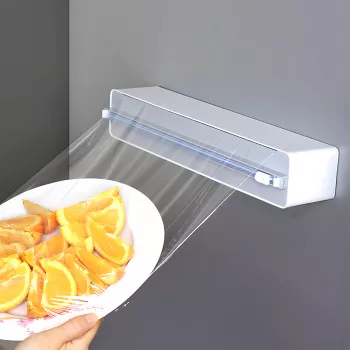
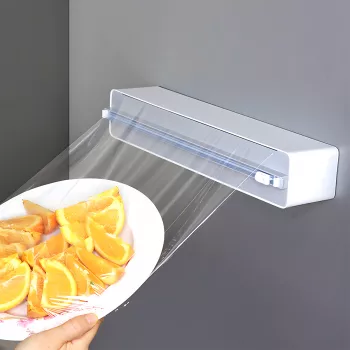
Magnetic Plastic Wrap & Foil Dispenser with Slide Cutter: Faster Wraps, Cleaner Lines, Less Waste
Plastic wrap and foil are kitchen staples—until the box crushes, the roll jumps, and the edge disappears. A magnetic dispenser with a slide cutter keeps the roll controlled and the cut consistent, so covering leftovers, lining trays, and prepping ingredients feels quick and tidy instead of frustrating.
Our team built this guide around the real moments you deal with every week: packing lunches, saving half a casserole, and getting trays ready without wasting half a roll. If you’re ready to make “wrap time” feel more like a smooth routine than a mini wrestling match, our Magnetic Plastic Wrap & Foil Dispenser with Slide Cutter is designed for exactly that.
What this dispenser solves in everyday kitchens
- Stops the roll from sliding out of the box or free-spinning when you pull wrap or foil.
- Helps produce straighter cuts with less tearing and bunching, especially when you’re working one-handed.
- Keeps the cutting edge contained, reducing the chance of nicking fingers compared with exposed serrated box edges.
- Creates a more organized storage routine: the dispenser stays where it’s placed (magnetic placement on suitable metal surfaces) instead of getting buried in a drawer.
- Encourages using the right amount—clean cuts make it easier to avoid oversized sheets that waste material.
Common kitchen tasks and how a slide-cutter dispenser helps
| Kitchen task | Typical hassle | How the dispenser helps | Quick tip |
|---|---|---|---|
| Covering leftovers in bowls/plates | Wrap sticks to itself or tears mid-pull | Controlled feed makes it easier to lay a single sheet flat | Pull a little past the edge, then cut—avoid stretching wrap too tight |
| Wrapping sandwiches or snacks | Jagged edges create gaps and unwrap easily | Straighter cuts give more even coverage | Cut a slightly longer piece and fold ends under for a tighter seal |
| Lining baking trays with foil | Foil crumples or rips when trying to “measure” against the pan | Consistent sheet length is easier to repeat | Pre-cut one sheet to size, then use it as a reference for the next |
| Freezer prep (double-wrap items) | Hard to keep sheets neat while handling cold/frosty items | Cleaner cuts reduce tangles and rework | Label before wrapping so you’re not writing on a slippery surface |
How the magnetic mounting fits into your workflow
The biggest change most people notice isn’t just the cutter—it’s having one dependable “wrap station.” Once you stop digging through drawers for a half-crushed box, wrapping becomes a quick step you can do without breaking your flow.
- Best placements: the side of the refrigerator, a metal shelving unit, or another clean, flat magnetic surface near your prep area.
- The goal is one consistent spot so cutting and covering can happen without hunting for the roll.
- Mount it at a comfortable height: low enough to pull smoothly, high enough to keep it away from splashes and sticky hands.
- If the surface opens often (like a fridge door), place the dispenser where it won’t bump handles or nearby items.
- Keep the mounting surface dry and free of residue for the most stable hold.
Slide cutter benefits: cleaner cuts with less effort
Boxed wrap and foil tend to fail in the same ways: the roll shifts inside the box, the sheet pulls at an angle, and the serrated edge grabs unevenly. A slide cutter gives you a fixed cutting path, so you’re not relying on luck and perfect tension to get a clean line.
- A slide cutter guides the cut along a fixed track, which helps reduce the diagonal-rip problem.
- More predictable sheet sizes make meal prep faster: repeatable lengths for trays, bowls, and packed lunches.
- Less bunching means fewer wasted sheets when the roll tangles or folds onto itself.
- Safer handling: the cutting mechanism stays in place rather than leaving an exposed serrated edge in your hand.
- Helpful when multitasking: cut a sheet quickly, then move straight to sealing containers or wrapping ingredients.
Where it makes the biggest difference (and where it doesn’t)
- Biggest difference for: busy households, frequent leftovers, packed lunches, baking days, and batch cooking sessions.
- Works especially well when multiple people share the kitchen—fewer crushed boxes and lost edges.
- If wrap/foil is only used occasionally, the main value is organization and avoiding the “torn first sheet” cycle.
- Not a replacement for food storage best practices: wrapping is only one part of safe storage and freshness.
For storage timing and safety basics, you can also reference authoritative guidance from the USDA Food Safety and Inspection Service and the U.S. Food & Drug Administration.
Care and everyday upkeep
A simple set-up routine for smoother wrapping
More from our store for smoother home routines
- Understanding Attachment Theory for Parents – A Practical Parenting Guide (Digital Download)
- The Ultimate Employee Motivation Checklist (Printable PDF Download)
FAQ
Will a magnetic wrap and foil dispenser stick to any surface?
It adheres best to suitable magnetic metal surfaces, such as many refrigerators or metal shelving units. Some stainless steel surfaces vary, so test a flat spot and make sure the area is clean and dry for the strongest hold.
Is a slide cutter safer than the serrated edge on the original box?
A slide cutter is contained and guided, which can reduce accidental contact compared with exposed serrated box edges. You should still use it carefully and keep it out of reach of children.
How do you get straighter cuts with plastic wrap?
Pull the wrap slightly past the cut line, keep light tension, smooth the sheet, then slide the cutter in one continuous motion. Avoid over-stretching the wrap, which can cause it to snap back and skew the cut.















Leave a comment