-
Shop
- Advanced Technologies
- Beauty
- Best-Sellers
- Car Accessories
- Dating & Social Skills
- Digital Resources
- AI & Technology
- AI Skills
- Car Buying & Ownership
- Cozy Feast Collection
- Electronics & Technology
- Emotional Intelligence
- Financial Education
- Hobbies
- Home Styling & Organization
- Kitchen & Recipes
- Mindfulness
- Mindset
- Online Business
- Parenting & Child Development
- Pet Lifestyle & Wellness
- Positive Thinking
- Productivity
- Self Confidence
- Sleep Improvement
- Smart Life with AI
- Stress Management & Relaxation
- Travel Planning
- Yoga & Fitness
- Yoga & Mind-Body Practices
- Education & Learning
- Family & Parenting
- Fashion
- Fashion Accessories
- Furniture
- Gadgets
- Health & Beauty
- Health & Wellness
- Home & Garden
- Home Supplies
- Kids & Babies
- Kitchen
- Kitchen Best-Sellers
- Lighting
- Patio, Lawn & Garden
- Personal Growth
- Personal Style & Fashion
- Pet Care
- Pet Supplies
- Pets
- Sport & Outdoors
- Super Deals
- TikTok Growth & Monetization Mastery
- Travel
- Wealth
- Wealth Building
- Budgeting & Saving
- Cryptocurrency Investing
- Debt Management
- Entrepreneurship & Business Growth
- Family Finance & Budgeting
- Financial Independence
- Financial Mindset & Psychology
- Financial Planning
- Frugal Living & Expense Hacks
- Goal Setting
- High-Income Skills
- Investing Basics
- Leadership
- Motivation
- Networking & Mentorship
- Passive Income Strategies
- Real Estate Investing
- Side Hustles
- Stock Market Investing
- Wellness
- Popular
- Best deals
Storage Maintenance Checklist: Daily to Seasonal Resets
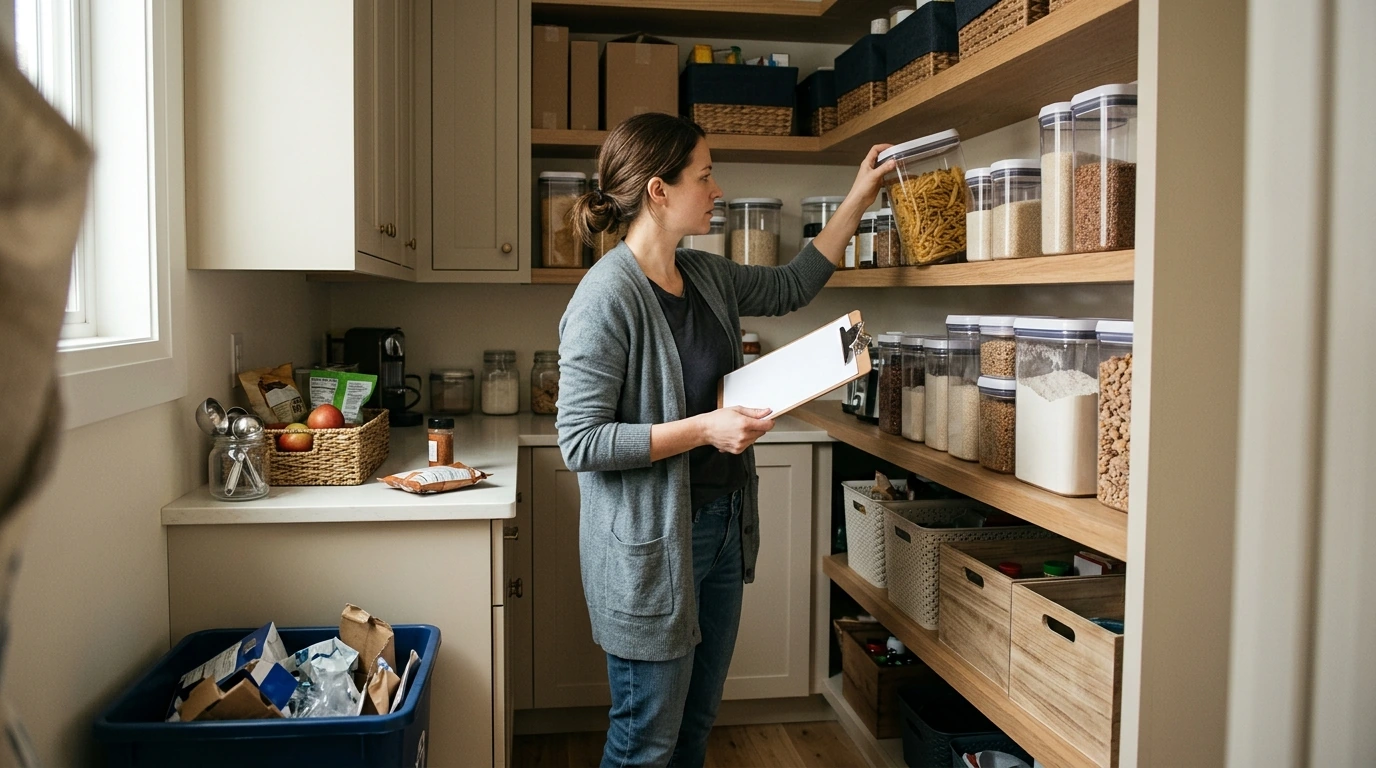
Storage That Stays Tidy: A Simple Checklist Routine for Every Space
Keeping storage areas organized is less about big cleanouts and more about small, repeatable maintenance. A clear checklist and a realistic schedule help prevent overflow, make items easier to find, and reduce the time spent re-sorting closets, cabinets, pantries, garages, and “catch-all” zones.
What “storage maintenance” actually means
Storage maintenance is the follow-up system that keeps a decluttered space from reverting back into piles, mixed categories, and mystery bins. Instead of waiting for a “reset weekend,” you’re doing small check-ins that preserve the structure you already built.
A simple maintenance routine focuses on three actions:
- Return items to a home: Put strays back where they belong (or assign a home if they don’t have one).
- Remove what no longer belongs: Toss packaging, recycle papers, and move “wrong room” items out of the space.
- Reset labels and bins when categories shift: If you hesitate when putting something away, the label or category needs an update.
The most sustainable routine matches how often the space is used. Daily-use storage (like an entryway drop zone or a snack shelf) needs quick, frequent resets; low-use storage (like holiday décor) needs less frequent but more thorough checks.
Set up storage areas for easy upkeep (before the checklist)
Maintenance is easiest when the storage area is designed for returning items quickly. Before you start a routine, tighten the “rules of the space” so decisions are simple.
- Assign one clear home per category: Backups, seasonal items, paperwork, tools, and hobby supplies each get a dedicated zone so items stop wandering (and duplicates don’t multiply).
- Use simple zones: “Use often” at eye level, “Backstock” higher or deeper, and “Rarely” in the least convenient spots.
- Choose containers that actually fit: Bins should match shelf depth and be easy to pull out. Awkward, mismatched containers waste space and make put-away harder than it needs to be.
- Label at the category level: Labels like “Batteries & Chargers” or “Baking” make resets faster than item-by-item labeling.
If you want a ready-to-use routine you can post where you’ll see it, How to Maintain Your Storage Areas Checklist (digital download) works well as a simple “do this, then stop” guide.
A realistic reset schedule (daily, weekly, monthly, seasonal)
Most storage areas don’t need a full reorganization to stay tidy—they need micro-resets. Think 5–15 minutes to keep things from building up, then occasional deeper reviews to catch duplicates, damage, and changing needs. For consistency, tie a reset to routines you already do: trash day, grocery day, end-of-month bill pay, or daylight savings.
Storage Maintenance Schedule (Quick Reference)
| Frequency | Time | Best for | Tasks |
|---|---|---|---|
| Daily (as needed) | 2–5 min | Entryway drop zone, kitchen cabinets, kids’ items | Return strays; wipe one surface; empty one small bin/tray; reset “landing spot” |
| Weekly | 10–20 min | Pantry, fridge overflow bins, bathroom storage | Toss packaging; consolidate duplicates; quick inventory of staples; reset labels if categories drift |
| Monthly | 20–45 min | Closets, linen storage, office paperwork | Donate/relocate items; check for broken/missing parts; review “misc” bins; update a shopping/replace list |
| Seasonal (3–4x/year) | 45–90 min | Garage, attic/basement, holiday décor, seasonal clothing | Swap seasonal items; pest/moisture check; re-box fragile items; confirm safe storage conditions |
Room-by-room checklist prompts (use what applies)
Use these prompts as quick scan lists—no need to do everything at once. Pick the highest-impact tasks for that space and run a timer.
Pantry
- Group by type (breakfast, baking, snacks) so family members put items back in the right zone.
- Check dates and rotate older items forward.
- Keep a “use first” bin for open bags and items near expiration.
- Before shopping, do a 60-second inventory to avoid overbuying.
Bathroom
- Discard empties immediately (they multiply fast in drawers).
- Corral duplicates and separate daily items from backups.
- Wipe product spills so bins don’t get sticky and attract clutter.
Closets
Garage or storage shed
- Keep the floor clear for safety and easier sweeping.
- Store chemicals upright and in a stable, designated area; follow general home safety guidance from NFPA home safety resources.
- Group tools by task (painting, yardwork, auto, basic repairs).
- Use clear bins for small parts so you can check inventory at a glance.
- Watch for moisture and pests; mold prevention basics are covered by the CDC’s mold guidance and the EPA’s mold resources.
Paper and misc storage
Common problems and quick fixes that prevent backsliding
If consistency is the hard part, a simple accountability tool can help. Some households pair home routines with a separate checklist habit for follow-through, like The Ultimate Employee Motivation Checklist (Printable PDF Download), to keep the “small steps, often” mindset going.
Printable checklist system: how to use it without adding more clutter
FAQ
How often should storage areas be cleaned and reorganized?
High-use storage usually stays under control with short weekly resets, while closets and office storage benefit from a monthly review. Garages, attics, and other low-use areas typically need seasonal deep checks, with timing adjusted for household size and how quickly categories fill up.
What’s the fastest way to maintain an organized pantry or closet?
Return items to a labeled home, keep one “use first” (pantry) or “donation” (closet) bin, and do a 10-minute weekly reset. Removing packaging, consolidating duplicates, and clearing strays prevents the slow buildup that triggers full reorganizations.
Is a printable checklist better than a phone note for decluttering maintenance?
A printable checklist works best when it’s posted where the action happens, so you can follow it without hunting for it. A phone note is more portable, so the best choice is whichever option you’ll actually see and use consistently.















Leave a comment