-
Shop
- Advanced Technologies
- Beauty
- Best-Sellers
- Car Accessories
- Dating & Social Skills
- Digital Resources
- AI & Technology
- AI Skills
- Car Buying & Ownership
- Cozy Feast Collection
- Electronics & Technology
- Emotional Intelligence
- Financial Education
- Hobbies
- Home Styling & Organization
- Kitchen & Recipes
- Mindfulness
- Mindset
- Online Business
- Parenting & Child Development
- Pet Lifestyle & Wellness
- Positive Thinking
- Productivity
- Self Confidence
- Sleep Improvement
- Smart Life with AI
- Stress Management & Relaxation
- Travel Planning
- Yoga & Fitness
- Yoga & Mind-Body Practices
- Education & Learning
- Family & Parenting
- Fashion
- Fashion Accessories
- Furniture
- Gadgets
- Health & Beauty
- Health & Wellness
- Home & Garden
- Home Supplies
- Kids & Babies
- Kitchen
- Lighting
- Patio, Lawn & Garden
- Personal Growth
- Personal Style & Fashion
- Pet Care
- Pet Supplies
- Pets
- Sport & Outdoors
- Super Deals
- TikTok Growth & Monetization Mastery
- Travel
- Wealth
- Wealth Building
- Budgeting & Saving
- Cryptocurrency Investing
- Debt Management
- Entrepreneurship & Business Growth
- Family Finance & Budgeting
- Financial Independence
- Financial Mindset & Psychology
- Financial Planning
- Frugal Living & Expense Hacks
- Goal Setting
- High-Income Skills
- Investing Basics
- Leadership
- Motivation
- Networking & Mentorship
- Passive Income Strategies
- Real Estate Investing
- Side Hustles
- Stock Market Investing
- Wellness
- Popular
- Best deals
Sunburn Recovery Checklist: Fast Relief in 5 Days
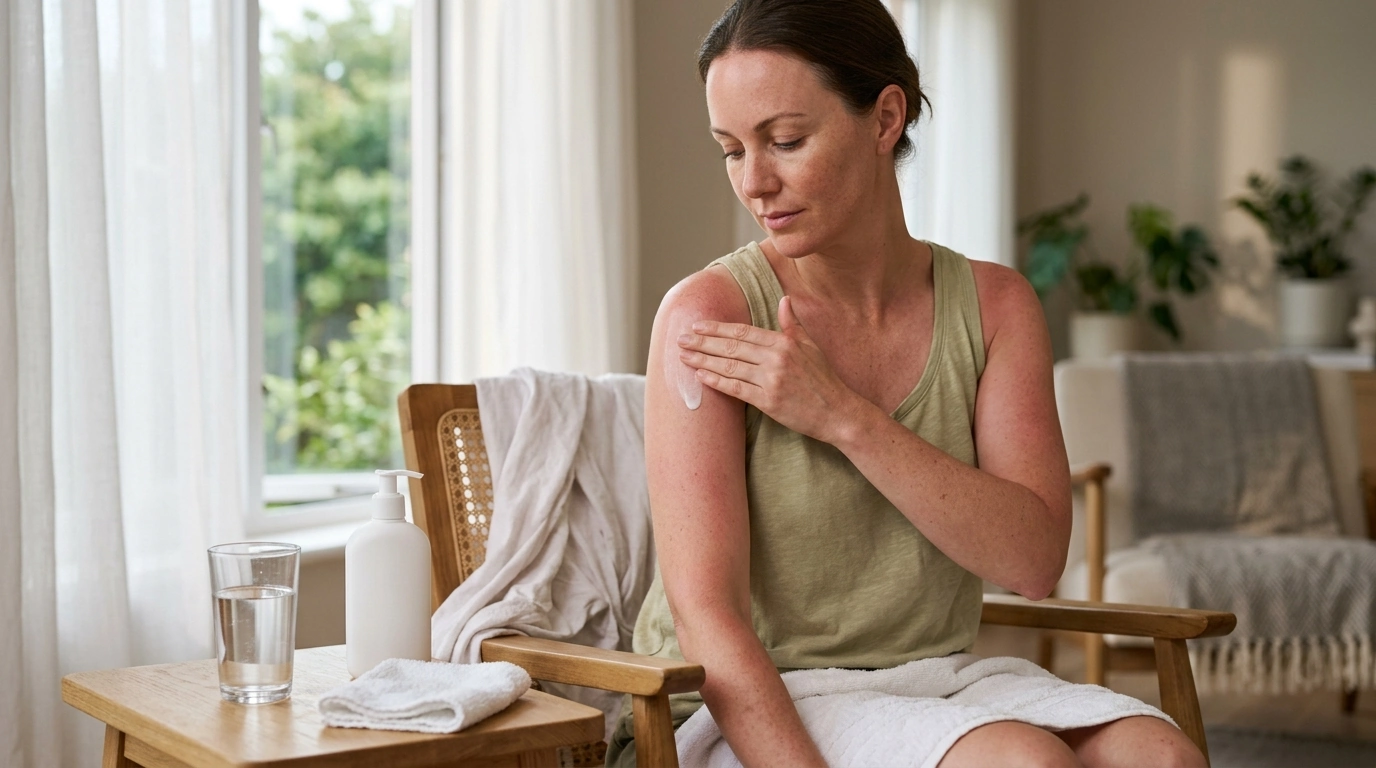
Bouncing Back from Sunburn: A Simple Recovery Checklist for Faster Relief
Sunburn can sneak up fast and leave skin feeling hot, tight, and uncomfortable for days. The goal after a burn is to cool the skin, support the moisture barrier, reduce inflammation, and watch for signs that need medical attention. The checklist below focuses on practical, gentle steps that help skin feel better sooner—without irritating already-injured skin.
First hour: calm the heat and stop the damage from getting worse
The first 60 minutes are about getting skin out of “overheating mode” and preventing additional UV exposure. Even if you feel fine, the redness and tenderness can continue to develop for hours.
- Get out of the sun immediately and move to shade or indoors; avoid more UV exposure for the rest of the day.
- Cool the skin with a cool (not icy) shower, bath, or compresses for 10–15 minutes at a time; repeat as needed.
- Pat skin dry (don’t rub) and apply a fragrance-free moisturizer while skin is slightly damp to lock in water.
- Drink water right away; sunburn pulls fluid toward the skin and can contribute to dehydration.
- Avoid petroleum-heavy occlusives on very hot skin during the first heat phase if it traps heat; switch to light, soothing moisturizers until skin cools.
Quick checklist by time frame
| Time | Do this | Avoid this |
|---|---|---|
| 0–1 hour | Cool shower/compresses, hydrate, moisturize on damp skin | Ice directly on skin, hot showers, scrubbing |
| Day 1 | Loose clothing, gentle cleanser, reapply moisturizer, limit heat exposure | Fragrance, exfoliating acids, retinoids, alcohol-heavy toners |
| Days 2–3 | Keep moisturizing, consider colloidal oatmeal bath, protect peeling areas | Peeling/picking, tight clothing, long hot baths |
| Until healed | Broad-spectrum sunscreen + cover up when outdoors, prioritize hydration | Intentional tanning, unprotected exposure, harsh “after-sun” products |
Day 1: reduce discomfort and support the skin barrier
Once the skin has cooled, the next step is steady comfort care. Think “simple, bland, and consistent” so the barrier can recover.
- Moisturize often with a fragrance-free lotion or gel-cream; reapply whenever skin feels tight.
- Choose soothing ingredients such as aloe vera, glycerin, ceramides, or colloidal oatmeal; keep formulas simple.
- Wear loose, breathable clothing to reduce friction and heat retention (especially across shoulders, chest, and thighs).
- If discomfort is significant, consider an over-the-counter anti-inflammatory pain reliever if appropriate for your health history and label directions.
- Skip pools and hot tubs until skin settles; chlorine and heat can worsen irritation and dryness.
For treatment basics backed by dermatology guidance, see the American Academy of Dermatology Association’s sunburn treatment tips.
Days 2–5: peeling, itch, and dryness—what helps (and what makes it worse)
Peeling can feel alarming, but it’s a common part of recovery. The priority is to keep skin comfortable and avoid turning a superficial burn into a deeper irritation.
- Expect peeling as the skin repairs; keep peeling areas moisturized and let flakes shed naturally.
- If itching is bothersome, cool compresses and a bland moisturizer can help; avoid scratching to prevent infection.
- Switch to gentle cleansing: lukewarm water, mild cleanser, no washcloth friction on tender spots.
- Avoid exfoliants (scrubs, AHAs/BHAs), retinoids, and strong fragranced products until fully healed.
- If blisters form, don’t pop them; protect with a non-stick dressing and seek medical advice if extensive.
Sun protection matters even during recovery. The CDC’s sun safety guidance is a helpful refresher for preventing repeat burns while skin is vulnerable.
When to get medical help
Most mild-to-moderate sunburns improve with home care, but certain symptoms signal that you need prompt medical evaluation.
- Seek urgent care for signs of heat illness: confusion, fainting, severe headache, rapid pulse, or persistent vomiting.
- Get medical advice for severe sunburn: large or widespread blistering, severe swelling, fever/chills, or pain that isn’t improving.
- Watch for infection signs on blistered or broken skin: increasing redness, warmth, pus, or red streaking.
- Babies and young children with sunburn should be evaluated promptly due to higher risk of complications.
Prevent the next burn while this one heals
Healing skin is extra reactive—meaning a “small” exposure can feel bigger and may increase the chance of uneven pigmentation. Prevention now is part of recovery.
- Avoid direct sun until redness and tenderness resolve.
- Use broad-spectrum sunscreen (SPF 30 or higher) when outdoors, and reapply at least every 2 hours and after swimming/sweating.
- Add physical protection: wide-brim hat, UPF clothing, sunglasses, shade breaks during peak hours.
- Treat sunburn as a signal to adjust habits—burns increase long-term skin cancer risk.
Printable recovery checklist (digital download)
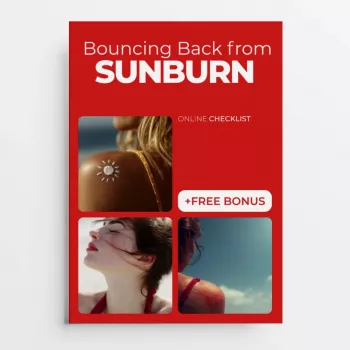
When skin feels miserable, it’s easy to forget what helps (and accidentally do what stings). A ready-to-use checklist keeps the next steps simple: cooling reminders, hydration prompts, product do’s/don’ts, and red-flag symptoms to watch for.
Bouncing Back from Sunburn – Easy Sunburn Recovery Tips Checklist (instant digital download)
More instant-download guides you may like
- Understanding Attachment Theory for Parents – A Practical Parenting Guide (Digital Download)
- The Ultimate Employee Motivation Checklist: Spark Your Team’s Drive in 7 Easy Steps! (Printable PDF Download)
FAQ
Should aloe vera be used on sunburn?
Generally yes—if it’s a simple, fragrance-free aloe product. Apply it after cooling the skin, and avoid aloe formulas that contain alcohol or heavy fragrance that can sting.
Is it okay to put ice on a sunburn?
Avoid direct ice contact because it can further injure already-damaged skin. Use cool compresses or a cool shower instead, and take breaks so skin can warm back up between cooling sessions.
What should be avoided on sunburned skin?
Avoid hot showers, scrubs, exfoliating acids, retinoids, fragranced products, and picking at peeling skin. If blisters appear, don’t pop them—protect them and seek medical advice if they’re widespread or severe.















Leave a comment