-
Shop
- Advanced Technologies
- Beauty
- Best-Sellers
- Car Accessories
- Dating & Social Skills
- Digital Resources
- AI & Technology
- AI Skills
- Car Buying & Ownership
- Cozy Feast Collection
- Electronics & Technology
- Emotional Intelligence
- Financial Education
- Hobbies
- Home Styling & Organization
- Kitchen & Recipes
- Mindfulness
- Mindset
- Online Business
- Parenting & Child Development
- Pet Lifestyle & Wellness
- Positive Thinking
- Productivity
- Self Confidence
- Sleep Improvement
- Smart Life with AI
- Stress Management & Relaxation
- Travel Planning
- Yoga & Fitness
- Yoga & Mind-Body Practices
- Education & Learning
- Family & Parenting
- Fashion
- Fashion Accessories
- Furniture
- Gadgets
- Health & Beauty
- Health & Wellness
- Home & Garden
- Home Supplies
- Kids & Babies
- Kitchen
- Kitchen Best-Sellers
- Lighting
- Patio, Lawn & Garden
- Personal Growth
- Personal Style & Fashion
- Pet Care
- Pet Supplies
- Pets
- Sport & Outdoors
- Super Deals
- TikTok Growth & Monetization Mastery
- Travel
- Wealth
- Wealth Building
- Budgeting & Saving
- Cryptocurrency Investing
- Debt Management
- Entrepreneurship & Business Growth
- Family Finance & Budgeting
- Financial Independence
- Financial Mindset & Psychology
- Financial Planning
- Frugal Living & Expense Hacks
- Goal Setting
- High-Income Skills
- Investing Basics
- Leadership
- Motivation
- Networking & Mentorship
- Passive Income Strategies
- Real Estate Investing
- Side Hustles
- Stock Market Investing
- Wellness
- Popular
- Best deals
Versace Barocco Reversible Jacket: Fit, Style & Care

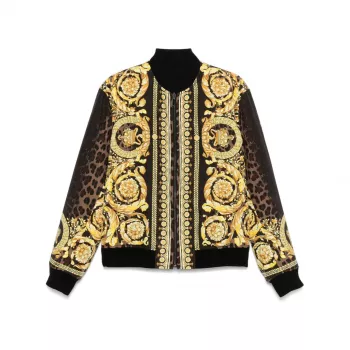
Versace Reversible Jacket with Iconic Barocco Pattern
A reversible jacket that switches from a statement Barocco side to a quieter, more understated face gives genuine versatility without sacrificing luxury impact. Done well, it feels like two outerwear pieces in one: one that signals the house instantly, and another that slides into an elevated everyday rotation with minimal effort. Below are the design cues that separate a truly premium reversible from a “flip-it-once” novelty, along with styling, fit, and care guidance to keep both sides looking crisp.
What makes a reversible Barocco jacket stand out
Reversibility works best when it’s not treated as an afterthought. The strongest designs are built to be worn either way—meaning comfort, finishing, and proportions make sense on both “fronts,” not just the Barocco-forward moment.
- Reversibility as a functional feature: two wearable faces often differ in color story, texture, and how visible the branding is—so the jacket can read bold one day and refined the next.
- The Barocco motif as a house code: ornate, high-contrast patterning registers instantly as Versace and tends to photograph with dramatic depth.
- Better cost-per-wear potential: styling flexibility makes it easier to reach for the same jacket across casual denim days, smart-casual dinners, and travel.
- Best use cases: packing light, quick day-to-night switches, and flexible layering when weather shifts.
Design details to look for on both sides
A reversible jacket should look intentional from every angle—especially in motion, when misaligned prints or bulky seams become obvious. Before committing, scan both sides for these quality signals.
- Pattern placement: Barocco elements should feel balanced across the front and sleeves; clean alignment at major seams elevates the look immediately.
- Branding elements: zipper pulls, hardware, and neck labels should stay neat when reversed (no awkward exposure or twisting).
- Pocket strategy: ideally, pockets remain usable on both sides without creating flaps or openings that sit strangely when flipped.
- Closures and finishing: zippers/snaps should glide smoothly and lie flat on either face; plackets shouldn’t torque or ripple.
- Collar/hood behavior: check that the collar reads “designed” in both configurations and doesn’t bunch at the neckline when reversed.
| Feature | What to look for | Why it matters |
|---|---|---|
| Reversible construction | Clean finishing and comfortable seams on both sides | Prevents scratchy wear and keeps the “second look” truly wearable |
| Pattern execution | Symmetry/continuity at key seams and centered visual balance | Elevates perceived quality and photographs better |
| Hardware | Secure, smooth zipper/snaps; consistent plating color | Improves durability and keeps the jacket looking polished |
| Pockets | Usable pockets without awkward flaps when reversed | Maintains practicality in both styles |
| Hem and cuffs | Even stitching, resilient elastic/knit where present | Helps shape retention and long-term wear |
Fit, comfort, and layering considerations
Because reversible jackets effectively carry two exterior-worthy surfaces, they often feel slightly more structured than a single-layer alternative. That extra body can be a plus—provided the fit supports movement.
- Expect a touch more structure: double-sided construction can add weight; check comfort through shoulders, upper back, and chest.
- Plan your layers: if it’s meant for cooler months, make sure it accommodates a knit sweater or hoodie without pulling at the zipper.
- Length changes the styling: cropped silhouettes emphasize the waist and work well with higher-rise trousers; hip-length options pair naturally with denim and tailoring.
- Mobility points matter: armhole height and sleeve shaping affect comfort, especially if the fabric has limited stretch.
- Match the jacket to your temperature range: treat it as lightweight, transitional, or a layering shell depending on how it’s used most in your rotation.
How to style it: two looks from one jacket
The easiest way to make a Barocco reversible feel elevated is to let each side “do its job.” When the print is out, simplify everything else. When the quieter face is out, you can introduce more texture and accessories.
Care, storage, and longevity
- Follow the care label precisely: reversible pieces may combine fabrics and trims with different sensitivities. For general guidance on why labels matter, review the FTC’s overview of the Care Labeling Rule.
- Spot-clean quickly: blot (don’t rub) to protect printed areas and reduce the chance of dulling the finish.
- Store with support: hang on a structured hanger to preserve shoulder shape; avoid tight folding that can crease prints or compress insulation.
- Protect the hardware: keep zippers clear of lint; close zippers/snaps before storage to reduce stress along edges.
- Travel smart: pack with the more durable side facing outward and use a garment bag to reduce friction against the patterned surface.
For brand references, collections, and official styling cues, visit the Versace official website.
Authenticity and purchase checks
Shop in-stock picks
- Versace Reversible Jacket with Iconic Barocco Pattern — $1618.60
- Vibration Plate Exercise Machine for Pain Relief, Sleep Aid & Fat Burning — $69.82
- The Ultimate Employee Motivation Checklist: Spark Your Team’s Drive in 7 Easy Steps! (Printable PDF Download) — $3.99
FAQ
How do reversible jackets work without looking bulky?
They’re built with two finished surfaces and cleaner seam treatments so either side can face outward. Some added structure is normal, but the jacket should still drape smoothly at the shoulders and zip without pulling.
How should a Barocco-pattern jacket be styled without overpowering the outfit?
Keep the rest of the outfit solid and neutral, and avoid competing prints. Try a simple formula like “Barocco jacket + black tee + dark denim” or “Barocco jacket + cream knit + tailored black trousers,” then echo one accent color from the print once.
What’s the safest way to clean and store a reversible designer jacket?
Follow the care label, spot-clean promptly by blotting, and use a supportive hanger to maintain shape. If the label calls for professional cleaning, don’t substitute DIY methods that can dull prints or stress trims.











Leave a comment