-
Shop
- Advanced Technologies
- Beauty
- Best-Sellers
- Car Accessories
- Dating & Social Skills
- Digital Resources
- AI & Technology
- AI Skills
- Car Buying & Ownership
- Cozy Feast Collection
- Electronics & Technology
- Emotional Intelligence
- Financial Education
- Hobbies
- Home Styling & Organization
- Kitchen & Recipes
- Mindfulness
- Mindset
- Online Business
- Parenting & Child Development
- Pet Lifestyle & Wellness
- Positive Thinking
- Productivity
- Self Confidence
- Sleep Improvement
- Smart Life with AI
- Stress Management & Relaxation
- Travel Planning
- Yoga & Fitness
- Yoga & Mind-Body Practices
- Education & Learning
- Family & Parenting
- Fashion
- Fashion Accessories
- Furniture
- Gadgets
- Health & Beauty
- Health & Wellness
- Home & Garden
- Home Supplies
- Kids & Babies
- Kitchen
- Kitchen Best-Sellers
- Lighting
- Patio, Lawn & Garden
- Personal Growth
- Personal Style & Fashion
- Pet Care
- Pet Supplies
- Pets
- Sport & Outdoors
- Super Deals
- TikTok Growth & Monetization Mastery
- Travel
- Wealth
- Wealth Building
- Budgeting & Saving
- Cryptocurrency Investing
- Debt Management
- Entrepreneurship & Business Growth
- Family Finance & Budgeting
- Financial Independence
- Financial Mindset & Psychology
- Financial Planning
- Frugal Living & Expense Hacks
- Goal Setting
- High-Income Skills
- Investing Basics
- Leadership
- Motivation
- Networking & Mentorship
- Passive Income Strategies
- Real Estate Investing
- Side Hustles
- Stock Market Investing
- Wellness
- Popular
- Best deals
Magnetic Brake Baitcasting Reel: Setup and Practice
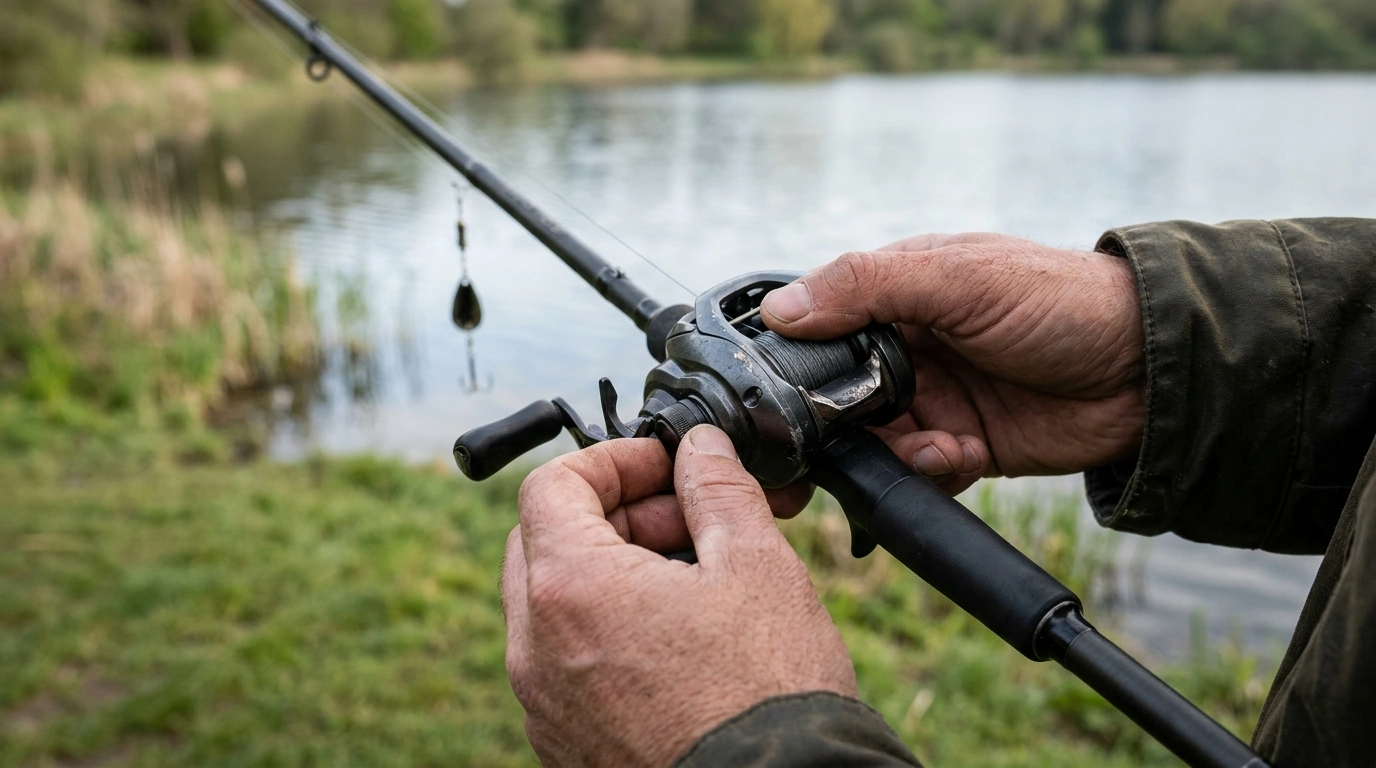
A baitcasting reel gives you direct control over a cast, but that control takes practice. If you’re learning, it helps to have a way to slow the spool while you work on your casting motion. Our High-Performance Baitcasting Reel with Magnetic Brake and 12+1 Bearings offers adjustable magnetic braking and a stated 12+1 bearing configuration. Here’s how to use those features—and what else to consider before you head to the water. For more guidance, see Jan 25 Review-Booyah Lures.
What the magnetic brake does
When you cast a baitcaster, the spool turns to release line. If it keeps spinning faster than line leaves the reel, loose line can collect on the spool and create a backlash. A magnetic brake helps manage spool speed during the cast. It gives you an adjustment to work with, not a guarantee that every cast will be tangle-free. For further reading, see Minimum weight req. for baitcasting reels..
A useful starting approach is to set more braking, make a few controlled casts, and then reduce the braking in small steps. Pay attention to what happens near the end of each cast, when the lure slows down. If the spool starts to overrun, add braking again or adjust your technique before trying for more distance.
Your thumb still matters. So does setting spool tension appropriately for your setup. Use a smooth casting motion and be ready to control the spool as the lure lands. The brake can make changes easier to manage, but it cannot replace the feel you develop through practice.
What 12+1 bearings tell you—and what they don’t
The reel’s 12+1 figure is its stated bearing configuration. That number tells you something about the reel’s listed construction, but it does not, by itself, tell you how far you’ll cast or how long the reel will last. We would not choose a baitcaster on bearing count alone.
Consider how a reel feels in your hand, whether its controls are comfortable to use, and how it behaves with the rod, line, and lures you plan to fish. Maintenance matters, too: a reel that is used and cared for according to its supplied instructions has a better chance of performing consistently than one whose bearing count simply looks impressive on paper.
Match the reel to the way you fish
Before choosing a reel, picture a typical day of fishing. What lure weights do you use most often? Which rod will you pair with the reel? What line suits your conditions, and how familiar are you with baitcasting? Those choices affect casting behavior, so it’s worth considering them together rather than treating the reel as a standalone purchase.
Adjustable braking can be especially helpful when you’re learning a new casting motion or changing lures. Wind can change how a lure travels, too. When conditions shift, make a controlled cast and adjust in small increments instead of assuming the setting that worked earlier will still feel right.
Our High-Performance Baitcasting Reel with Magnetic Brake and 12+1 Bearings is an option if magnetic brake adjustment is high on your list. If your setup depends on a particular reel size, gear ratio, line capacity, or other specification, confirm that detail before deciding; the brake and bearing count do not answer every pairing question.
A simple setup checklist
| Before you cast | What to check | Why it matters |
|---|---|---|
| Rod and lure | Confirm they are suitable for each other. | A balanced setup is easier to cast consistently. |
| Line | Choose line suited to your conditions and spool it evenly. | Line behavior affects casting and backlash. |
| Brake | Start with more magnetic braking and adjust in small steps. | Small changes help you learn how the spool responds. |
| Casting motion | Use a smooth cast and practice thumb control. | Technique remains important even with braking assistance. |
Get comfortable before chasing distance
Give yourself room to practice in an open area with clear casting space. Start with a familiar lure and aim for a repeatable, controlled cast—not the farthest cast you can make. Consistency makes it easier to notice whether a change in the reel’s setting actually helps.
Try a simple progression: cast, notice how the spool behaves, change one setting, and cast again. Changing the brake, spool tension, lure, and casting motion all at once makes it harder to tell what worked. If you get a backlash, slow down and return to a setting where you can cast comfortably before making another adjustment.
Once you’re finished, follow the reel’s supplied instructions for cleaning, lubrication, and storage rather than guessing at a schedule. If you want a broader refresher on rods, reels, line, and other tackle, Take Me Fishing’s fishing gear and tackle guide is a useful reference. Our team’s advice is straightforward: build a setup that suits the way you fish, then let controlled practice develop your feel for the reel.
More from our store
Shopping for a different interest? We also carry Understanding Attachment Theory for Parents, a digital parenting guide separate from our fishing gear.
FAQ
Will a magnetic brake prevent every backlash?
No. It helps manage spool speed, but the setting, line, conditions, and your thumb technique all affect the cast.
Does 12+1 bearings mean the reel will cast farther?
Not necessarily. Bearing count alone does not establish casting distance; your setup and casting technique matter, too.
Where should a beginner set the magnetic brake?
Start with more braking for controlled casts. Reduce it gradually as you learn how the spool responds.
Recommended for you


700W Portable Solar Power Station: Plan Your Backup
Oct 27, 2026













Leave a comment