-
Shop
- Advanced Technologies
- Beauty
- Best-Sellers
- Car Accessories
- Dating & Social Skills
- Digital Resources
- AI & Technology
- AI Skills
- Car Buying & Ownership
- Cozy Feast Collection
- Electronics & Technology
- Emotional Intelligence
- Financial Education
- Hobbies
- Home Styling & Organization
- Kitchen & Recipes
- Mindfulness
- Mindset
- Online Business
- Parenting & Child Development
- Pet Lifestyle & Wellness
- Positive Thinking
- Productivity
- Self Confidence
- Sleep Improvement
- Smart Life with AI
- Stress Management & Relaxation
- Travel Planning
- Yoga & Fitness
- Yoga & Mind-Body Practices
- Education & Learning
- Family & Parenting
- Fashion
- Fashion Accessories
- Furniture
- Gadgets
- Health & Beauty
- Health & Wellness
- Home & Garden
- Home Supplies
- Kids & Babies
- Kitchen
- Kitchen Best-Sellers
- Lighting
- Patio, Lawn & Garden
- Personal Growth
- Personal Style & Fashion
- Pet Care
- Pet Supplies
- Pets
- Sport & Outdoors
- Super Deals
- TikTok Growth & Monetization Mastery
- Travel
- Wealth
- Wealth Building
- Budgeting & Saving
- Cryptocurrency Investing
- Debt Management
- Entrepreneurship & Business Growth
- Family Finance & Budgeting
- Financial Independence
- Financial Mindset & Psychology
- Financial Planning
- Frugal Living & Expense Hacks
- Goal Setting
- High-Income Skills
- Investing Basics
- Leadership
- Motivation
- Networking & Mentorship
- Passive Income Strategies
- Real Estate Investing
- Side Hustles
- Stock Market Investing
- Wellness
- Popular
- Best deals
Wide Ceramic Cat Bowl with Stand for Calm Mealtimes
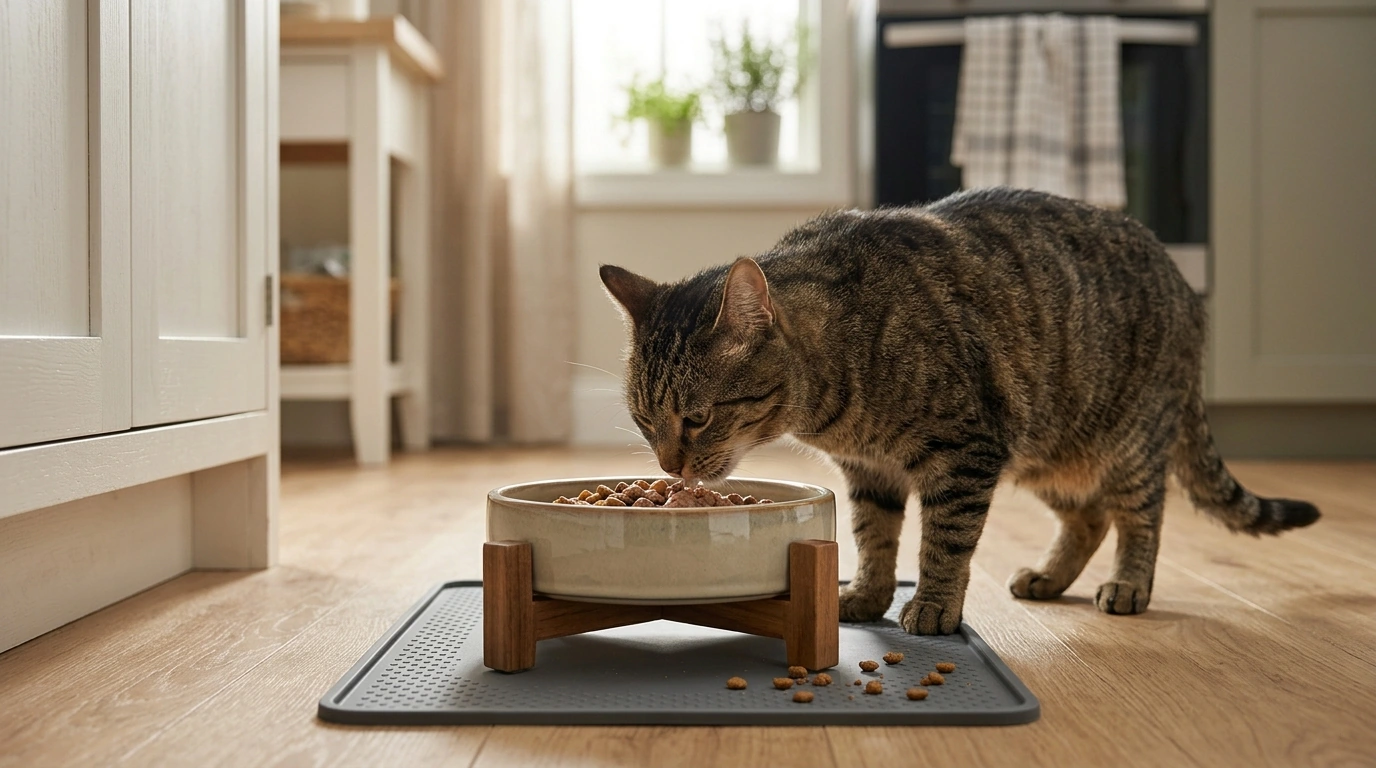
Ceramic Wide Cat Bowl with Stand: A Calm, Comfortable Setup for Everyday Meals
Mealtime should feel easy—for cats and for the people who clean up after them. A ceramic wide cat bowl with stand is a simple upgrade that supports a more comfortable eating posture, gives whiskers room to move, and keeps the feeding area looking tidy. Our team put together this guide to help you choose a setup that fits your cat’s habits (and your cleanup routine), with practical tips you can use right away.
What a wide bowl and raised stand change at mealtime
Small design differences can make daily feeding noticeably smoother—especially for cats that are sensitive, messy, or particular about how they eat.
- Wider eating surface: A broad bowl profile gives many cats more space around the rim, which can help sensitive cats that dislike their whiskers brushing the sides.
- More natural head and neck angle: A stand elevates the bowl so your cat doesn’t need to crouch as low to eat—often appreciated by seniors and cats that prefer a relaxed posture.
- A steadier station: A dedicated stand helps keep the bowl in a consistent place and can reduce sliding compared with a bowl placed directly on the floor.
- Cleaner routine: A stable feeding spot makes it easier to use a mat underneath, wipe the area, and keep crumbs contained.
Why ceramic is a practical everyday choice
Ceramic bowls have earned their place in many homes because they balance hygiene, stability, and “fits-the-room” looks without extra fuss.
- Non-porous surface when properly glazed: Ceramic is typically easy to wipe clean and doesn’t hold odors the way some worn plastics can.
- Weight and stability: Ceramic bowls tend to feel substantial, which can help prevent tipping during enthusiastic meals.
- Easy with both wet and dry food: Ceramic transitions well between textures and is simple to rinse between servings.
- Home-friendly look: A ceramic bowl and stand can blend into kitchens, dining nooks, and feeding corners without feeling like clutter.
| Material | What it does well | What to watch for |
|---|---|---|
| Ceramic (glazed) | Comfortable weight, easy to wipe, often more stable | Replace if chipped or cracked; check for smooth glaze |
| Stainless steel | Durable, non-porous, simple to sanitize | Can slide on smooth floors without a mat |
| Plastic | Lightweight, inexpensive | Can scratch over time; may hold odors; easier to tip |
Who benefits most from a wide raised cat bowl
Some cats will eat happily from almost anything; others communicate their preferences loudly—by pawing, nudging, or walking away mid-meal. A wide raised bowl setup can be especially helpful if you recognize any of these patterns:
- Cats that eat fast or push food around: A stable raised station can reduce “bowl chasing” and keep the feeding spot consistent.
- Whisker-sensitive cats: A wider profile can reduce rim contact and make meals feel less stressful for picky eaters.
- Senior cats and cats that seem stiff at ground level: A slightly elevated position may feel more comfortable than a deep crouch.
- Multi-cat homes: Matching raised stations can help reduce crowding, keep bowls in assigned places, and make the routine predictable.
- Cat parents who want a neater feeding area: Raised bowls pair well with placemats to catch crumbs and drips.
How to choose the right bowl height and width
Instead of aiming for a “perfect” measurement, focus on what your cat looks like while eating. The goal is a relaxed posture: standing naturally, shoulders comfortable, and a gentle neck angle—not a tight curl or a long stretch down to the floor.
| If the cat… | A wide bowl can help by… | A stand can help by… |
|---|---|---|
| Leaves food at the edges or seems bothered while eating | Reducing rim/side contact | Keeping the bowl steady and consistent |
| Eats in a tight crouch or looks uncomfortable bending down | Keeping food spread in an accessible layer | Bringing the meal closer to head height |
| Pushes the bowl across the floor | Providing a broader base for food access | Creating a more anchored feeding station |
Setting up a low-stress feeding station at home
For additional feeding guidance, you can also reference resources from Cornell University College of Veterinary Medicine, International Cat Care, and the American Veterinary Medical Association (AVMA).
Ceramic Wide Cat Bowl with Stand: product notes for everyday use
Our Ceramic Wide Cat Bowl with Stand is designed to keep mealtime simple: a wide ceramic eating surface paired with a stand for a more comfortable posture and a feeding area that looks intentional instead of improvised.
| Item | Value |
|---|---|
| Product | Ceramic Wide Cat Bowl with Stand |
| Price | 15.51 USD |
| Availability | In stock |
More from our store
- Understanding Attachment Theory for Parents – A Practical Parenting Guide (Digital Download)
- The Ultimate Employee Motivation Checklist (Printable PDF Download)
FAQ
Is a raised cat bowl better than a floor bowl?
Many cats do well with either, but a raised bowl can support a more relaxed eating posture and a more consistent feeding station. It’s often especially helpful for seniors or cats that seem uncomfortable crouching low.
Do wide bowls help with whisker sensitivity?
A wider, shallower eating surface can reduce how often whiskers brush the sides of the bowl. Common signs include hesitation at the bowl, pawing food out, or leaving food around the edges, though preferences vary by cat.
How should a ceramic cat bowl be cleaned and when should it be replaced?
Rinse after meals, wash regularly with mild dish soap, and dry thoroughly before the next use. Replace the bowl if you notice chips or cracks so bacteria can’t hide in damaged areas.













Leave a comment