-
Shop
- Advanced Technologies
- Beauty
- Best-Sellers
- Car Accessories
- Dating & Social Skills
- Digital Resources
- AI & Technology
- AI Skills
- Car Buying & Ownership
- Cozy Feast Collection
- Electronics & Technology
- Emotional Intelligence
- Financial Education
- Hobbies
- Home Styling & Organization
- Kitchen & Recipes
- Mindfulness
- Mindset
- Online Business
- Parenting & Child Development
- Pet Lifestyle & Wellness
- Positive Thinking
- Productivity
- Self Confidence
- Sleep Improvement
- Smart Life with AI
- Stress Management & Relaxation
- Travel Planning
- Yoga & Fitness
- Yoga & Mind-Body Practices
- Education & Learning
- Family & Parenting
- Fashion
- Fashion Accessories
- Furniture
- Gadgets
- Health & Beauty
- Health & Wellness
- Home & Garden
- Home Supplies
- Kids & Babies
- Kitchen
- Kitchen Best-Sellers
- Lighting
- Patio, Lawn & Garden
- Personal Growth
- Personal Style & Fashion
- Pet Care
- Pet Supplies
- Pets
- Sport & Outdoors
- Super Deals
- TikTok Growth & Monetization Mastery
- Travel
- Wealth
- Wealth Building
- Budgeting & Saving
- Cryptocurrency Investing
- Debt Management
- Entrepreneurship & Business Growth
- Family Finance & Budgeting
- Financial Independence
- Financial Mindset & Psychology
- Financial Planning
- Frugal Living & Expense Hacks
- Goal Setting
- High-Income Skills
- Investing Basics
- Leadership
- Motivation
- Networking & Mentorship
- Passive Income Strategies
- Real Estate Investing
- Side Hustles
- Stock Market Investing
- Wellness
- Popular
- Best deals
5.28 GPM Indoor Gas Tankless: 132,000 BTU Hot Water
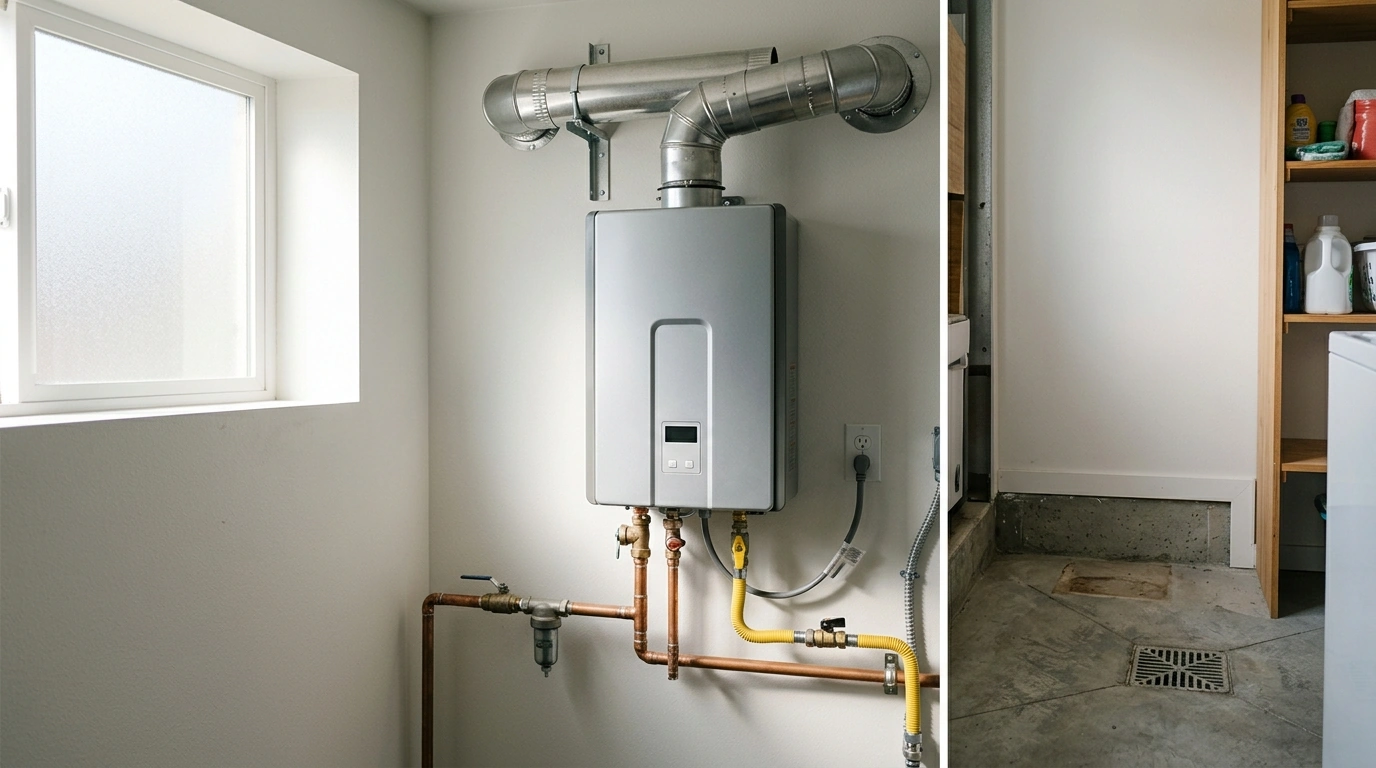
Instant Hot Water Without the “Tank Countdown”
A gas tankless water heater is built to heat water only when you need it—so you can keep showers going longer and reduce the standby heat loss that comes with keeping a full storage tank hot around the clock. This 5.28 GPM, 132,000 BTU indoor unit is designed for on-demand performance for showers, sinks, and appliances—especially when hot-water needs happen close together. The key is understanding how flow rate, temperature rise, and installation details work together so the heater delivers the comfort you’re expecting.
What “5.28 GPM” and “132,000 BTU” mean in everyday use
Tankless specs look simple, but they’re always tied to conditions. “5.28 GPM” (gallons per minute) is the maximum hot-water flow the unit can produce under specific testing assumptions. In real homes, the actual output changes with incoming water temperature (groundwater) and how hot you set the outlet temperature (your “temperature rise”).
BTU input refers to heating power. A 132,000 BTU gas burner can add heat quickly, which generally supports higher flow at a given temperature rise compared with lower-BTU models. However, colder incoming water requires a bigger temperature rise, which typically lowers the usable GPM. For simultaneous use—like a shower plus laundry—total fixture flow matters just as much as the heater’s maximum rating.
| Scenario | Approx. temperature rise needed | What to expect from a 5.28 GPM / 132,000 BTU indoor gas tankless |
|---|---|---|
| Warm incoming water (mild climate / summer) | 35–45°F (19–25°C) | Higher usable flow; more likely to support multiple fixtures at once |
| Moderate incoming water (most climates) | 50–60°F (28–33°C) | Often supports one to two major fixtures depending on showerhead flow rates |
| Cold incoming water (cold climate / winter) | 70–80°F (39–44°C) | Lower usable flow; may be best for one major fixture at a time or staggered use |
Who this indoor tankless heater fits best
A 5.28 GPM indoor gas tankless unit is a practical match for many everyday homes—especially where the goal is steady comfort rather than running several high-flow fixtures all at once.
- Apartments, condos, and small-to-mid homes where hot-water demand is consistent but not extreme across many simultaneous fixtures.
- Households prioritizing continuous hot water (no tank depletion) and better shower-to-shower recovery.
- Homes with limited mechanical-room space where a wall-mounted indoor unit is easier to place than a bulky storage tank.
- Retrofits where gas supply and venting can be upgraded to meet code and manufacturer requirements.
Indoor installation essentials to plan before buying
Indoor gas tankless installation is less about “swapping a box” and more about verifying the support systems around it. A few checks upfront can prevent nuisance shutdowns, temperature swings, and performance that feels weaker than the spec sheet suggests.
- Fuel type and gas line sizing: Gas tankless units can require higher instantaneous gas flow than tank heaters. Confirm line diameter, run length, and available gas pressure so the unit can reach full firing rate when demand spikes.
- Venting: Indoor units require approved venting materials and a correct termination location. Many installations use sealed combustion/direct vent or power-vent approaches depending on the model and layout—always follow the manual and local code.
- Combustion air and clearances: Plan for adequate combustion air, required service clearances, and safe spacing from combustibles. Indoor placement must be accessible for future maintenance.
- Condensate handling (if applicable): High-efficiency condensing designs produce condensate that needs drainage and may require a neutralizer depending on local requirements.
- Water quality: Hard water accelerates scale buildup. Isolation valves and service ports make flushing far easier, and filtration or softening can protect performance in high-hardness areas.
For a deeper look at how tankless systems operate and why conditions matter, the U.S. Department of Energy offers a clear overview: Tankless or Demand-Type Water Heaters. And because fuel-burning appliances can introduce carbon monoxide risk if venting or combustion air is wrong, review basic safety guidance from the U.S. Consumer Product Safety Commission.
Comfort and performance features to look for in daily operation
Day-to-day satisfaction usually comes down to temperature stability and how the heater behaves at low and variable flow rates.
Maintenance habits that protect flow rate and temperature stability
Product snapshot: 5.28 GPM Indoor Gas Tankless (132,000 BTU)
| Detail | Value |
|---|---|
| Model type | Gas tankless, indoor |
| Max flow | 5.28 GPM |
| Input | 132,000 BTU |
| Availability | In stock |
| Price | $626.99 USD |
5.28 GPM Gas Tankless Water Heater, Instant Hot Water with 132,000 BTU, Indoor
More in-stock items
- Understanding Attachment Theory for Parents – A Practical Parenting Guide (Digital Download)
- Versace Reversible Jacket with Iconic Barocco Pattern
FAQ
Will a 5.28 GPM indoor tankless heater run two showers at the same time?
It depends on each showerhead’s flow rate and the temperature rise needed in your climate. In warm or moderate incoming water conditions, two efficient showers may work; in colder incoming water, the usable GPM can drop and you may need to stagger use. Add up the fixture GPM you plan to run and compare it to expected output for your local temperature rise.
Does an indoor gas tankless water heater need special venting?
Yes. Indoor gas tankless units require venting type and materials that match the manufacturer’s requirements and local code, with proper termination location and clearances. Because venting and combustion air are safety-critical, professional installation is strongly recommended.
How often should a gas tankless water heater be descaled?
Descale based on water hardness and usage—commonly every 6–12 months in hard-water areas and less often where water is softer. Isolation valves make flushing much easier, and keeping scale under control helps maintain both temperature stability and flow.














Leave a comment