-
Shop
- Advanced Technologies
- Beauty
- Best-Sellers
- Car Accessories
- Dating & Social Skills
- Digital Resources
- AI & Technology
- AI Skills
- Car Buying & Ownership
- Cozy Feast Collection
- Electronics & Technology
- Emotional Intelligence
- Financial Education
- Hobbies
- Home Styling & Organization
- Kitchen & Recipes
- Mindfulness
- Mindset
- Online Business
- Parenting & Child Development
- Pet Lifestyle & Wellness
- Positive Thinking
- Productivity
- Self Confidence
- Sleep Improvement
- Smart Life with AI
- Stress Management & Relaxation
- Travel Planning
- Yoga & Fitness
- Yoga & Mind-Body Practices
- Education & Learning
- Family & Parenting
- Fashion
- Fashion Accessories
- Furniture
- Gadgets
- Health & Beauty
- Health & Wellness
- Home & Garden
- Home Supplies
- Kids & Babies
- Kitchen
- Kitchen Best-Sellers
- Lighting
- Patio, Lawn & Garden
- Personal Growth
- Personal Style & Fashion
- Pet Care
- Pet Supplies
- Pets
- Sport & Outdoors
- Super Deals
- TikTok Growth & Monetization Mastery
- Travel
- Wealth
- Wealth Building
- Budgeting & Saving
- Cryptocurrency Investing
- Debt Management
- Entrepreneurship & Business Growth
- Family Finance & Budgeting
- Financial Independence
- Financial Mindset & Psychology
- Financial Planning
- Frugal Living & Expense Hacks
- Goal Setting
- High-Income Skills
- Investing Basics
- Leadership
- Motivation
- Networking & Mentorship
- Passive Income Strategies
- Real Estate Investing
- Side Hustles
- Stock Market Investing
- Wellness
- Popular
- Best deals
Portable Baby Spoon & Fork Set: Steel Heads, Silicone Grip
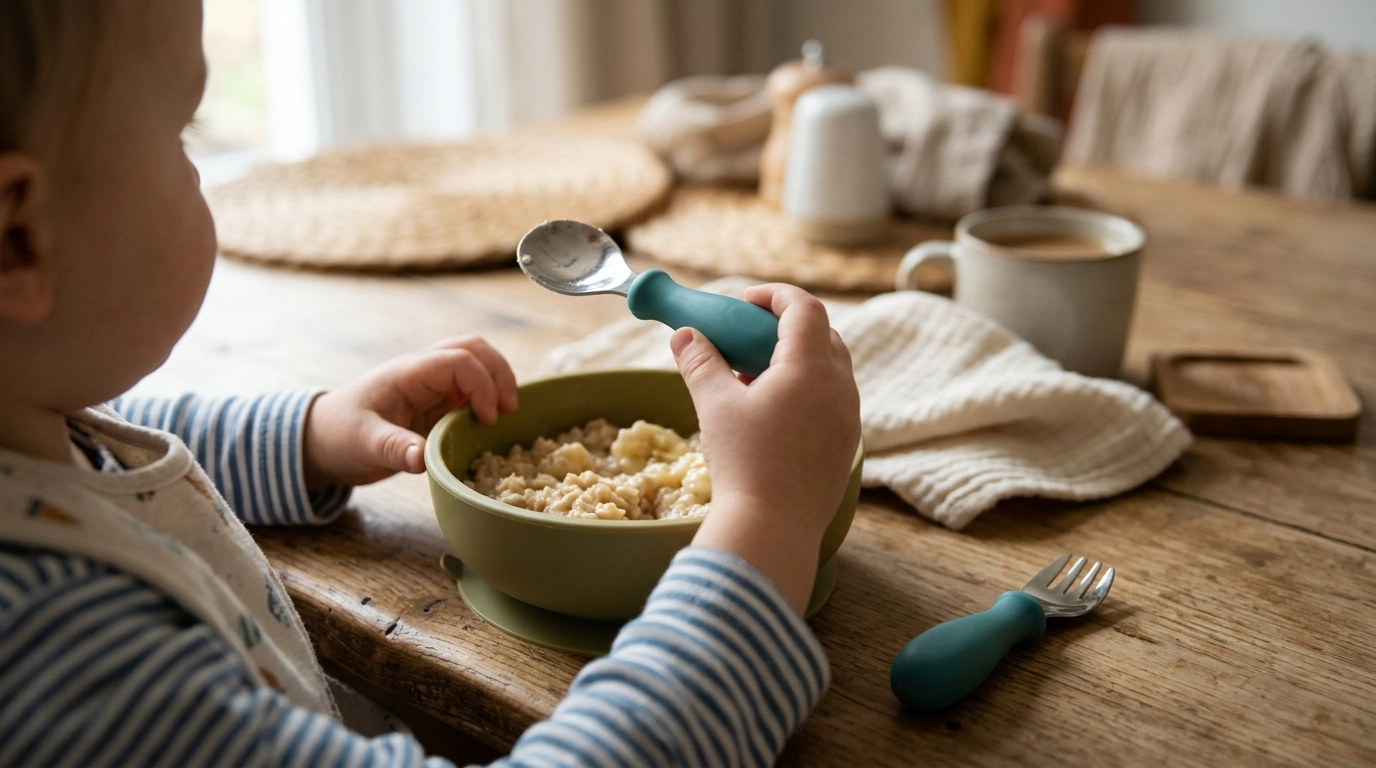
2PCS Baby Stainless Steel Silicone Spoon & Fork Set – Portable Training Utensils
Self-feeding is a major milestone, and the right utensils can make practice cleaner, safer, and less frustrating. This 2-piece spoon and fork set combines stainless steel heads with a silicone handle grip for a comfortable hold, plus a compact design that works well at home, daycare, and on the go. If you’re building a simple mealtime kit that supports growing independence, this set offers a practical balance of stability, grip, and everyday convenience.
What’s Included and Who It’s For
- Two-piece set: one spoon and one fork for everyday meals and practice sessions.
- Designed for babies and toddlers: helpful during the transition from purees to more textured foods.
- Made for real life: a portable option for travel, daycare bags, restaurants, and outings.
- Balanced for small hands: easy to start with hand-over-hand guidance, then gradually move toward independent use.
For families who prefer keeping a dedicated “training utensils” set in a diaper bag or lunch bag, a compact spoon-and-fork pairing helps maintain consistency across meals—often the difference between a confident try and a frustrated one.
Materials and Comfort: Stainless Steel Meets Silicone
- Stainless steel heads: support scooping and piercing soft foods with more stability than fully flexible utensils.
- Silicone handle area: improves grip and helps reduce slipping with wet hands or messy foods.
- Smoother cleanup: mixed-material utensils are often quick to rinse, especially during outings.
- Everyday durability: a sturdy head paired with a gentler grip can feel more “grown-up” while still being easy to hold.
As your child begins exploring solids, keeping mealtime routines safe and hygienic matters. For general feeding guidance and food-safety reminders, see the CDC’s Infant and Toddler Nutrition resources and the FDA’s baby food safety tips.
Why a Training Spoon and Fork Set Helps Build Skills
- Fine motor development: grasping, wrist rotation, and bringing food to the mouth.
- Coordination practice: aiming for the bowl/plate and controlling the utensil angle.
- Confidence with textures: supports exploration of thicker purees, mashed foods, and beginner finger foods.
- Consistent practice: using the same tools at breakfast, lunch, and snacks reinforces progress.
Many caregivers find that a reliable set reduces decision fatigue (“Which utensil should we pack?”) and makes it easier to keep expectations consistent—especially when multiple adults help with feeding.
Everyday Use: Purees, Soft Solids, and Toddler Meals
Spoon ideas
- Yogurt, oatmeal, mashed vegetables, applesauce, or thicker soups
- Nut butter thinned appropriately (as advised by your pediatrician) and mixed into oatmeal or yogurt
- Pre-loaded spoon practice for early learners to cut down on spills
Fork ideas (soft foods)
- Banana slices, steamed veggies, pasta, avocado chunks, and soft fruit
- Soft-cooked beans or flaky fish (prepared in age-appropriate sizes and textures)
- Small, manageable pieces to reduce frustration and improve success
Pairing utensils with suction bowls or plates can also make scooping easier by reducing sliding. For a helpful overview of when and how babies typically start solids, reference the American Academy of Pediatrics guidance on starting solid foods.
Quick Reference: Features and Practical Checks
Use this checklist to confirm fit for a child’s current stage and a caregiver’s preferences. In most homes, easy cleaning and safe handling matter more than novelty features.
| Item | What to Look For | Why It Matters |
|---|---|---|
| Spoon | Smooth edges and a bowl size that matches small bites | Helps reduce mess and supports comfortable mouth-feel |
| Fork | Tines appropriate for soft foods and beginner control | Encourages practice without excessive frustration |
| Handle grip | Non-slip silicone feel and an easy-to-hold shape | Supports steadier grasp for beginners |
| Portability | Compact set that fits a pouch or lunch bag | Makes consistent practice easier while traveling |
| Cleaning | Surfaces that rinse easily; follow care guidance | Saves time and keeps hygiene simple |
Safety Notes for Feeding Utensils
- Always supervise babies and toddlers during meals and snacks.
- Check utensils before each use for damage, cracks, or loosened parts; replace if compromised.
- Avoid letting a child walk or run with utensils to reduce injury risk.
- Use age-appropriate foods and textures; cut soft solids into manageable pieces.
- If a child has special feeding needs, consult a pediatrician or feeding specialist for personalized guidance.
Cleaning and Care for Daily Use and Travel
- Wash before first use and after every meal; pay extra attention to any seams between materials.
- Rinse promptly after sticky foods to prevent residue buildup while you’re away from home.
- Allow utensils to dry fully before packing into a travel pouch to reduce odor and moisture retention.
- Follow any seller-provided care instructions regarding dishwasher use and heat exposure.
Gift and Travel-Friendly Uses
In-Stock Picks to Build Your Mealtime Kit
- 2PCS Baby Stainless Steel Silicone Spoon & Fork Set – Portable Training Utensils ($18.51)
- Understanding Attachment Theory for Parents – A Practical Parenting Guide Explaining what attachment theory means for parents | Digital Download ($8.99)
FAQ
What age can a baby start using a spoon and fork for training?
Many babies begin spoon practice around 6 months when they show readiness for solids, while fork skills usually come later as coordination improves. Look for good head/neck control and interest in self-feeding, and always supervise; your pediatrician can help confirm what’s appropriate for your child.
Are stainless steel and silicone utensils safe for babies?
They can be a safe choice when surfaces are smooth, parts are intact, and the set is used as intended under supervision. Regularly inspect for damage or loosened components and follow the care instructions provided with the product.
How do you clean and store a portable baby utensil set when traveling?
Rinse after use when possible, then wash with warm soapy water and let the utensils dry fully. Store them in a clean pouch or container kept separate from used dishes or soiled items to help maintain hygiene.
Recommended for you



Modern Black Ceramic Soap Dispenser for Sink Styling
Sep 25, 2026













Leave a comment