-
Shop
- Advanced Technologies
- Beauty
- Best-Sellers
- Car Accessories
- Dating & Social Skills
- Digital Resources
- AI & Technology
- AI Skills
- Car Buying & Ownership
- Cozy Feast Collection
- Electronics & Technology
- Emotional Intelligence
- Financial Education
- Hobbies
- Home Styling & Organization
- Kitchen & Recipes
- Mindfulness
- Mindset
- Online Business
- Parenting & Child Development
- Pet Lifestyle & Wellness
- Positive Thinking
- Productivity
- Self Confidence
- Sleep Improvement
- Smart Life with AI
- Stress Management & Relaxation
- Travel Planning
- Yoga & Fitness
- Yoga & Mind-Body Practices
- Education & Learning
- Family & Parenting
- Fashion
- Fashion Accessories
- Furniture
- Gadgets
- Health & Beauty
- Health & Wellness
- Home & Garden
- Home Supplies
- Kids & Babies
- Kitchen
- Kitchen Best-Sellers
- Lighting
- Patio, Lawn & Garden
- Personal Growth
- Personal Style & Fashion
- Pet Care
- Pet Supplies
- Pets
- Sport & Outdoors
- Super Deals
- TikTok Growth & Monetization Mastery
- Travel
- Wealth
- Wealth Building
- Budgeting & Saving
- Cryptocurrency Investing
- Debt Management
- Entrepreneurship & Business Growth
- Family Finance & Budgeting
- Financial Independence
- Financial Mindset & Psychology
- Financial Planning
- Frugal Living & Expense Hacks
- Goal Setting
- High-Income Skills
- Investing Basics
- Leadership
- Motivation
- Networking & Mentorship
- Passive Income Strategies
- Real Estate Investing
- Side Hustles
- Stock Market Investing
- Wellness
- Popular
- Best deals
LLC for Online Businesses: When to Form One & Setup Steps

LLC for an Online Business: When It Helps, What It Changes, and How to Set It Up
Running a digital business can look simple on the surface, but the legal and financial setup behind it matters once revenue, clients, contractors, or risk increase. An LLC (limited liability company) is one of the most common “next-stage” moves for online entrepreneurs because it can tighten up liability boundaries, make finances cleaner, and create a more professional structure for contracts and platform accounts. Below is a practical breakdown of what an LLC changes, when it’s worth the effort, and how to set it up without getting lost in the weeds.
What an LLC does for a digital business
An LLC creates a separate legal entity for your online operation. That separation is the main point: when handled correctly, it helps draw a line between business obligations and personal assets.
- Personal liability protection: An LLC can help limit personal exposure if a dispute, debt, or claim arises from business activity.
- Cleaner finances: It encourages (and practically requires) dedicated bank accounts, consistent records, and business-only spending habits.
- Credibility and continuity: Using a company name on invoices, contracts, and vendor forms can reduce friction with clients and platforms.
- Tax flexibility: Many U.S. LLCs default to pass-through taxation, and some owners later consider elections (like S-corp taxation) when numbers justify the added complexity.
For U.S. context on business structures and how LLCs are treated for federal taxes, review the guidance from the U.S. Small Business Administration and the IRS.
Do you actually need an LLC? Practical triggers for online entrepreneurs
Many online businesses start as sole proprietorships because it’s fast and inexpensive. The LLC usually becomes more valuable when risk, volume, or operational complexity crosses a threshold.
- Client work with real liability: Marketing claims, deliverables, deadlines, data handling, or IP usage can create disputes if expectations aren’t documented.
- Selling digital products at scale: Chargebacks and refund disagreements become more common as volume grows.
- Hiring contractors or building a team: You’ll want clearer contracting, IP assignment language, and consistent payment tracking.
- Signing platform/vendor agreements: Ads, affiliate networks, software tools, or fulfillment partners may require business details and more formal paperwork.
- Consistent profit: Once income is steady, tax planning and bookkeeping discipline often matter more than keeping everything “simple.”
Common online business models and when an LLC becomes more valuable
| Business model | Typical risk level | LLC often becomes useful when | Key follow-up tasks |
|---|---|---|---|
| Freelance services (design, dev, consulting) | Medium | Client contracts grow, larger retainers, handling sensitive data | Contract templates, insurance, separate bank account |
| Digital products (downloads, templates) | Low–Medium | Higher volume sales and chargebacks, brand expansion | Clear terms/refunds, sales tax review, IP protection |
| Courses/coaching | Medium | Claims/expectations risk increases, larger audience | Disclaimers, terms, client intake, record retention |
| Affiliate/content business | Low | Revenue becomes steady, multiple income streams | Earnings tracking, platform agreements, tax setup |
| E-commerce/physical goods | Medium–High | Product liability/shipping disputes increase | Insurance, policies, vendor contracts |
LLC legal basics that affect online businesses
Online-first companies still rely on old-school legal fundamentals. Getting these right early can prevent expensive cleanup later.
- Name and branding: Check state name availability and reduce trademark conflict risk before you invest heavily in domains, logos, packaging, or a rebrand.
- Registered agent and official notices: States require a reliable contact for service of process and government correspondence. Privacy-minded founders often prefer a registered agent instead of listing a home address.
- Operating agreement: Even single-member LLCs benefit from written rules for ownership, profit distributions, decision-making, and “what happens if…” scenarios.
- Contracts and policies: Clear client agreements, terms of service, privacy policies, and refund policies reduce misunderstandings and support consistent enforcement.
- IP ownership: Make sure creations (design, code, copy, course materials) are owned by the business, and that contractors sign IP assignment and confidentiality terms.
If you do marketing or sell online, it’s also worth reviewing the FTC’s truth-in-advertising guidance to keep promotional claims and endorsements compliant.
Step-by-step setup path (high-level checklist)
Costs, taxes, and ongoing compliance (what to plan for)
AI tools for digital entrepreneurs (safe, practical workflows)
Common mistakes to avoid after forming an LLC
Recommended resources (digital downloads)
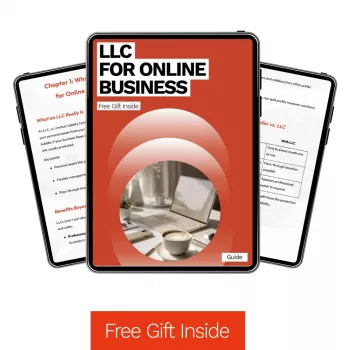
- LLC for Online Business Guide – Do I Need One? Step-by-Step Setup, Legal Basics & AI Tools for Digital Entrepreneurs
- The Ultimate Employee Motivation Checklist: Spark Your Team’s Drive in 7 Easy Steps! (Printable PDF Download)
A simple next-steps plan for the next 7 days
FAQ
Can an online business start as a sole proprietor and switch to an LLC later?
Yes. Many founders wait until revenue is consistent, risk increases, or they start hiring contractors. When switching, plan to update contracts, bank accounts, platform payout settings, and bookkeeping so the LLC is the entity doing business.
Does an LLC automatically protect personal assets in every situation?
No. Liability protection depends on proper separation, appropriate contracts, and responsible conduct. Mixing funds, signing personal guarantees, or treating the LLC like a personal wallet can weaken the protection, and insurance is still often important.
What documents should an online business have after forming an LLC?
Common essentials include an operating agreement, EIN confirmation (if applicable), business banking setup, client/service contracts, terms and refund policy, privacy policy, contractor agreements with IP assignment, and a compliance calendar for filings and deadlines.
Recommended for you


Forgive Yourself for Wasted Time: 5 Steps That Work
Sep 18, 2026













Leave a comment