-
Shop
- Advanced Technologies
- Beauty
- Best-Sellers
- Car Accessories
- Dating & Social Skills
- Digital Resources
- AI & Technology
- AI Skills
- Car Buying & Ownership
- Cozy Feast Collection
- Electronics & Technology
- Emotional Intelligence
- Financial Education
- Hobbies
- Home Styling & Organization
- Kitchen & Recipes
- Mindfulness
- Mindset
- Online Business
- Parenting & Child Development
- Pet Lifestyle & Wellness
- Positive Thinking
- Productivity
- Self Confidence
- Sleep Improvement
- Smart Life with AI
- Stress Management & Relaxation
- Travel Planning
- Yoga & Fitness
- Yoga & Mind-Body Practices
- Education & Learning
- Family & Parenting
- Fashion
- Fashion Accessories
- Furniture
- Gadgets
- Health & Beauty
- Health & Wellness
- Home & Garden
- Home Supplies
- Kids & Babies
- Kitchen
- Lighting
- Patio, Lawn & Garden
- Personal Growth
- Personal Style & Fashion
- Pet Care
- Pet Supplies
- Pets
- Sport & Outdoors
- Super Deals
- TikTok Growth & Monetization Mastery
- Travel
- Wealth
- Wealth Building
- Budgeting & Saving
- Cryptocurrency Investing
- Debt Management
- Entrepreneurship & Business Growth
- Family Finance & Budgeting
- Financial Independence
- Financial Mindset & Psychology
- Financial Planning
- Frugal Living & Expense Hacks
- Goal Setting
- High-Income Skills
- Investing Basics
- Leadership
- Motivation
- Networking & Mentorship
- Passive Income Strategies
- Real Estate Investing
- Side Hustles
- Stock Market Investing
- Wellness
- Popular
- Best deals
Winter Skin Care That Works: Barrier Routine + Checklist
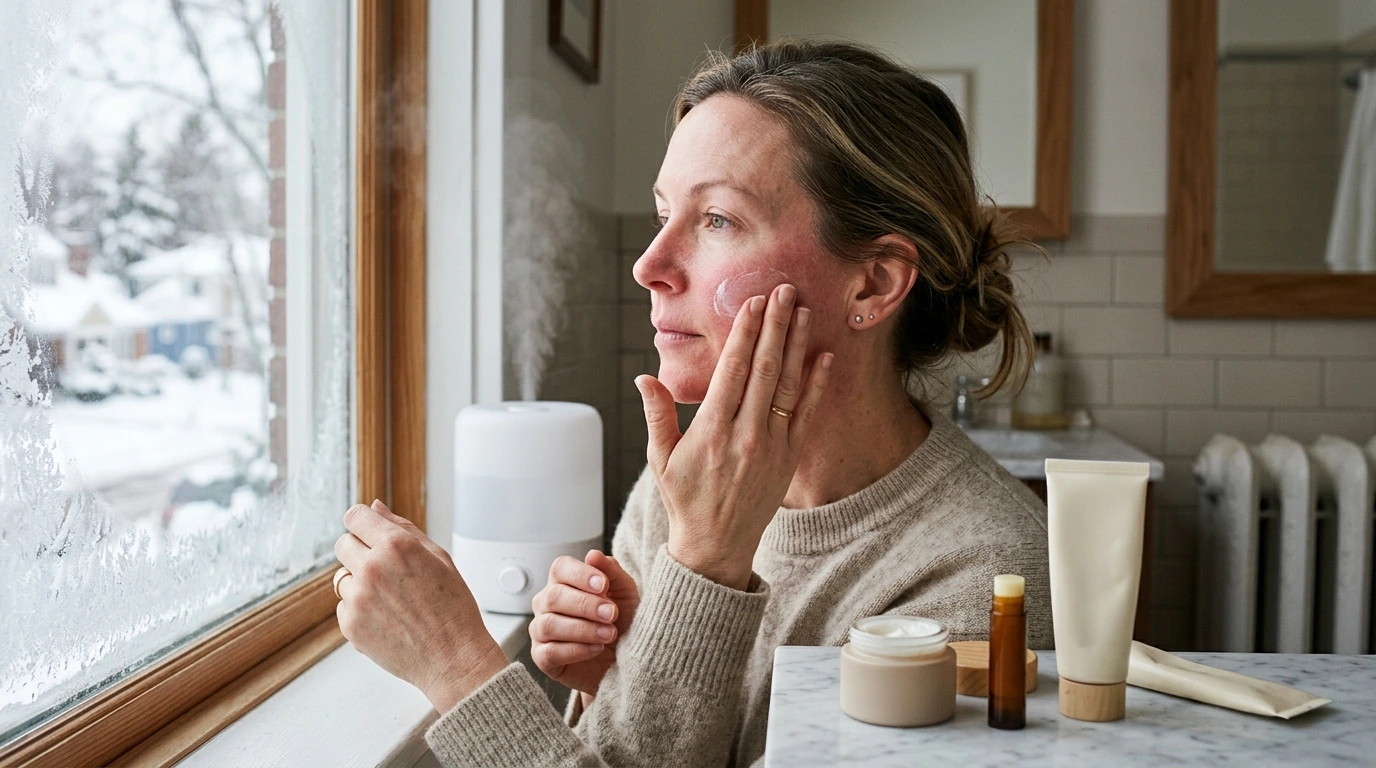
Winter Skin Care Strategies That Actually Work: Essential Guide & Checklist
Cold air, indoor heat, and low humidity can weaken the skin barrier and trigger dryness, irritation, and flare-ups. A winter routine that actually works focuses on protecting the barrier, reducing water loss, and making a few seasonal swaps that prevent problems before they start.
Why skin struggles in winter
Winter skin problems aren’t just “dryness”—they’re often a barrier issue caused by the environment and daily habits working against you.
- Low outdoor humidity and heated indoor air increase transepidermal water loss, leaving skin tight and rough.
- Hot showers and frequent handwashing strip lipids that normally seal in moisture.
- Wind and cold can cause redness and sensitivity, especially on cheeks, lips, and hands.
- Active ingredients that feel easy in summer (strong acids/retinoids) may become irritating without added barrier support.
If you’re dealing with persistent dryness, the American Academy of Dermatology’s dry-skin tips are a helpful reference for skin-friendly bathing and moisturizing habits.
Winter-proof the basics: barrier-first routine
A barrier-first routine is simple: cleanse without stripping, add water back to the skin, then lock it in with supportive lipids and (when needed) an occlusive layer.
- Cleanse gently: switch to a creamy, non-foaming cleanser or reduce morning cleansing to a rinse if skin feels stripped.
- Moisturize immediately after washing: apply within 1–3 minutes to trap water on the skin.
- Layer smartly: hydrating serum (glycerin/hyaluronic acid) → moisturizer (ceramides/fatty acids) → optional occlusive (petrolatum) on very dry areas.
- Use lukewarm water: keep showers shorter to reduce lipid loss.
- Prioritize consistency over complexity: a simple routine done daily outperforms a complicated routine done sporadically.
Ingredient swaps that help dryness without irritation
Winter is a good time to choose ingredients that support the barrier and calm reactivity, rather than pushing stronger exfoliation.
- Hydrators: glycerin, hyaluronic acid, panthenol, aloe; apply to slightly damp skin and seal with moisturizer.
- Barrier builders: ceramides, cholesterol, fatty acids, niacinamide (often well-tolerated and supportive in winter).
- Soothers: colloidal oatmeal, allantoin, centella asiatica for redness and itch-prone skin.
- Occlusives: petrolatum, dimethicone, squalane to reduce water loss; spot-apply to cheeks, around nose, and hands.
- Exfoliation: reduce frequency and strength; prefer gentle lactic acid or polyhydroxy acids if needed, and avoid over-scrubbing.
Morning routine (quick, protective, repeatable)
Think “minimum effective routine”: prevent moisture loss during the day and protect exposed skin from sun, wind, and friction.
- Cleanse lightly (or rinse) to avoid stripping.
- Apply a hydrating layer if skin feels tight.
- Use a barrier-focused moisturizer; go richer than summer if needed.
- Finish with broad-spectrum sunscreen daily; winter UV still contributes to damage, and snow can reflect UV.
- Protect exposed areas: lip balm with an occlusive base; hand cream after each wash.
For daily sun protection guidance, the American Academy of Dermatology’s sunscreen FAQs explain why year-round use matters.
Night routine (repair and reinforce)
Night is when you can lean into repair: gentler cleansing, richer moisturizers, and strategic use of treatments.
- Remove sunscreen/makeup with a gentle cleanser; double cleanse only if necessary and not drying.
- Use treatment products strategically: reduce retinoid or acid frequency if stinging or peeling starts.
- Apply a richer moisturizer than daytime; consider an occlusive layer on top for very dry patches.
- Don’t forget neck, hands, and cuticles; keep a bedside hand cream for consistency.
- If irritation persists, pause actives and focus on barrier repair for 7–14 days.
Body, lips, and hands: the winter hotspots
Most winter discomfort shows up where skin is thinner (lips), frequently washed (hands), or exposed to friction and dry air (shins and elbows).
If you’re prone to eczema, the National Eczema Association’s winter tips can help you adjust habits and products during flare-prone months.
Home and lifestyle adjustments that make products work better
If you want extra coverage on harsh days, a protective outer layer can reduce wind exposure—options like the Versace Reversible Jacket with Iconic Barocco Pattern can help keep skin-shielding layers (gloves, scarves, high collars) comfortably in place when you’re outdoors.
Checklist: one-page winter routine you can follow
| Area | Do this | How often | Notes |
|---|---|---|---|
| Face (AM) | Rinse or gentle cleanse + moisturizer + sunscreen | Daily | Go richer than summer if tightness appears |
| Face (PM) | Gentle cleanse + barrier cream; occlusive on dry patches | Daily | Pause irritating actives if stinging starts |
| Hands | Apply hand cream after washing | Every wash | Keep multiple tubes where you use sinks |
| Lips | Occlusive balm; reapply before going outdoors | Daily / as needed | Avoid licking; choose fragrance-free if sensitive |
| Body | Moisturize right after shower | Daily | Thicker cream on shins/elbows |
| Home | Run humidifier in bedroom | Most nights | Clean regularly to prevent buildup |
A printable guide to keep routines consistent
A structured checklist can reduce guesswork and make it easier to stay consistent through the driest weeks. If you prefer a ready-to-print format with clear AM/PM steps and quick troubleshooting, Winter Skin Care Strategies That Actually Work: Essential Winter Skin Care Guide & Checklist is a digital download you can keep on your phone, pin to a bathroom cabinet, or add to a planner.
FAQ
Should moisturizer go on wet or dry skin in winter?
Apply moisturizer to slightly damp skin soon after cleansing or bathing, then follow with a cream to seal it in. This helps trap water on the skin and reduces tightness.
Is sunscreen necessary in winter?
Yes. UV exposure continues year-round, and snow can reflect UV, increasing exposure on sunny days. Use a broad-spectrum sunscreen daily on exposed skin.
How can retinol be used without peeling in cold weather?
Reduce frequency, apply it over moisturizer (or sandwich it between moisturizer layers), and avoid combining it with strong acids on the same night. If burning, cracking, or persistent peeling starts, pause and focus on barrier repair.
Recommended for you



Quick-Dry Long Sleeve Workout Jumpsuit for Yoga
Sep 13, 2026













Leave a comment