-
Shop
- Advanced Technologies
- Beauty
- Best-Sellers
- Car Accessories
- Dating & Social Skills
- Digital Resources
- AI & Technology
- AI Skills
- Car Buying & Ownership
- Cozy Feast Collection
- Electronics & Technology
- Emotional Intelligence
- Financial Education
- Hobbies
- Home Styling & Organization
- Kitchen & Recipes
- Mindfulness
- Mindset
- Online Business
- Parenting & Child Development
- Pet Lifestyle & Wellness
- Positive Thinking
- Productivity
- Self Confidence
- Sleep Improvement
- Smart Life with AI
- Stress Management & Relaxation
- Travel Planning
- Yoga & Fitness
- Yoga & Mind-Body Practices
- Education & Learning
- Family & Parenting
- Fashion
- Fashion Accessories
- Furniture
- Gadgets
- Health & Beauty
- Health & Wellness
- Home & Garden
- Home Supplies
- Kids & Babies
- Kitchen
- Lighting
- Patio, Lawn & Garden
- Personal Growth
- Personal Style & Fashion
- Pet Care
- Pet Supplies
- Pets
- Sport & Outdoors
- Super Deals
- TikTok Growth & Monetization Mastery
- Travel
- Wealth
- Wealth Building
- Budgeting & Saving
- Cryptocurrency Investing
- Debt Management
- Entrepreneurship & Business Growth
- Family Finance & Budgeting
- Financial Independence
- Financial Mindset & Psychology
- Financial Planning
- Frugal Living & Expense Hacks
- Goal Setting
- High-Income Skills
- Investing Basics
- Leadership
- Motivation
- Networking & Mentorship
- Passive Income Strategies
- Real Estate Investing
- Side Hustles
- Stock Market Investing
- Wellness
- Popular
- Best deals
Break Phone Habits Gently: A 7-Day Reset Plan
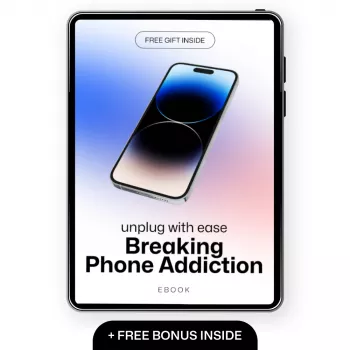
Unplug with Ease: A Gentle Path to Break Phone Habits and Reclaim Your Time
Constant scrolling can quietly drain attention, sleep, and the moments that make a day feel full. A lasting change doesn’t require harsh rules or guilt—just a calm, repeatable plan that reduces friction, reshapes cues, and makes offline time rewarding again. The goal isn’t to “beat” your phone; it’s to design days where reaching for it becomes a conscious choice rather than a reflex.
Recognizing when phone use stops being helpful
Phones are useful tools—until they become the default response to every pause. A few gentle signals often show up first: checking without a purpose, feeling restless when the phone isn’t nearby, losing track of time during “just a minute,” or reaching for the device the moment boredom or discomfort appears.
The hidden costs add up. Fragmented attention can make work feel harder than it needs to be, and constant switching can squeeze out deep, satisfying focus. Relationships can take on a thin, distracted tone when conversations compete with screens. Sleep is especially vulnerable—late-night brightness and stimulating content can make it harder to wind down (Harvard Health explains how blue light can affect sleep).
A helpful mindset shift: build a life that makes the phone less compelling. Instead of white-knuckling willpower, identify the cues that pull you in and create small alternatives that actually feel good.
Quick self-check: name the top three situations that trigger automatic use—bedtime, commuting, boredom, or stress are common starting points. Stress in particular can amplify compulsive checking; the American Psychological Association outlines how stress affects the body, which helps explain why quick “escape” habits feel so tempting.
Trigger-to-Alternative Map
| Trigger moment | What the phone promises | Offline alternative (2–5 minutes) | Make it easier by… |
|---|---|---|---|
| Waiting in line | Relief from boredom | Notice surroundings + 10 slow breaths | Keep phone in pocket; remove app shortcuts |
| Before sleep | Comfort and distraction | Paper book or light stretching | Charge phone outside bedroom; set a wind-down alarm |
| Stress spike | Numbing and escape | Short walk or cold water on hands | Use a sticky note reminder on the lock screen |
| Social awkwardness | A “safe” activity | Ask one simple question or observe silently | Keep phone in bag; disable lock-screen previews |
Start with a 7-day reset that doesn’t feel punishing
A short reset works best when it’s light, specific, and repeatable. Think of this as a “reduce the pull” week—small changes that create immediate relief without a dramatic detox.
- Day 1–2: Track patterns lightly. Note your top apps and when usage spikes. No judgment—just data.
- Day 3: Remove the biggest infinite-scroll temptation from your home screen. Keep it searchable so it’s still available, just less automatic.
- Day 4: Turn off non-essential notifications. Keep calls, texts from key contacts, and truly critical reminders.
- Day 5: Create two “phone-free islands.” For example: the first 30 minutes after waking, and the last 45 minutes before bed.
- Day 6: Add a replacement ritual during a high-trigger moment: tea break, short journal entry, quick tidy, or a 5-minute walk.
- Day 7: Review what felt easiest. Keep the one change that brought the most relief and repeat it for another week.
If stress is driving a lot of checking, it helps to pair the reset with a basic coping plan. The National Institute of Mental Health offers practical ideas for coping with stress that can support healthier routines.
Make the phone less sticky using simple environment design
Environment design is the quiet superpower of habit change. Instead of relying on constant self-control, make the “mindless path” slightly harder and the “intentional path” slightly easier.
Rebuild attention with small offline wins
Handle setbacks without spiraling back into old patterns
A gentle guide that makes consistency easier
If structure helps, a step-by-step plan can remove the guesswork and make it easier to follow through. Unplug with Ease: Breaking Phone Addiction – A Gentle Guide to Reclaiming Your Time is designed for sustainable change—without rigid detox rules—using prompts to spot triggers and build better routines.
Related resources you may also like
- The Ultimate Employee Motivation Checklist: Spark Your Team’s Drive in 7 Easy Steps! (Printable PDF) for building momentum and follow-through at work without constant digital distraction.
- Understanding Attachment Theory for Parents (Digital Download) if family dynamics and connection are part of the change you’re aiming for—especially during phone-free routines at home.
FAQ
How long does it take to break a phone habit?
Many people feel noticeable relief within a week by changing notifications and where the phone “lives,” but deeper habit rewiring usually takes several weeks. The fastest progress comes from repeating one specific alternative each time the same trigger shows up.
What are the easiest settings to change first?
Start by disabling non-essential notifications, removing social apps from the home screen, and turning on focus modes for work and rest. Turning off autoplay and charging the phone outside the bedroom are also high-impact, low-effort changes.
How can phone use be reduced without missing important messages?
Allow calls and texts from key contacts, use emergency bypass for a few people, and set scheduled check-in times for everything else. Let friends and family know when you’re typically available so expectations match your new routine.
Recommended for you

Save for a Vacation on a Tight Budget: Simple Plan
Sep 11, 2026
Auto-Empty Robot Vacuum (5000Pa): Setup, Tips & FAQs
Sep 12, 2026













Leave a comment