-
Shop
- Advanced Technologies
- Beauty
- Best-Sellers
- Car Accessories
- Dating & Social Skills
- Digital Resources
- AI & Technology
- AI Skills
- Car Buying & Ownership
- Cozy Feast Collection
- Electronics & Technology
- Emotional Intelligence
- Financial Education
- Hobbies
- Home Styling & Organization
- Kitchen & Recipes
- Mindfulness
- Mindset
- Online Business
- Parenting & Child Development
- Pet Lifestyle & Wellness
- Positive Thinking
- Productivity
- Self Confidence
- Sleep Improvement
- Smart Life with AI
- Stress Management & Relaxation
- Travel Planning
- Yoga & Fitness
- Yoga & Mind-Body Practices
- Education & Learning
- Family & Parenting
- Fashion
- Fashion Accessories
- Furniture
- Gadgets
- Health & Beauty
- Health & Wellness
- Home & Garden
- Home Supplies
- Kids & Babies
- Kitchen
- Kitchen Best-Sellers
- Lighting
- Patio, Lawn & Garden
- Personal Growth
- Personal Style & Fashion
- Pet Care
- Pet Supplies
- Pets
- Sport & Outdoors
- Super Deals
- TikTok Growth & Monetization Mastery
- Travel
- Wealth
- Wealth Building
- Budgeting & Saving
- Cryptocurrency Investing
- Debt Management
- Entrepreneurship & Business Growth
- Family Finance & Budgeting
- Financial Independence
- Financial Mindset & Psychology
- Financial Planning
- Frugal Living & Expense Hacks
- Goal Setting
- High-Income Skills
- Investing Basics
- Leadership
- Motivation
- Networking & Mentorship
- Passive Income Strategies
- Real Estate Investing
- Side Hustles
- Stock Market Investing
- Wellness
- Popular
- Best deals
Look Good, Spend Less: Chic Budget Wardrobe Habits
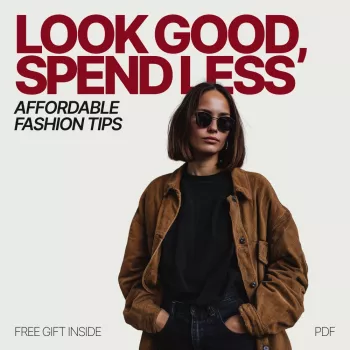
Look Good, Spend Less: Affordable Fashion Habits for a Chic Wardrobe on a Budget
Looking polished doesn’t require constant hauls or designer price tags. A chic wardrobe is usually the result of a few repeatable habits: buying less but better (for your life), styling what’s already owned in more ways, and shopping with a plan. Below is a practical, budget-friendly framework for building outfits that feel elevated—without the stress of overspending.
Start with a Style Snapshot (So Every Purchase Has a Job)
Before buying anything new, clarify what your closet is meant to do. When your wardrobe matches your actual routine, you stop paying for “maybe someday” pieces and start collecting reliable outfit-makers.
- Define 3–5 “real life” situations your outfits must cover (work, weekends, events, travel, gym).
- Choose a simple color direction: 2 neutrals + 2–3 accent colors that mix easily.
- List 5 outfit formulas that feel like “you” (straight-leg jeans + fitted tee + blazer; slip skirt + sweater; wide-leg trousers + tank + cardigan).
- Set a realistic monthly clothing budget and a “pause rule” (24–72 hours) before buying non-essentials.
- Identify your most-used silhouette and neckline to avoid buying pieces that never get worn.
Build a High-Impact Capsule: Fewer Pieces, More Outfits
A capsule doesn’t mean boring—it means repeatable. The goal is maximum combinations with minimum clutter, so getting dressed feels easy and intentional.
- Prioritize versatile foundations: great jeans or trousers, a neutral blazer, a layering knit, and shoes that match most outfits.
- Pick one signature element to repeat (a belt style, gold-toned jewelry, a structured bag, a specific shoe shape).
- Aim for a “3-way minimum”: only add items that can create at least three outfits with what you already own.
- Use a capsule test: plan 10 outfits before buying anything new; if it doesn’t fit the lineup, skip it.
- Keep statement items intentional: one standout coat, one dress, or one bold print can elevate basics for years.
Smart Shopping Rules That Cut Cost Without Looking “Cheap”
Affordable style is less about chasing the lowest price and more about choosing pieces that hold up visually—fit, fabric, and finish do most of the work.
- Shop categories strategically: pay a bit more for shoes, outerwear, and bags; save on trend items and basics that wear out quickly.
- Check fabric and finish: look for sturdy seams, lined skirts, dense knits, and buttons/zippers that feel secure.
- Use the “fit-first” filter: a tailored or well-fitting piece looks more expensive than a trendy one in the wrong size.
- Plan purchases around your calendar (seasonal transitions, upcoming events) instead of random sales.
- Compare price to purpose: buy the piece that solves the most outfit gaps, not the one that’s simply discounted.
Rising prices are a reality, so “smart” also means realistic. If you like tracking your spending, the U.S. Bureau of Labor Statistics CPI data is a useful reminder that getting more wear from what you own can be a powerful money move.
Cost-Per-Wear: The Fastest Way to Decide What’s Worth It
Cost-per-wear is the quickest way to separate “cheap” from “good value.” It also helps prevent closet orphans—items that looked great in the cart but don’t match your day-to-day.
- Estimate how many times an item will realistically be worn in the next 12 months (not the “fantasy closet” number).
- Divide price by wears to reveal true value—especially helpful for coats, boots, and workwear.
- Track “maintenance costs” too: dry cleaning, special storage, or frequent repairs can change the math.
- If two items compete, choose the one that works across more settings (day to night, casual to polished).
| Item | Price | Estimated wears (12 months) | Cost per wear | Decision |
|---|---|---|---|---|
| Neutral blazer | $90 | 30 | $3.00 | Buy/Keep |
| Trendy top | $28 | 6 | $4.67 | Skip unless needed |
| Everyday sneakers | $75 | 60 | $1.25 | Buy/Replace |
| Special-occasion dress | $110 | 3 | $36.67 | Rent/borrow instead |
Thrift, Resale, and Outlet: How to Find Gems (and Avoid Mistakes)
Secondhand shopping can be a shortcut to better materials for less money—if you go in with a plan and a quality checklist.
Make Basics Look Expensive With Simple Styling
If you want a single statement layer that does the most, consider investing in a standout jacket that transforms basics with minimal effort, such as the Versace Reversible Jacket with Iconic Barocco Pattern.
Care and Maintenance: The Hidden Budget Superpower
For a clear overview of what care labels mean (and why they matter), the Federal Trade Commission’s Care Labeling Rule is a helpful reference.
A Simple 7-Day Wardrobe Upgrade Plan
A Practical Guide to Keep the Momentum Going
- Use a repeatable checklist for every purchase: fits current life, matches your palette, works with 3 outfits, and feels comfortable.
- Keep a running list of wardrobe gaps and “stop buying” items to reduce regret spending.
- Treat style like a system: planning, shopping, styling, and care—small habits compound quickly.
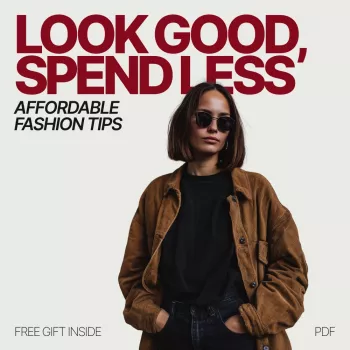
- For a step-by-step blueprint with actionable tips and wardrobe-building strategies, use Look Good, Spend Less – Affordable Fashion Tips eBook for Budget Style, Smart Shopping & Chic Wardrobe Building.
FAQ
How can a wardrobe look expensive on a tight budget?
Prioritize fit, stick to cohesive colors, keep shoes clean, and lean on simple accessories. Buying fewer versatile pieces and repeating outfit formulas makes everything look more intentional.
What are the best items to spend more on versus save on?
Spend more on shoes, outerwear, and bags because they’re high-visibility and tend to last longer. Save on fast-changing trends and basics you’ll replace often, using cost-per-wear to guide the decision.
Is thrifting better than buying new for building a capsule wardrobe?
Thrifting can be great for scoring higher-quality materials at lower prices, especially for coats, denim, and leather. It works best when you shop with a list, inspect carefully, and budget for simple tailoring.












Leave a comment